It’s hard to know what to say to children about the pain and suffering of others. It can be especially challenging for families when kids see images and videos of violence that impact their own community. Here are some ways you can help children process and cope with news about violence, crime, and war.
Seek connection and support with your community. Knowing they’re not alone and spending time with people who share similar experiences can help kids feel valued and accepted.
Explain the news to them in an age-appropriate way.Use this guide to help them understand what’s happening. Give them space to share their feelings and reactions.
Tell them they’re safe, and offer hope. Whether the violence is taking place near home or far away, it can be scary for kids. Reassure them that they’re not in immediate danger. Build on their resilience by balancing the scary news with stories of hope. You can also talk about meaningful and positive ways that your family can get involved to support a cause.
Encourage them to take breaks from screens. Like adults, older kids and teens may want frequent updates on breaking news. But constant exposure to negative news can take a toll on us. So while it’s important to stay informed, setting limits on how often kids see violent media coverage is best for their well-being.
Focus on what connects us all. When individuals and communities are victims of tragic events, hate speech can be an extra burden to bear. Kids may encounter cruel language and false information, on- and offline. They may see or hear things meant to harm groups of people based on their religion, ethnicity, sexual identity, gender, or race. Standing up against hate speech, questioning sensationalized news, and celebrating your family’s culture and the beauty of diversity are all ways to combat messages that are meant to divide us.
Create a self-care routine. Routines can be comforting and let kids feel more in control. Help them make time for relaxing activities during times of uncertainty. That can include reading, taking walks, journaling, listening to music, or anything else that grounds them.
Why This Course Matters Helping your kids develop resilience and independence is a challenge—especially when peer pressure enters the picture. This course is designed to give parents the tools to: • Raise strong, self-assured kids who can handle pressure with grace. • Support your child’s unique personality and interests without losing confidence. • Feel empowered to tackle common parenting challenges with guidance and ease.
Limited-Time Enrollment – Only $97 This special launch price is available now to help as many families as possible empower their child to withstand peer pressure. Ready to Build Confidence? Reserve Your Spot Today! [Enroll Now] Weekly videos and materials delivered via email to complete at your own pace!
Peer Pressure Playbook Course: Equip Your Kids with the Confidence to Stand Strong!
Peer pressure doesn’t just affect kids—it affects families. My Peer Pressure Course is designed for parents who want to help their children build inner strength, make independent decisions, and resist unhealthy influences. With expert guidance and real-world strategies, you’ll learn how to raise a child who confidently stays true to themselves. Let’s create a future of empowered, resilient kids together.
Proven Strategies from a Lifetime of Experience
You deserve expert guidance! With over 40 years in education, I’ve crafted this 5-week video course in bite-sized 30 minute lessons to help parents like you foster resilience in kids. Don’t miss this first-time offer at a special low cost—your child’s confidence is worth it!
This adulting thing can be hard, very hard. That’s true whether you’re raising a family or just yourself. In some cases, we were warned by our parents. For the most part, though, becoming an adult looked amazing, with little to no downside.
As a child, you saw your parents doing what you thought was whatever they liked. Little did you know that their efforts were driven by a desire for you to have the best possible life. While that was the case, all you saw were people who got to stay up late and make the rules.
Wouldn’t that be awesome when you were finally able to do it? It’s something you begin to look forward to … growing up.
Your parents and other grown-ups jumped into their cars whenever they wanted and drove anywhere. They could go shopping or to a restaurant. They always had money to buy things. You never had money and certainly weren’t able to drive a car.
That desire for adult-like independence was the reason you couldn’t wait to learn to ride a bicycle. You felt like a grown-up because you had a sense of being able to get up and go and explore. You could jump on your bike and take off! The end of the block, or “just down the road,” felt like it was a million miles away. This was, to you, your first taste of grown-up freedom.
Fast-forward a few years, and you’re leaving high school. You’ve heard as long as you remember that you can become whatever you want to become. You can’t wait to officially enter adulthood. It’s going to be so sweet! Then you get out on your own at 18 or 20, or 25 years of age. What are all these responsibilities? There’s so much to do. Where is all the freedom and independence you thought your parents had when you were a kid? Why is life so tough?
Then the truth of the situation hits you. This grown-up thing isn’t very fun, and being a kid definitely was.
Ask any grown-up if they have enough leisure time, and they’ll look at you like you’re speaking a language from another planet. Of course, they don’t have enough time to do what they want? Why ask such a crazy question?
There’s never enough time for fun and playful activities. Only the independently wealthy can truly enjoy their lives, spending as much time as possible doing what they want rather than what they have to do.
That’s the number one reason grown-ups will give you if you ask why they don’t spend more time on enjoyable activities. They’ll tell you their job, family responsibilities, social commitments, and other “have to do” activities keep them from having any downtime. They have to be serious 24/7. There simply isn’t any time for humor and fun, and play.
Then there’s the fact that adults constantly worry.
Kids don’t. A child just does what he does for the sake of doing it. He’s not too concerned about consequences. He chases a butterfly or goes out of his way to splash in a rain puddle just because. It’s fun. So he does it.
The Top 10 Fears That Hold Adults Back
What is it that adults worry about most of the time? According to Inc. Magazine, in a blog post titled “The Top 10 Fears That Hold People Back in Life, According to a Psychotherapist”, here’s what your adult mind is stressing over most of the time. (They are listed in no particular order.)
Change (Good or Bad)
Being Lonely
Failing
Being Rejected
Uncertainty
The Results Are Going to Be Bad
Being Hurt
Judgment
Feelings of Inadequacy
A Loss of Freedom
As an adult, you need to understand that change is inevitable. Sometimes it’s good, sometimes bad, but it is guaranteed to happen. Many changes are out of your control. Instead of worrying and fretting over change coming into your life and wreaking havoc, accept that it will appear and stop stressing about it.
If you worry about being lonely, guess what’s going to happen? We often create self-fulfilling prophecies. This means that concerning yourself with loneliness can lead to that reality. The fear of loneliness can also keep you in less than healthy relationships rather than going it alone.
Look, everyone hates failing. Sometimes we adults would rather simply not try because we’re scared of what will happen if we fail. This mindset will always fill you with stress and anxiety, which means less fun and happiness in your life.
Adults are constantly worried about being rejected in relationships and on the job. They don’t attempt new things or reach out to connect with others because they’re uncertain about what’s going to happen. The result could be bad.
Adults fear getting their feelings hurt, especially by loved ones. If they reach out to others for a little fun or just less seriousness, what if they’re judged poorly? They might feel inadequate to those around them.
Finally, adults are often fearful of a loss of freedom. Be careful that this doesn’t lead you into a bad situation. Someone who embraces freedom may avoid getting a steady job, which can lead to financial issues.
If these and other grown-up worries are constantly rolling around in your head, force yourself to take a break. Call your friends for a night out on the town. Take a walk, cycle with your BFF, or watch a funny movie.
Play, laugh, and smile like a child again. Enjoying the present moment without expectations can help remove yourself from these bothersome adult worries that can cause physical and mental stress.
You Probably Have More Free Time Than You Think You Do
By the way, the common excuse that adults don’t have much free time for playing around and goofing off might not be correct. Consider this.
NBC News reported in September of 2021 that the “… sweet spot for free time is about 3 or 3.5 hours per day.”
Life satisfaction was at its highest when people “had in the neighborhood of 2.5 hours of free time a day.”
[American Psychology Association – Having Too Little or Too Much Time Is Linked to Lower Subjective Well-Being – Sharif, Mogilner, Hershfield]
Adults will tell you they don’t have anywhere near that amount of free time. They might agree that they would have a much better life if they could enjoy their hobbies or other playful activities for a few hours each day. As it turns out, most adult Americans have more free time than they think they do (or will admit to having).
As reported by the Centers for Disease Control and Prevention (CDC), research from doctors Roland Sturm, Ph.D., and Deborah A Cohen, MD, reveals that you might have more leisure time than you realize. Here’s one big takeaway from that study.
“Americans averaged more than 5 hours of free time per day; no subgroup reported having less than 4.5 hours of free time per day.”
[Sturm R, Cohen, DA – Free Time and Physical Activity among Americans 15 Years or Older: Cross-Sectional Analysis of the American Time Use Survey]
No subset of the data had less than 4.5 hours of free time each day. This means people in their late teen years and twenties, thirties and forties, fifties, sixties, seventies, and older all had a minimum of 4.5 hours of leisure time.
CONCLUSION
Take an honest look at your life. How many 10 or 15 or 20-minute blocks of free time do you have? You don’t have to have fun in large doses. You can fill those small sections of your day with playtime and laughter rather than worry and stress.
We know that engaging in fun and enjoyable activities just for the sake of the activity itself, not for a specific result or achievement, is a great stress reliever. It can also put your life in perspective and help you learn not to take life too seriously all of the time.
It means that adults, including you, probably have a good bit of time to stop and smell the roses.
Prioritize play in your life. You never know when your number will be called, so why not have some fun? You know how good you feel when you laugh and smile. Schedule time for those activities that put a smile on your face. Hang out with that friend that makes you laugh.
Go out of your way to schedule more play and less seriousness. You can live a happier, healthier, and longer life. You can also find a lot more appreciation of your life, yourself, and the people in it.
Here’s to you smiling and laughing more and stressing out less.
Daily Confidence Boosters Checklist Goal: Help your child build confidence through daily, simple actions that promote self-awareness, self-expression, and resilience.
Encourage Self-Expression • How: Give your child a chance to express themselves creatively each day, whether through drawing, writing, dancing, or speaking up about their feelings. • Why: Self-expression is key to developing a strong sense of identity and confidence in their own voice.
Morning Affirmations • How: Encourage your child to start their day with a positive statement. They can say something like, “I am strong, I am kind, I can do hard things.” • Why: Affirmations set a positive tone for the day, helping children build a mindset of self-belief and optimism.
Small Wins Celebration • How: At the end of the day, ask your child to share one thing they accomplished, no matter how small (e.g., “I finished my homework on time” or “I was kind to my friend”). • Why: Recognizing small successes builds momentum, reinforcing the idea that progress happens one step at a time.
“Challenge of the Day” • How: Introduce a fun, simple challenge each morning. Examples include: “Try to help someone today” or “Try to ask a question when you don’t know something.” • Why: Overcoming small challenges teaches children resilience and encourages problem-solving skills.
Body Language Power Pose • How: Teach your child to stand in a “power pose” for a few seconds each day—legs apart, hands on hips, standing tall. Do this before school or big events (like tests or presentations). • Why: Body language can have a huge impact on confidence. This quick physical exercise helps them feel strong and capable.
Kindness Check • How: Ask your child, “What kind thing did you do for someone else today?” or “How were you kind to yourself today?” • Why: Acts of kindness, whether for others or themselves, build emotional strength and empathy, both of which are essential to self-confidence.
“I’m Grateful For…” Journal • How: Encourage your child to write down one thing they are grateful for each day, even if it’s just something small. • Why: Focusing on gratitude helps shift their mindset away from what’s missing and towards what’s already good in their life, promoting a positive, resilient outlook.
Compliment Swap • How: Make it a daily habit to share compliments with each other as a family. You can go around the dinner table and say one nice thing about someone. • Why: Giving and receiving compliments helps children recognize their own strengths and the strengths of others.
Try Something New • How: Ask your child to try something new every day, even if it’s small, like trying a new food or solving a different type of puzzle. • Why: Trying new things helps them get comfortable with taking risks, learning, and expanding their comfort zone—all crucial for building confidence.
“Bounce Back” Reflection • How: At the end of the day, reflect with your child on something that didn’t go as planned. Discuss how they handled it and what they learned. • Why: This teaches children that setbacks are part of life and provides a chance to learn resilience and perseverance.
How to Use This Checklist:
• Age-Appropriate: Tailor these activities based on your child’s age and personality. • Consistency is Key: Pick a few of these to try each day, and be consistent over time. Little habits build big confidence! • Reflection Together: Spend a few minutes talking with your child about how they felt after each activity to deepen the experience.
SUBSCRIBE TO THIS BLOG TO“Join a Community That Builds Strong, Happy Families.”
This is the first in a series of articles dedicated to helping parents raise happy, confident and successful children.
5 tips to help tweens and teens resist peer pressure.
Talking to children about resisting peer pressure is crucial for helping them develop strong self-esteem and decision-making skills. Here are five tips that can guide parents in these important conversations:
1.Foster Open Communication:
Create an environment where your child feels comfortable sharing their feelings and experiences with you. Start conversations about their day, their friends, and any concerns they have. Encourage them to express themselves freely without fear of judgment. This open line of communication can make it easier for them to come to you when they’re facing peer pressure.
2.Role-Play Scenarios:
Help your child prepare for potential peer pressure situations through role-playing. Discuss different scenarios they might encounter, such as being offered drugs, being encouraged to skip class, or facing pressure to bully someone. Practice how they can respond assertively. For example, they can learn to say “No, thanks, I’m not interested” or “I’d rather not do that, let’s do something else instead.” This rehearsal can make them feel more confident in real situations.
3.Discuss the Importance of Individuality:
Emphasize the value of being true to oneself. Talk about the importance of having personal values and sticking to them, even when it’s hard. Share stories of people, possibly even from your own life, who stood up for what they believed in. Highlight how respecting their own feelings and thoughts above others’ expectations is a sign of strength and maturity.
4.Teach Critical Thinking Skills:
Encourage your child to think critically about the motives behind peer pressure and the potential consequences of giving in. Ask them questions like, “Why do you think they’re pressuring you to do this?” and “What could happen if you follow along?” This can help them assess situations more effectively and make decisions that are in their best interest.
5.Build Their Self-Esteem:
Children with high self-esteem are more likely to resist peer pressure because they value their own opinions over fitting in with the crowd. Celebrate their achievements, encourage their interests, and support them through challenges. Make sure they know they’re loved and valued for who they are, not for conforming to what others think they should be.
Remember, resisting peer pressure is a skill that needs to be nurtured over time. By using these tips, you can equip your child with the tools they need to stand up for themselves and make choices that are right for them.
Have you experienced decision fatigue? I’m sure you have, you may just not have had a word for it. It’s that feeling when you get toward the end of a busy and even stressful day, and you simply can’t make another decision. You can’t figure out what you should cook for dinner, and even the idea of picking something to watch on Netflix seems like a chore. Those are the days you’ve been suffering from decision fatigue.
We all experience them, and the more taxing your job is, and the more you’re required to make decisions throughout the day, the more you find yourself suffering from decision fatigue. That shouldn’t come as a big surprise. When we spend all day walking or running around, we feel tired in the evening and our muscles fatigue. If you’ve ever participated in any endurance sports event (or gone for a long run after a period of inactivity), you’ve experienced muscle fatigue. Why shouldn’t we experience the same when we tax our mind with lots of decision making?
Not only does decision fatigue impair our ability to make decisions altogether, but it also affects the quality of our decision making and our willpower. In short, after a long day of making good choice after good choice, we tend to start making bad ones. There’s a reason we see a lot of “Made for TV” products and infomercials on TV late at night and it isn’t just because of the cheaper advertising rates. It’s because that’s the time of day we’re most prone to making impulse purchases. It’s also when we give up on our diets and healthy eating intentions.
Keep this idea of decision fatigue in mind when you try to get a few last minute tasks done at the end of a long day. That may not be the best time for important choices or tasks that require well thought out responses or clear decision making.
Similarly, you should expect your team members, coworkers, bosses, and loved ones to experience the same. Asking your boss for a raise right before quitting time on Friday may not be a good idea. Your chances of getting a yes significantly increase if you wait until first thing Monday morning. Don’t expect your family to make healthy dinner and snack choices in the evening. Instead, plan your meals early on in the day and have them figured out well before lunchtime.
Important Lesson #1 – Don’t tackle important or difficult decisions late in the day, particularly if you’ve made a lot of decisions in the hours leading up to it already.
Now that we’ve established that there is such a thing as decision fatigue, we’ll investigate some things we can do to void it. The answer is simple. We need to find a way to reduce the number of decisions we make on a daily basis. Here are some simple ideas for cutting some of them from our lives.
Use Habits and Routines To Your Advantage
Let’s start with something you already know how to do. You may just not realize it. That’s creating routines and habits to cut back on the decisions you have to make. You don’t have to decide to brush your teeth every morning or talk yourself into deciding to go to work today. Instead, it’s a habit and something you do without having to think about, and more importantly without having to waste one of your precious and limited decisions.
As you go about your day and make decisions, particularly if they are decisions that you make on a regular basis, stop yourself and see if there’s a way you can turn that decision into a habit or routine.
Instead of spending the first minutes of your day figuring out what you should wear, create a simple uniform for yourself. Find a few pairs of similar pants and a couple of mix-and-match tops. Rotate through those outfits, so you always know what to wear on a given morning.
If there is a recurring task at work, you should schedule to do it first thing in the morning or right before you head to lunch. That gets it out of the way without having to decide when to take care of it.
Plan Ahead
Another great solution is to batch your decisions and plan ahead. Let’s use your food choices as an example. We all eat, and we make quite a few daily decisions about what to eat. You can cut those out of your daily routine by creating a weekly or monthly meal plan. Start with dinner. Sit down and come up with your dinner ideas for the week. Write them down and post them on the fridge door. When you go grocery shopping be sure to pick up everything you need. That way you don’t have to agonize about what to fix for dinner when you get home after a long day at the office. From there, expand and include breakfast and lunch plans as well. You can even choose a daily snack for yourself. For bonus points, create a couple of these menus and start rotating through them week after week. Once you’ve made your original meal plans, there’s no more decision making involved.
You can easily adapt this principle to other areas of your life and work. Sit down and make out a to-do list first thing in the morning or before you head home in the afternoon. You can batch a whole bunch of decisions together and have a game plan for your workday. Think about other ways to incorporate this into your life and cut back on the decisions you make.
Delegate And Cut Down Choices
Last but not least, start reducing the choices you have to make altogether. Not every decision has to be made by you. If you’re working in a team or have people under you, don’t be afraid to delegate. Yes, in the beginning, it’s a little extra work to explain what needs to happen and what’s involved. But as you start to delegate and give these people more and more responsibility, your decision making tasks will be considerably cut back. That allows you to focus on the critical stuff.
Another great strategy is to simply cut down on the number of choices you give yourself (and others). Get in the habit of trimming the list before you even attempt to choose.
These tips may seem like little things, but they will quickly add up. It doesn’t take a lot of decision cutting back to notice a big difference in when and how hard decision fatigue hits. Give it a try.
I thought we should end on a high note. The good news is that your decision-making abilities replenish and they do so regularly. In the last section of this short report, we’re going to go over the various ways we can encourage that replenishment and when and how it happens naturally.
In general, your decision-making ability replenishes with rest and with relaxation. Since we’re getting less and less of that in these busy times, it’s no wonder decision fatigue is becoming a big issue.
Decision-Making Ability Replenishes Overnight
Don’t panic when you find yourself unable to make another decision at the end of a long day. Sleeping replenishes your ability to make smart choices overnight. You’ll be back to a clear head and able to make important decisions in the morning. Use this to your advantage. If you feel decision fatigue is setting in you should rein things in for the rest of the day. Don’t schedule important meetings in the evening and use your mornings wisely.
Sometimes It Pays To Take A Mental Health Day
We all get busy, and we all get stressed out from time to time. When a good nights sleep doesn’t seem quite enough to bring your decision making batteries back to full strength, it may be a good idea to take the day off.
Do something fun, relax, destress, and most importantly make as few decisions as possible and certainly no important decisions. You’ll come back refreshed and ready to go.
Go Outside And Get Some Air
Sometimes taking the day off or waiting for the following morning isn’t an option. An important decision is expected from you before you leave the office, or within the next hour or so. If you’re feeling decision fatigue is setting in when a decision is needed there are two things I want you to remember. The first is that all other decisions can wait. Focus on making just the one more that can’t wait.
Go outside, get some air, and clear your head before you make your choice. While this won’t work as well as sleep or a day off, it may be just enough to give you that little boost of energy and willpower you need to make the right decision.
It May Be Time For A Vacation
Last but not least, let’s talk about taking a few days off and going on vacation. You know from experience how invigorating and restful a trip can be. Take advantage of this and come back ready to make those important decisions about the future of your company, your family, or what projects you want to tackle during the next quarter.
Above all remember to use your decision-making skills wisely and learn to recognize decision fatigue before it leads you to make a bad choice.
SUBSCRIBE TO THIS BLOG FOR TIPS ON HOW TO FIND RESOURCES TO LIVE A MORE FULFILLING LIFE FOR YOU AND YOUR FAMILY.
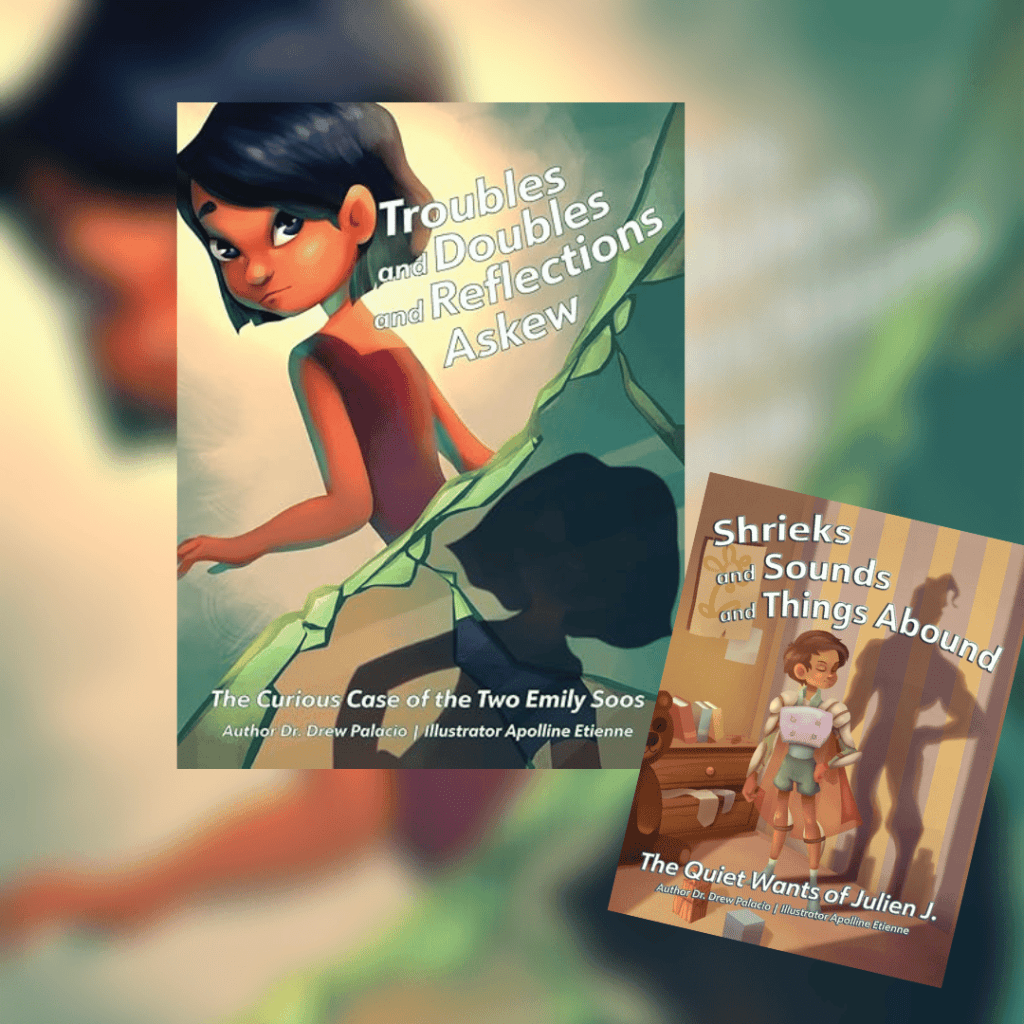
Publisher: Brandylane Publishers, Inc. | ISBN-13: 9781958754368
Publisher’s Book Summary: With a sigh, she went pacing before a large mirror that stood,
Remarking: “Ugh! I’m hideous! None of this looks very good!”
After struggling to find the perfect outfit, Emily Soo dances the night away at a fun party. But when she gets home, her inner voice Emily Two tries to put a damper on her evening.
Confronting our thoughts, fully facing tough emotions, and affirming ourselves can be difficult.
Can Emily Soo find it within herself to squash her Worry and Woe?
Drew Palacio grew up in Mendocino County, California. He received his doctorate in clinical psychology from the American School of Professional Psychology in San Francisco and currently practices in Kansas. Clinically, he implores partnership and efforts from local families, schools, and the community. Lastly, Dr. Drew is himself a child a heart, using his love of magic and worldly mystery, whether via comic books, animation, video games, or through the passing daydream, to always stoke his inspiration.
MY REVIEW OF THIS BOOK:
What a wonderful resource for children in upper elementary grades, middle schools and even young adults! Palacio reminds us not to listen to that nagging inner voice that tries to pull us into negativity. In this beautifully written rhyming story, Emily Soo has spent much time choosing her outfit and then enjoying a night out dancing. But when she returns home, that nagging voice in her head tries to tear her positive image down. Children need to learn we are all unique and special. Rather than paying attention to negative self talk, we need to develop affirmations to remind ourselves to stay positive. Palacio provides the tools to put us on the right path to form a healthy life-long habit of self-esteem and healthy lifestyle.
As an educator, I highly recommend classroom teachers and school counselors add this book to their library.
GIVEAWAY
Enter for the chance to win a personalized hardcover copy of Troubles and Doubles and Reflections Askew: The Curious Case of the Two Emily Soos and Shrieks and Sounds and Things Abound: The Quiet Wants of Julien J.
Twelve (12) winners receive:
-A personalized, signed copy of Troubles and Doubles and Reflections Askew: The Curious Case of the Two Emily Soos
–A personalized, signed copy of Shrieks and Sounds and Things Abound: The Quiet Wants of Julien J.
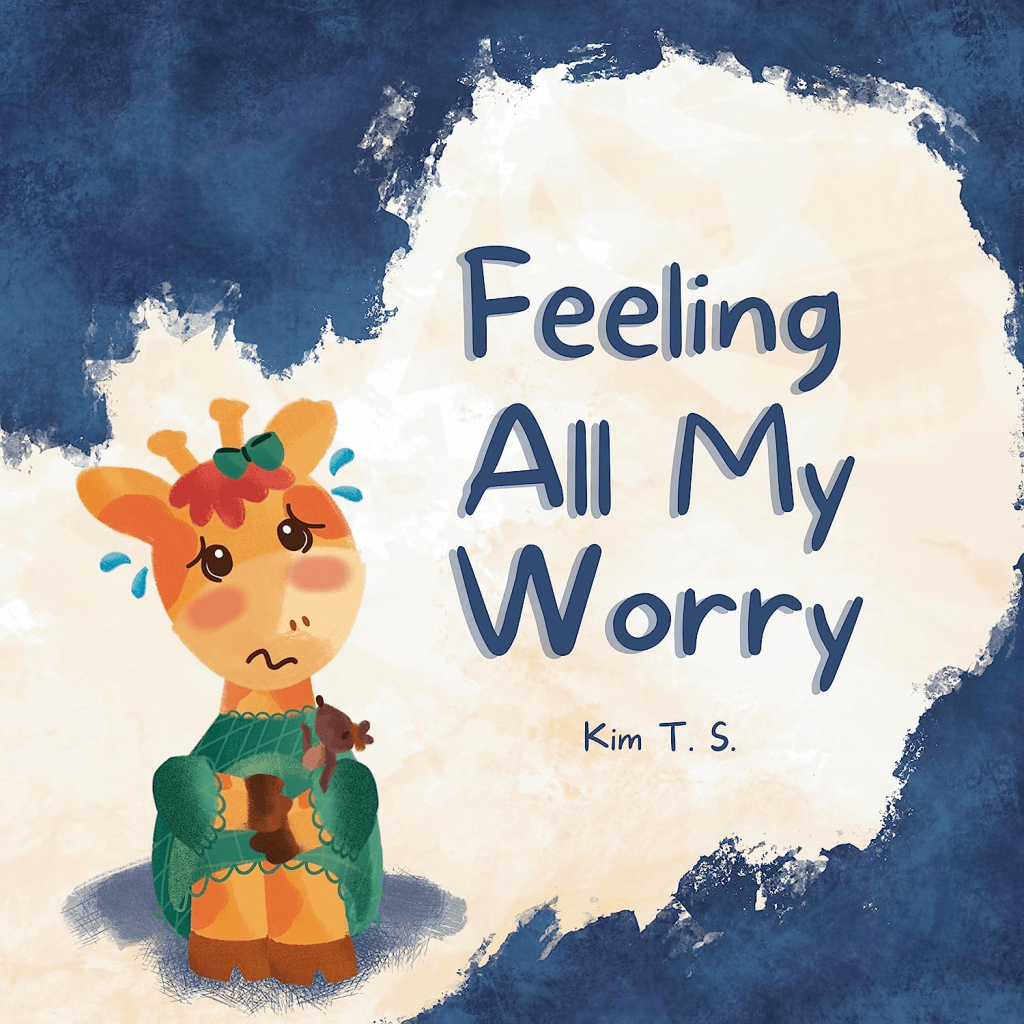
A beautifully illustrated picture book that explains the emotion of worry to even the youngest child.
The author covers the nature of worry, reassures children that it is a common occurrence, and presents examples of situations in which a young child might be afflicted with worrying. It instills a feeling of self-confidence and urges children to either take action or seek advice from an adult when facing the problem.
SUBSCRIBE TO THIS BLOG TO GET NEW BOOK REVIEWS EVERY WEDNESDAY AND SUNDAY.
Little Nimbus the pup generally spends his days looking out the window imagining the possibilities of the world outside while his human family goes to work and school.
One day that suddenly changes. The children stay home and become listless while mom frantically works from home while struggling to manage the household tasks. Why doesn’t anyone go out?
Nimbus resolves to cheer them up. At first, he doesn’t succeed. Then he comes up with a brilliant idea!
The author does not mention Covid specifically but alludes to doctors recommending to stay home to remain healthy.
This illustrated, rhyming, picture book could serve as an opener to a discussion for families and students to talk about the mental health issues brought about by the pandemic. Highly recommended for children ages five and up.
SUBSCRIBE TO THIS BLOG FOR NEW BOOK REVIEWS EVERY WEDNESDAY AND SUNDAY.
The Change Guidebook: How to Align Your Heart, Truths, and Energy to Find Success in All Areas of Your Life
Written by Elizabeth Hamilton-Guarino
Most people would agree we would like to become the best we can be, but how many of us, are willing to put in the effort to achieve that lofty goal?
Guarino has made it possible by providing a simple framework to make it possible for us to grow and change as we move through life. She provides ten points of change in three phrases to help the reader become happier.
These three phases align our heart, our truths, and finally our energy. As one discovers herself, she must act. Guarino provides assessments that help us to think, write, talk, and finally, act. The reader learns to create power phrases and then complete exercises to practice implementing those actions. Practical suggestions help us manage our time and energy. For those who enjoy a challenge, a discussion quiz allows a way to gain certification in completion of the course in recognition of the arduous work and progress made on the path to change and true happiness.
Take the first step to becoming a better you.
Subscribe to my newsletter to get useful tips for your family

 November 11, 2025
 bamauthor
 Comments Off on THE WORLD CAN BE A SCARY PLACE









 Barbara Ann Mojica's BLOG
You must be logged in to post a comment.