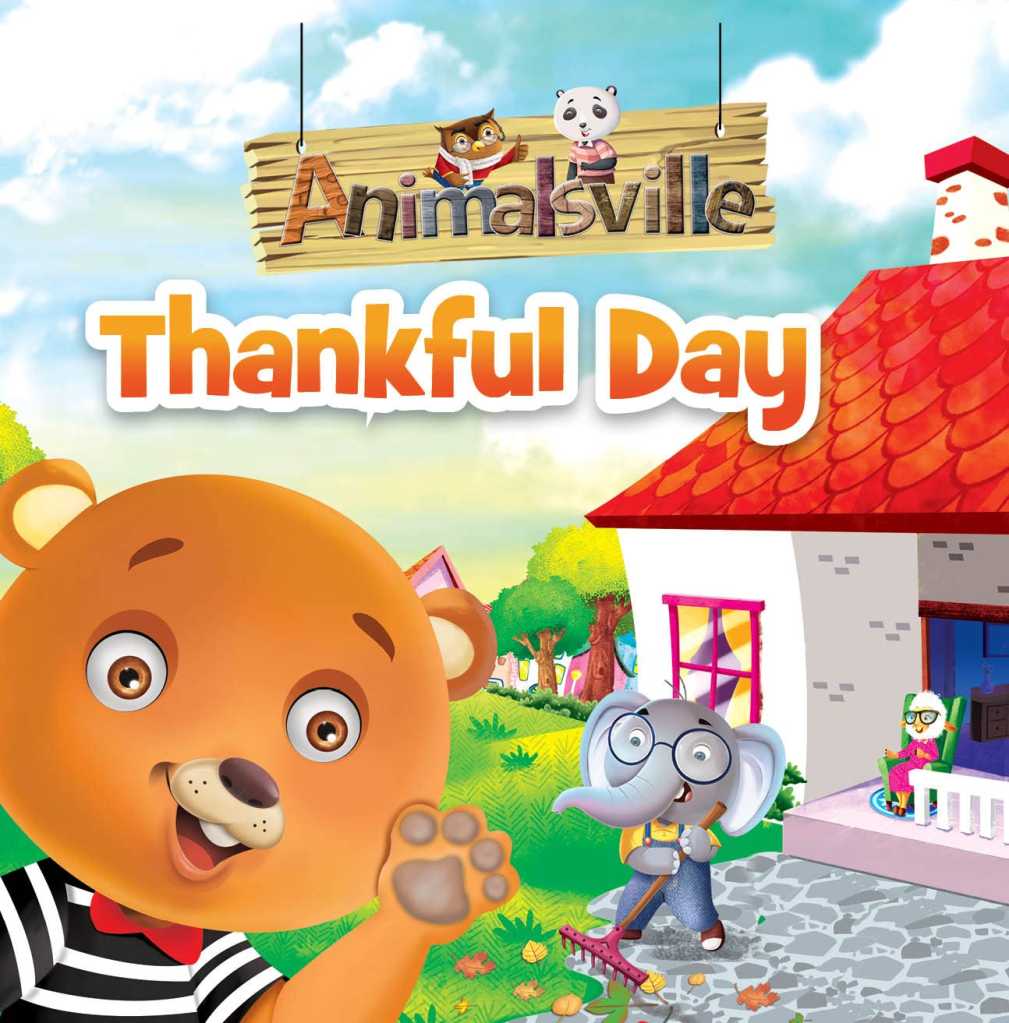
Thankful Day In Animalsville: Thanksgiving Story About Being Thankful And Showing Kindness to Others By Serving The Community
Written by Virtuous Nyamesem Cornwall
This book is a beautiful and effective way to explain the meaning of giving thanks and putting the message into action. It is particularly effective for young children.
Using animals as the main characters, the author explains that the town has decided to express gratitude on Thanksgiving Day by doing kind things for others. Thinking as a community, each family decides on a way to help someone outside their own family. Then the families of Animalsville present the action steps. Examples include visiting a food pantry, cleaning up trash, visiting a nursing home, assisting the homeless, and cleaning house for the elderly.
At the end of the book, young readers receive a list of suggestions to practice their own action steps of gratitude in their own communities.
Highly recommended for parents and teachers of children from ages five and older to teach the values kindness, respect, gratitude, and civics.
SUBSCRIBE TO THIS BLOG FOR NEW BOOK REVIEWS EVERY WEDNESDAY AND SUNDAY.
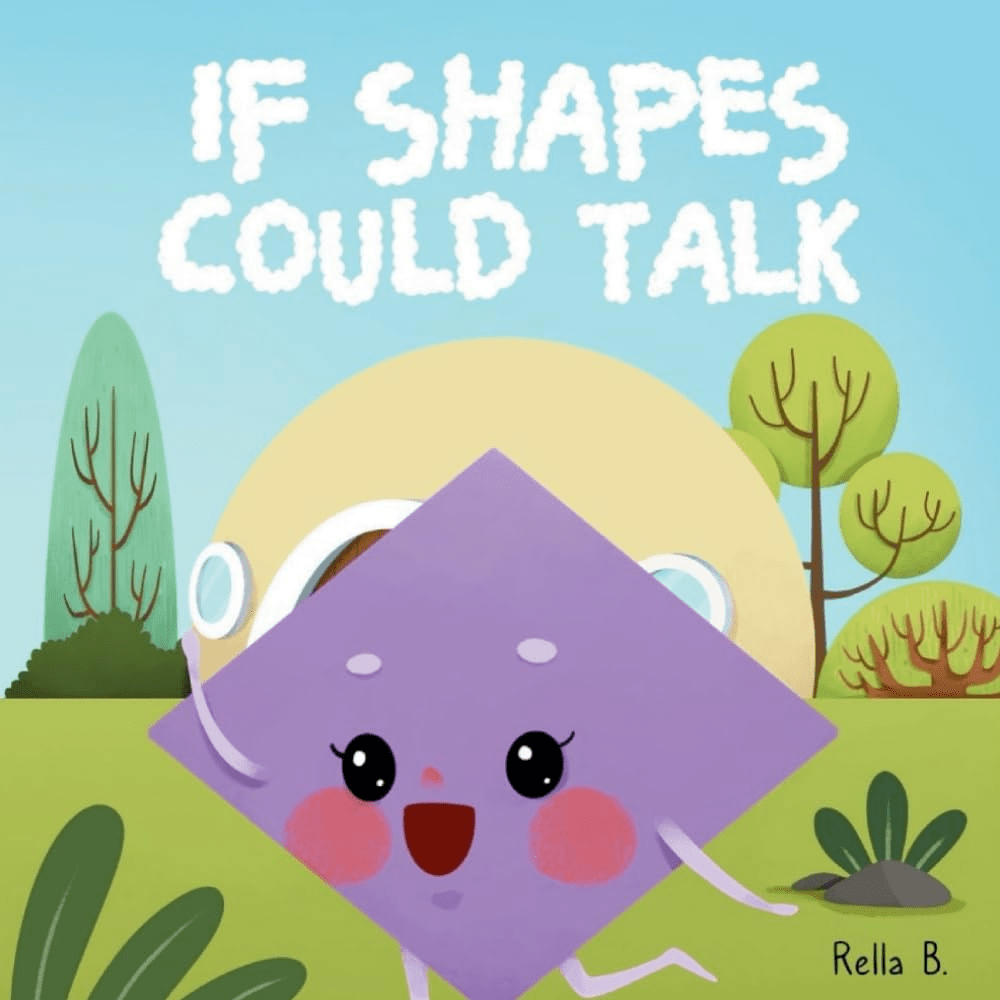
This book is much more than a rhyming picture book about shapes. It teaches young children colors, empathy, compassion, kindness, gratitude, and diversity.
A rhombus introduces us to her shape family. Each member is different but they all live happily together. When the rhombus goes to school, she discovers a world of diversity and begins to feel left out because she has fewer material possessions. Soon, she learns that appearances can be deceiving.
Toddlers and preschoolers learn shapes and colors, older elementary school age readers will better understand the value of uniqueness and diversity.
Recommended for toddlers through grade three.
SUBSCRIBE TO THIS BLOG TO GET NEW BOOK REVIEWS EVERY WEDNESDAY AND SUNDAY.
The ability to set goals and achieve them requires mustering up the courage to take responsibility for your life. That involves putting yourself first. By putting yourself first, you are simply making it a priority to take care of your mental, physical, emotional, and spiritual needs.
Creating the life that you desire is no one else’s responsibility but yours. You cannot do that if you keep getting in the way of yourself by thinking and caring too much about others. No doubt, caring for the needs of others is a natural human instinct, but it should never be to your detriment.
Many people are oblivious to the realization that they are the architects of their fortunes. They like to believe that putting the needs of others first, before their own, follows a universal moral code of conduct that you must adhere to, the failure of which makes them less human or less fortunate in life.
There are various reasons why people believe that putting the needs of others ahead of their own is the best and only way to live. They may think people will stop liking them, or that being a tireless caregiver gives them a sense of purpose and fulfillment. Some sincerely feel responsible for others, or worse, they don’t feel worthy of making themselves a priority.
Whichever one of the above categories you may find yourself in, the good news is that you can reset your thinking. Sadly, many people today suffer from thoughts of negating their own needs for the benefit of others. It is, however, essential to know that this thinking is false. You need to unshackle yourself from them to successfully take charge of your life and fully accomplish your goals.
Rather than confining your thoughts to the preconceived notion of scary consequence that would supposedly befall on you if you put yourself first, it is much more reassuring to focus on the numerous benefits guaranteed by putting yourself first. The importance of this is tied to many wholesome benefits some of which include:
Being more productive
Being happier and more joyful
Having more energy
Receiving more respect from others
Improved relationships
Experiencing less fear
Suffering from less stress
Feeling less resentment
Experiencing less depressed
These are the key areas where you stand to benefit if you learn to put yourself first. In this report, we will be looking at various healthy ways to put yourself first to gain the many wonderful benefits.
Strategies for Putting Yourself First
Below are some healthy ways and tips that can help you develop the habit of putting yourself first without burning bridges or negatively affecting your energy, enthusiasm, and motivation. Following them will help you achieve your goals, protect your mental and physical wellbeing, and overcome even your biggest challenges.
Choose Your Purpose
Having a clear purpose in life is essential. It is the simplest, most basic thing every person needs to live a fulfilling and satisfying life. Without a clear sense of purpose, you will end up living your life haphazardly. Your purpose also makes it easier for you to say ‘No’ to people and things that do not align with your highest good. Being aware of your life purpose and living it helps you identify those things that you need to do and when you need to do them. By consciously reaffirming your purpose regularly, you will be inspired to multiply your efforts of taking action to see your purpose fulfilled.
Live by a Vision
Putting yourself first also requires that you develop a clear vision of the life that you want to lead. A vision keeps you focused on the journey of your life. A clear vision will allow you to effectively prioritize your tasks and projects as the important things will align with your purpose and vision of your ultimate life. To get clear about your vision, start by reflecting on these three questions:
Who do I want to be?
What do I want to do?
How do you want to feel?
If you are unsure about your vision, ruminating on these questions will assist you in getting clear about what you want out of life.
Set Personal Goals and Plan
Setting personal goals is a wise way to ensure your vision becomes a reality. Goals make the realization of your vision much more achievable and will keep you motivated and focused on what you want out of life. After taking the time to set your goals, set aside regular time to plan how you will achieve each of them.
Learn New Skills
As you draw up your goals and develop your vision, you may find you need to learn new skills to make your ideal life a reality. Take some time to identify those areas that you may be lacking in knowledge and skills. Then take proactive steps to bridge the gap between your present level and your desired level regarding your knowledge and skills.
Set Personal Boundaries
Setting person boundaries is a skill you need to master when learning how to put yourself first because you will need it a lot on every step of your journey. That is especially true if you tend to be a people-pleaser. Others are used to you backing down and giving them what you want, so you’ll need to stay strong. Look them in the eye and kindly say, “No, thank you.” Even when they try to convince you to think otherwise, practice sticking to your decision by not get pressured into consenting. Setting personal boundaries is a vital skill because it enables you to defend your time and your rights which is an essential component of putting yourself first.
Get Exercise
Putting yourself first isn’t only about goal setting and getting ahead. It’s also about taking the time for self-care. After all, if you don’t take care of your health, you’ll be unable to live your purpose or fulfill your life’s vision. Put yourself and your health first by starting a program of regular exercise as soon as possible if you aren’t already doing so. Engaging in a brisk daily walk is all that’s needed to improve and maintain your health.
Eat Healthily
A healthy diet is equally as important as your body’s need to exercise. Eating a nutritious diet is a huge part of taking care of your health and putting yourself first. If your diet needs a major overhaul, take it one step at a time and work your way up to your ideal diet. Remember, putting yourself first is about being kind to yourself.
Sleep Enough
Getting sufficient sleep is another essential component of putting yourself first. It is also necessary for boosting your performance and replenishing your energy. By getting enough sleep, you will be better equipped to face the hurdles of the new day with greater confidence, energy, and enthusiasm. Never allow anyone or anything come between you and the need to get enough sleep.
Schedule Relaxation
Sometimes you may be lacking the energy you need to live your ultimate life. Rather than trying to push through such times, it is better to maximize your relaxation and recovery. You can engage in activities that will help reduce fatigue and replenish your energy, such as meditation, yoga, massage, or a quick nap. If you find you run low on energy and motivation on a regular basis, start scheduling relaxation or downtime into your day. A consistent relaxation routine will keep you on more of an even-keel, so you don’t burn out.
Journal
Apparently, you have 60,000 or more thoughts per day. When you feel you have a lot to do and you are overwhelmed with too many ideas, journaling will help clear your head. Journaling can also lead to better self-awareness, which is the foundation of putting yourself first. You can journal any way you wish—with paper and pen or by using an app. You might choose to journal every day or only when you feel overwhelmed or unsettled. Whatever works for you is perfect.
Practice Gratitude
Take some time each day to reflect on the positives in your life. It’s easy to focus on the things we’d like to change and neglect to be appreciative for all we have. It is very important to have a realistic perspective on your life and identify the positives for the sake of your health and wellbeing. As you find the time to write down and reflect on all the things you are grateful for each day, you will reduce your stress levels and naturally find more and more to be grateful for in your life.
Conclusion
Putting yourself first is something you must make a conscious effort to do. You must fill your cup first, or you will end up with nothing left to give to others. Even when you face negative reactions from people who feel that you are selfish for putting yourself first, remembering the tips outlined above and applying them will give you the wherewithal to go on regardless and live the life that you desire.
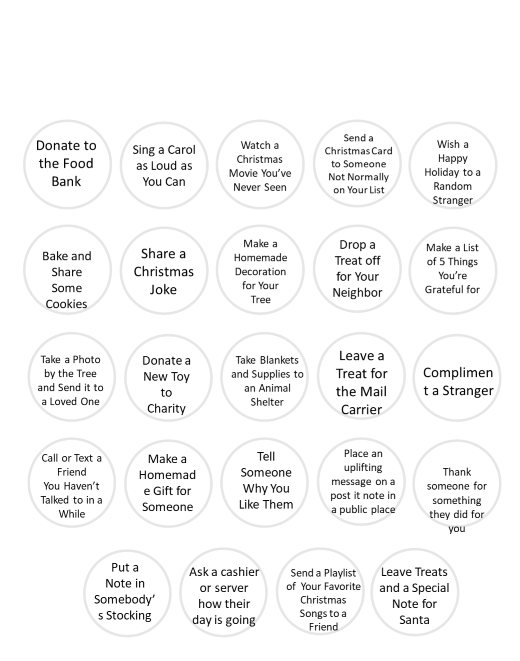
Are you tired of shopping frantically trying to find that perfect gift? I wanted to share with you an Advent calendar that focuses on the giving rather than receiving.
Read down to the end of the page for instructions on different ways to assemble and use this calendar and get into the holiday spirit!
How to Put Your Advent Calendar Together:
1.Print background on one-sided on paper or card stock.
2.Print next two pages double sided on one piece of paper or card stock.
3.Cut out the daily shapes and then arrange the pieces on your background. You can tape or glue the top of each piece and fold over for the message on each day of the month.
Alternatively, you could print last two images double sided, hang them on a string with a clip or tape and then remove one new circle each day.
Ninjas Go to a Party: A Rhyming Children’s Book About Parties and Practicing Inclusion
Written by Mary Nhin
Those fun-loving ninjas work hard all week, but they do love to take a break occasionally to party. When they do let their hair down, Inclusive Ninja makes sure that everyone has an enjoyable time. He welcomes all to eat, share activities, and work as a team.
This book is part of a series that employs lovable characters to teach life lessons and values like friendship, empathy, compassion, and inclusiveness.
The entire series is available in boxed sets, individual books, and collections arranged by theme.
A fun book to read aloud, for a bedtime story, or for classroom discussion.
SUBSCRIBE TO THIS BLOG FOR NEW BOOK REVIEWS EVERY WEDNESDAY AND SUNDAY.
This picture book contains creative and beautifully done illustrations. The plot combines a few traditional fairytales that are given an unusual twist.
At the beginning of the story, the mother asks her husband to go to the store to buy carrots as she wants to make carrot and potato soup. She does not ask him to do so with a respectful tone. Dad obliges her but soon discovers the local grocery is closed. He continues to search for carrots and gets involved in a series of adventures.
Dad meets up with a cast of characters that involve humans and some animals with bad intentions. These adventures invoke shades of familiar fairytales. Will Dad give up or will he pursue his task? Will his wife be grateful for his efforts?
The twists and turns of this tale are interesting, but many children may become lost and confused in the message. This book will probably lead to lots of questions when reading to young children. I recommend that the book be read with adult supervision and guidance.
If you enjoyed reading this post, please subscribe by clicking on the word Follow or by hitting the orange RSS FEED button in the upper-right hand corner of this page.
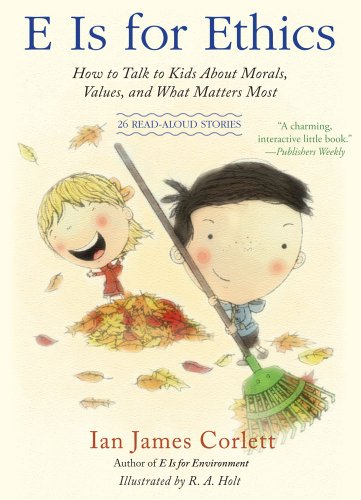
E is for Ethics: How to Talk to Kids About What Matters Most
Written by Ian James Corlett
Illustrated by R.A. Holt
The author is a Children’s TV writer and animator by trade. Distressed by the fact that schools no longer include ethics and civics teaching in their curriculum, he decided that he and his wife must assume that responsibility. Many years ago when his children were young, he and his wife decided to set one night a week as a family discussion time. Corlett developed a series of twenty-six stories that exemplified different aspects of moral behavior. Following each story, the children engaged in interactive questions for discussion as well as suggested activities.
The following is a list of the topics discussed in these stories: honesty, understanding, forgiveness, courage, perseverance, tact, politeness, loyalty, gratitude, truthfulness, sincerity, integrity, citizenship, responsibility, kindness, generosity, helpfulness, empathy, charity, trust, willingness, respect, fairness, acceptance, patience, and effort. There are simple colorful illustrations of a young child like the character of Lucy or Eliot featured in each story. A few famous quotations are sprinkled throughout.
This book provides a wonderful opportunity for parents to spend time getting to know what their children are thinking as well as fulfilling a necessary parental responsibility to guide and form a child’s character and values. Recommended for all ages in the family to enjoy and share.
If you enjoyed reading this post, please subscribe by clicking on the word Follow or by hitting the orange RSS FEED button in the upper right-hand corner of this page.
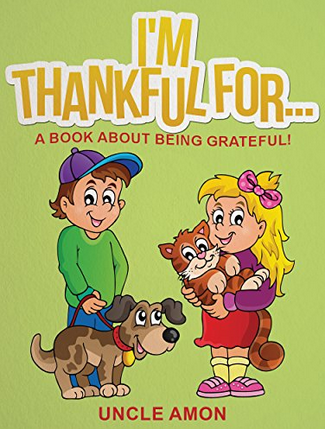
Title: I’M THANKFUL FOR…A Book About Being Grateful
Author: Uncle Amon
This is a charming book that contains five short stories for children about reasons for being grateful. Billy and his cousin Jillian are the main protagonists. Each of the stories contains a practical lesson that children and adults may share. For example, in the story about tools, Billy comes to the rescue for Jillian when her desk needs fixing. Later his mother gets in trouble and Billy is able to use both his tools and ingenuity to come to the rescue. His good deed results in an unexpected reward. Without giving away too much of the plots, the other tales focus on pets, older friends, school and fresh air and sunshine.
The stories are full of humor. There is quite a bit of dialogue that develops the characters and makes the story easy to follow for beginning readers. Although the book is targeted for ages four through ten, I would especially recommend it for the six to eight-year-old age group. Bonus features include mazes, puzzles, and a followup activity for each of the tales. Th perfect book for parents and children to share and enjoy. If you are looking for a Thanksgiving holiday book, this one is a good choice.
If you enjoyed reading this post, please subscribe by clicking on the word Follow or by hitting the orange RSS FEED button in the upper right-hand corner of this page.
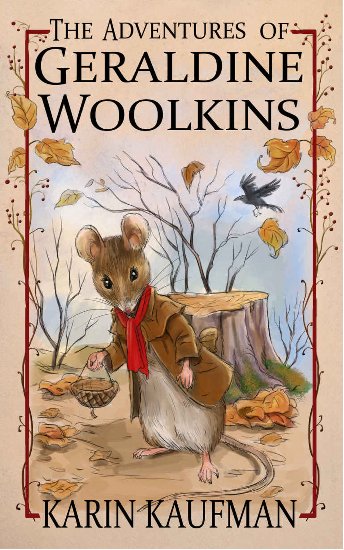
A delightful chapter book consisting of ten stories that revolve around a fearless family of mice facing the dangers and challenges of winter. Geraldine is the protagonist who was born in April, but now in October is facing the end of the gathering season. She and her brother Nigel have much to learn and experience. Readers are introduced to their friends in the forest, Penelope, the sparrow and Cheddar, a white rabbit. The children love to hear their father Nigel read to them stories from the Book of Tales. These adventures teach them about common sense, trust, gratitude, empathy and sharing. As October wanes, the family and friends celebrate Thanksgiving and the joys of Christmas. On the other hand, the children’s curiosity put them in danger of being eaten by wolves and ravens, swept down the river on a log and being destroyed by a forest fire. Charlotte is a sensitive and inquisitive mouse who desires to read, write and explore the world around her. She and her brother share sibling rivalry, but at the same time deeply love and care for one another. Their parents teach them to have faith that Very, Very Big Hands will be there to guide and protect them.
This chapter book is geared toward readers in grades three to six. Some younger children may enjoy individual stories as a read aloud. There are no illustrations; a few simple drawings would add appeal to younger children. I would thoroughly recommend the book as a gentle, sweet read for children who love animals. The many lessons learned and bravery in facing adversity allow for lots of discussion on the topics of developing strong character and interpersonal skills.
If you enjoyed reading this post, please subscribe by clicking on the word Follow or by hitting the orange RSS FEED button in the upper right hand corner of this page.
Sally places her message for this story right on the cover: The Importance of Appreciation. Alexander and Charlotte have only two dollars between them. They are walking through a Christmas tree lot on Christmas Eve. The owner informs them that they only have enough money to consider a tree on a pile of rubbish in the corner. There the two children discover a scraggly tree that desperately wanted to become a Christmas tree to make a family happy. The family is poor but determined to embellish their tree. As the tree gazes at the worn furniture and scanty possessions, it is amazed by how family members gather popcorn, aluminum and personal possessions to transform the scrawny tree into the most beautiful tree inside and outside.
Illustrations are simple and classic; this book will not only place smiles on the faces of preschoolers and primary school children, but remind children and adults alike to appreciate the little things and not become embroiled in the materialistic side of Christmas. Recommended as a bedtime story or read aloud for students and families to share.
If you enjoyed reading this post, please subscribe by clicking on the word Follow or by hitting the orange RSS FEED button in the upper right hand corner of this page.


 November 13, 2024
 bamauthor
 Comments Off on THANKSGIVING MADE REAL…




![A Family Dinner by [Tan, Cory Q]](https://images-na.ssl-images-amazon.com/images/I/61sEqoRNYFL.jpg)


 Barbara Ann Mojica's BLOG
You must be logged in to post a comment.