This adulting thing can be hard, very hard. That’s true whether you’re raising a family or just yourself. In some cases, we were warned by our parents. For the most part, though, becoming an adult looked amazing, with little to no downside.
As a child, you saw your parents doing what you thought was whatever they liked. Little did you know that their efforts were driven by a desire for you to have the best possible life. While that was the case, all you saw were people who got to stay up late and make the rules.
Wouldn’t that be awesome when you were finally able to do it? It’s something you begin to look forward to … growing up.
Your parents and other grown-ups jumped into their cars whenever they wanted and drove anywhere. They could go shopping or to a restaurant. They always had money to buy things. You never had money and certainly weren’t able to drive a car.
That desire for adult-like independence was the reason you couldn’t wait to learn to ride a bicycle. You felt like a grown-up because you had a sense of being able to get up and go and explore. You could jump on your bike and take off! The end of the block, or “just down the road,” felt like it was a million miles away. This was, to you, your first taste of grown-up freedom.
Fast-forward a few years, and you’re leaving high school. You’ve heard as long as you remember that you can become whatever you want to become. You can’t wait to officially enter adulthood. It’s going to be so sweet!
Then you get out on your own at 18 or 20, or 25 years of age. What are all these responsibilities? There’s so much to do. Where is all the freedom and independence you thought your parents had when you were a kid? Why is life so tough?
Then the truth of the situation hits you. This grown-up thing isn’t very fun, and being a kid definitely was.
Ask any grown-up if they have enough leisure time, and they’ll look at you like you’re speaking a language from another planet. Of course, they don’t have enough time to do what they want? Why ask such a crazy question?
There’s never enough time for fun and playful activities. Only the independently wealthy can truly enjoy their lives, spending as much time as possible doing what they want rather than what they have to do.
That’s the number one reason grown-ups will give you if you ask why they don’t spend more time on enjoyable activities. They’ll tell you their job, family responsibilities, social commitments, and other “have to do” activities keep them from having any downtime. They have to be serious 24/7. There simply isn’t any time for humor and fun, and play.
Then there’s the fact that adults constantly worry.
Kids don’t. A child just does what he does for the sake of doing it. He’s not too concerned about consequences. He chases a butterfly or goes out of his way to splash in a rain puddle just because. It’s fun. So he does it.
What is it that adults worry about most of the time? According to Inc. Magazine, in a blog post titled “The Top 10 Fears That Hold People Back in Life, According to a Psychotherapist”, here’s what your adult mind is stressing over most of the time. (They are listed in no particular order.)
Change (Good or Bad)
Being Lonely
Failing
Being Rejected
Uncertainty
The Results Are Going to Be Bad
Being Hurt
Judgment
Feelings of Inadequacy
A Loss of Freedom
As an adult, you need to understand that change is inevitable. Sometimes it’s good, sometimes bad, but it is guaranteed to happen. Many changes are out of your control. Instead of worrying and fretting over change coming into your life and wreaking havoc, accept that it will appear and stop stressing about it.
If you worry about being lonely, guess what’s going to happen? We often create self-fulfilling prophecies. This means that concerning yourself with loneliness can lead to that reality. The fear of loneliness can also keep you in less than healthy relationships rather than going it alone.
Look, everyone hates failing. Sometimes we adults would rather simply not try because we’re scared of what will happen if we fail. This mindset will always fill you with stress and anxiety, which means less fun and happiness in your life.
Adults are constantly worried about being rejected in relationships and on the job. They don’t attempt new things or reach out to connect with others because they’re uncertain about what’s going to happen. The result could be bad.
Adults fear getting their feelings hurt, especially by loved ones. If they reach out to others for a little fun or just less seriousness, what if they’re judged poorly? They might feel inadequate to those around them.
Finally, adults are often fearful of a loss of freedom. Be careful that this doesn’t lead you into a bad situation. Someone who embraces freedom may avoid getting a steady job, which can lead to financial issues.
If these and other grown-up worries are constantly rolling around in your head, force yourself to take a break. Call your friends for a night out on the town. Take a walk, cycle with your BFF, or watch a funny movie.
Play, laugh, and smile like a child again. Enjoying the present moment without expectations can help remove yourself from these bothersome adult worries that can cause physical and mental stress.
You Probably Have More Free Time Than You Think You Do
By the way, the common excuse that adults don’t have much free time for playing around and goofing off might not be correct. Consider this.
NBC News reported in September of 2021 that the “… sweet spot for free time is about 3 or 3.5 hours per day.”
Life satisfaction was at its highest when people “had in the neighborhood of 2.5 hours of free time a day.”
[American Psychology Association – Having Too Little or Too Much Time Is Linked to Lower Subjective Well-Being – Sharif, Mogilner, Hershfield]
Adults will tell you they don’t have anywhere near that amount of free time. They might agree that they would have a much better life if they could enjoy their hobbies or other playful activities for a few hours each day. As it turns out, most adult Americans have more free time than they think they do (or will admit to having).
As reported by the Centers for Disease Control and Prevention (CDC), research from doctors Roland Sturm, Ph.D., and Deborah A Cohen, MD, reveals that you might have more leisure time than you realize. Here’s one big takeaway from that study.
“Americans averaged more than 5 hours of free time per day; no subgroup reported having less than 4.5 hours of free time per day.”
[Sturm R, Cohen, DA – Free Time and Physical Activity among Americans 15 Years or Older: Cross-Sectional Analysis of the American Time Use Survey]
Notice that no subset of the data had less than 4.5 hours of free time each day. This means people in their late teen years and twenties, thirties and forties, fifties, sixties, seventies, and older all had a minimum of 4.5 hours of leisure time.
Take an honest look at your life. How many 10 or 15 or 20-minute blocks of free time do you have? You don’t have to have fun in large doses. You can fill those small sections of your day with playtime and laughter rather than worry and stress.
We know that engaging in fun and enjoyable activities just for the sake of the activity itself, not for a specific result or achievement, is a great stress reliever. It can also put your life in perspective and help you learn not to take life too seriously all of the time.
It means that adults, including you, probably have a good bit of time to stop and smell the roses.
Prioritize play in your life. You never know when your number will be called, so why not have some fun? You know how good you feel when you laugh and smile. Schedule time for those activities that put a smile on your face. Hang out with that friend that makes you laugh.
Go out of your way to schedule more play and less seriousness. You can live a happier, healthier, and longer life. You can also find a lot more appreciation of your life, yourself, and the people in it.
Here’s to you smiling and laughing more and stressing out less.
SUBSCRIBE TO THIS BLOG TO RECEIVE NEWS YOU CAN USE.
Looking for a babysitter you can trust? Learn six essential steps to help you choose the right caregiver for your child—ensuring safety, comfort, and peace of mind.
Every parent needs a night out once in a while. But leaving your children in someone else’s care can feel nerve-wracking. Choosing the right babysitter takes more than finding someone who’s “nice.” It’s about finding someone dependable, experienced, and genuinely caring. Here’s how to make a confident, informed choice that keeps everyone safe and happy.
1. Don’t Hire Just Because They Seem Nice
It’s tempting to trust someone who seems friendly, but appearances can be deceiving. Not everyone with a warm smile has good intentions. Be cautious and thorough. Take time to get to know the person and verify their background before leaving them in charge.
2. Ask for—and Check—References
Always ask for references and confirm them carefully. Call each one to learn about the sitter’s past experience. Some references may be friends or relatives, so look for those who can speak about actual babysitting jobs. You want to know how this person has handled real childcare situations.
Parent Tip: Ask questions like: “How old were the children they cared for?” “Would you hire this person again?”
3. Conduct a Family Interview
Schedule a friendly, in-person meeting. Include your child in the conversation and observe how the sitter interacts with them. Does your child feel comfortable? Does the sitter seem genuinely kind and attentive?
Remember: Never force a babysitter on your child. Comfort and trust matter most.
4. Set Clear Rules and Expectations
Once you’ve made your choice, discuss your household rules—no smoking, limited phone use, no visitors, bedtime routines, and screen time limits. Make sure your expectations are understood before you leave.
Parent Tip: Write down your rules and contact information so your sitter has them handy.
5. Stay Alert for Warning Signs
If you plan to use a sitter regularly, keep an eye out for changes in your child’s behavior.
Do they act fearful or withdrawn when you mention the sitter?
Have eating or sleeping habits changed?
Are there any unexplained bruises or injuries?
If something doesn’t feel right, address it immediately—and contact authorities if necessary.
6. Look for a Caregiver, Not Just a Babysitter
The ideal sitter treats your child with the same love, patience, and respect you would. They should be dependable, caring, and trustworthy—someone your whole family feels comfortable with.
Final Thoughts
Choosing the right babysitter takes time and thoughtful attention, but the peace of mind you gain is worth it. When you find someone who truly connects with your child and respects your home, you’ve found more than a sitter—you’ve found a trusted partner in your child’s care.
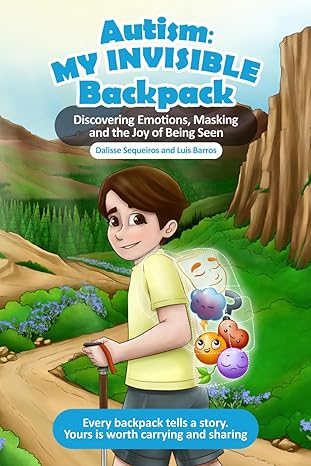
Publisher’s Book Summary: Autism: My Invisible Backpack is a heartwarming story that follows two autistic brothers, Adrián and Guillermo, on a mountain hike. Along the way, children discover that everyone carries an invisible backpack filled with feelings and thoughts, sometimes light, sometimes too heavy to carry alone.
Through this powerful metaphor, kids explore four common challenges —masking, hyper-empathy, literal thinking, and emotional overload —while also learning that therapy can be a safe place to unpack and rest.
With simple language, hand-drawn illustrations, and practical tools, this book helps children and families:
✔️ Recognize emotional overload and name feelings ✔️ Create mask-free zones to feel safe and authentic ✔️ See therapy as a trusted space to share openly ✔️ Celebrate moments of being truly seen and valued
A supportive resource for families, educators, and therapists, this story brings comfort, connection, and real strategies to make the autism journey feel lighter.
Dalisse Sequeiros is a devoted mom raising two incredible autistic boys. As a passionate autism advocate, she understands both the joys and challenges that come with parenting autistic children. Dalisse thoughtfully creates books for children ages 6–12, offering stories that celebrate their strengths, differences, and unique ways of connecting with the world.
Her mission is to offer resources that foster understanding, empathy, and confidence, helping autistic children feel seen, valued, and empowered. With every story, Dalisse hopes to create meaningful moments of connection for families navigating the world of autism.
She cherishes every milestone and dedicates herself to promoting acceptance and belonging through her writing.
Inspired by their own parenting journeys, authors Dalisse Sequeiros and Luis Barros have created a touching and practical story that opens a window into the world of a neurodivergent child. Told through the eyes of young Adrián, Autism: My Invisible Backpack follows a family hike that becomes a powerful lesson in understanding emotions and self-acceptance.
As Adrián struggles up the mountain, he learns about the “invisible backpack” we all carry—filled with our thoughts and feelings. The story gently shows how carrying too much emotional weight, or trying to “act normal,” can overwhelm a child on the spectrum. With the loving support of his parents, Adrián learns to unpack that weight and embrace his true self.
Vivid illustrations and easy-to-understand metaphors make complex emotional concepts come alive for young readers. The authors also include helpful notes and strategies for parents, offering guidance on emotional regulation, self-care, and creating safe spaces for every family member.
Autism: My Invisible Backpack is both heartwarming and practical. It is a story that encourages empathy, celebrates differences, and reminds readers that every child deserves to shine in their own way.
GIVEAWAY
Enter for the chance to win one of 10 paperback copies of Autism: My Invisible Backpack by Dalisse Sequeiros. Plus, one lucky grand prize winner will receive a complete set of books from Loving Pieces Books!
CLICK THE LINK BELOW TO SEE THE BOOKS AND ENTER THE GIVEAWAY
November 14, 2025 bamauthorComments Off on EXPLORING THE WORLD OF A NEURODIVERGENT CHILD, Autism: My Invisible Backpack, VIRTUAL BOOK TOUR AND GIVEAWAY
Our Hearts: A children’s book about how we navigate all of our feelings together with the ones we love.
Written by Kathleen Davis
Illustrated by Martyna Nejman
This beautifully illustrated rhyming picture book imparts a beautiful message for any age. The feelings we hold in our hearts belong not only to us but to those around us who love and care for us.
Our parents and friends experience the joys and sorrows, successes and failures we hold in our hearts. As we grow older our hearts expand as does the ability of others to share in those feelings. Our ability to love always outshines the feelings of fear and sadness.
I especially enjoyed the multicultural illustrations and the interactive feature, which encourages young readers to find and identify scenes and objects in the book.
Highly recommended for elementary and middle school readers, but a joyful message for all ages.
SUBSCRIBE TO THIS BLOG TO RECEIVE NEW BOOK REVIEWS EVERY WEDNESDAY AND SUNDAY.
Max’s Big Adventure: Traveling with Food Allergies
Written by Sally Huss and Elizabeth Hamilton-Guarino
HUSS AND HAMILTON-GUARINO have addressed an important subject that affects the everyday lives of millions of children. Kudos to both authors for providing a teaching tool to entertain and educate kids about allergies and actionable resource links to guide their parents.
I love the way Max takes charge of his health and speaks intelligently and confidently to both adults and children about his problem. The list of resources is valuable to parents, grandparents, and teachers who need to get the most update information on food allergies.
Recommended highly to the growing number of families who face this problem.
SUBSCRIBE TO THIS BLOG FOR NEW BOOK REVIEWS EVERY WEDNESDAY AND SUNDAY.
Daily Confidence Boosters Checklist Goal: Help your child build confidence through daily, simple actions that promote self-awareness, self-expression, and resilience.
Encourage Self-Expression • How: Give your child a chance to express themselves creatively each day, whether through drawing, writing, dancing, or speaking up about their feelings. • Why: Self-expression is key to developing a strong sense of identity and confidence in their own voice.
Morning Affirmations • How: Encourage your child to start their day with a positive statement. They can say something like, “I am strong, I am kind, I can do hard things.” • Why: Affirmations set a positive tone for the day, helping children build a mindset of self-belief and optimism.
Small Wins Celebration • How: At the end of the day, ask your child to share one thing they accomplished, no matter how small (e.g., “I finished my homework on time” or “I was kind to my friend”). • Why: Recognizing small successes builds momentum, reinforcing the idea that progress happens one step at a time.
“Challenge of the Day” • How: Introduce a fun, simple challenge each morning. Examples include: “Try to help someone today” or “Try to ask a question when you don’t know something.” • Why: Overcoming small challenges teaches children resilience and encourages problem-solving skills.
Body Language Power Pose • How: Teach your child to stand in a “power pose” for a few seconds each day—legs apart, hands on hips, standing tall. Do this before school or big events (like tests or presentations). • Why: Body language can have a huge impact on confidence. This quick physical exercise helps them feel strong and capable.
Kindness Check • How: Ask your child, “What kind thing did you do for someone else today?” or “How were you kind to yourself today?” • Why: Acts of kindness, whether for others or themselves, build emotional strength and empathy, both of which are essential to self-confidence.
“I’m Grateful For…” Journal • How: Encourage your child to write down one thing they are grateful for each day, even if it’s just something small. • Why: Focusing on gratitude helps shift their mindset away from what’s missing and towards what’s already good in their life, promoting a positive, resilient outlook.
Compliment Swap • How: Make it a daily habit to share compliments with each other as a family. You can go around the dinner table and say one nice thing about someone. • Why: Giving and receiving compliments helps children recognize their own strengths and the strengths of others.
Try Something New • How: Ask your child to try something new every day, even if it’s small, like trying a new food or solving a different type of puzzle. • Why: Trying new things helps them get comfortable with taking risks, learning, and expanding their comfort zone—all crucial for building confidence.
“Bounce Back” Reflection • How: At the end of the day, reflect with your child on something that didn’t go as planned. Discuss how they handled it and what they learned. • Why: This teaches children that setbacks are part of life and provides a chance to learn resilience and perseverance.
How to Use This Checklist:
• Age-Appropriate: Tailor these activities based on your child’s age and personality. • Consistency is Key: Pick a few of these to try each day, and be consistent over time. Little habits build big confidence! • Reflection Together: Spend a few minutes talking with your child about how they felt after each activity to deepen the experience.
SUBSCRIBE TO THIS BLOG TO“Join a Community That Builds Strong, Happy Families.”
This is the first in a series of articles dedicated to helping parents raise happy, confident and successful children.
5 tips to help tweens and teens resist peer pressure.
Talking to children about resisting peer pressure is crucial for helping them develop strong self-esteem and decision-making skills. Here are five tips that can guide parents in these important conversations:
1.Foster Open Communication:
Create an environment where your child feels comfortable sharing their feelings and experiences with you. Start conversations about their day, their friends, and any concerns they have. Encourage them to express themselves freely without fear of judgment. This open line of communication can make it easier for them to come to you when they’re facing peer pressure.
2.Role-Play Scenarios:
Help your child prepare for potential peer pressure situations through role-playing. Discuss different scenarios they might encounter, such as being offered drugs, being encouraged to skip class, or facing pressure to bully someone. Practice how they can respond assertively. For example, they can learn to say “No, thanks, I’m not interested” or “I’d rather not do that, let’s do something else instead.” This rehearsal can make them feel more confident in real situations.
3.Discuss the Importance of Individuality:
Emphasize the value of being true to oneself. Talk about the importance of having personal values and sticking to them, even when it’s hard. Share stories of people, possibly even from your own life, who stood up for what they believed in. Highlight how respecting their own feelings and thoughts above others’ expectations is a sign of strength and maturity.
4.Teach Critical Thinking Skills:
Encourage your child to think critically about the motives behind peer pressure and the potential consequences of giving in. Ask them questions like, “Why do you think they’re pressuring you to do this?” and “What could happen if you follow along?” This can help them assess situations more effectively and make decisions that are in their best interest.
5.Build Their Self-Esteem:
Children with high self-esteem are more likely to resist peer pressure because they value their own opinions over fitting in with the crowd. Celebrate their achievements, encourage their interests, and support them through challenges. Make sure they know they’re loved and valued for who they are, not for conforming to what others think they should be.
Remember, resisting peer pressure is a skill that needs to be nurtured over time. By using these tips, you can equip your child with the tools they need to stand up for themselves and make choices that are right for them.
Navigating the Middle School Transition: A Parent’s Guide
IS YOUR CHILD ANXIOUS ABOUT ENTERING MIDDLE SCHOOL?
Saying Goodbye to Elementary School
Transitioning from the familiar environment of elementary school can be challenging for some children. Kathy Glass, a former middle school teacher and author specializing in curriculum and instruction, notes, “Children often spend several years at their elementary school, making it feel like home. When multiple elementary schools merge into a single middle school, it can be socially overwhelming, potentially straining old friendships and fostering new ones.”
Embracing Independence and Organization
Middle school demands greater independence and organizational skills from students. “Unlike the single, self-contained classrooms of elementary school, middle school students rotate through different classes with various teachers, each with unique expectations. This can be daunting for some children,” explains Glass.
As a parent, you can offer support by listening, sympathizing, and guiding your child through this transition while clearly communicating the importance of focusing on schoolwork and succeeding academically.
SEVEN STRATEGIES TO KEEP YOUR CHILD ON TRACK
Provide Hands-On Guidance
Advocate for your child with teachers, counselors, and school staff.
Monitor homework, asking guiding questions like:
What information do you need for this assignment?
Where will you look for it?
What steps will you take next?
Assist with Organization
Help your child develop a system for managing important papers.
Use binders with folders for completed and returned work.
Ensure your child uses a planner to track assignments and deadlines.
Communicate with Teachers
Discuss any organizational challenges with your child’s teachers or school counselor.
Brainstorm solutions together.
Teach Time-Management Skills
Reinforce the habit of referring to a planner regularly.
Break down large assignments into manageable tasks.
Help your child estimate how long each task will take and create a realistic schedule.
Develop Note-Taking Skills
Encourage starting a new page for each class daily, using key words and abbreviations.
Review notes after class to ensure accuracy.
Teach your child to take notes from reading assignments by pre-reading to grasp main themes.
Hone Study Skills
Encourage active learning techniques such as highlighting, making study cards, and diagramming concepts.
Identify the best study times for your child and establish consistent study habits.
Use mnemonic devices to aid memorization.
Engage with Teachers
Address specific teacher-related challenges through communication.
Ensure your child understands each teacher’s expectations and homework policies.
Seeking Extra Help
If your child continues to struggle, consider hiring a tutor. Literacy coach Laura Hendrick advises, “Middle schoolers still need parental support, both academically and emotionally. Be firm and establish accountability measures.”
Reading Tips for Middle Schoolers
To become a successful reader, students should:
Maintain an organized home study space.
Practice reading daily.
Use textbook headings and questions to guide comprehension.
Advice for Parents
High school teacher Lance Balla suggests:
Understand your child’s learning style and provide a conducive study environment.
Stay engaged with teachers and monitor your child’s progress regularly.
Foster a college-going culture and model enjoyable reading habits.
Encourage your child to read newspapers and discuss their learning content, focusing on understanding rather than grades.

 January 15, 2026
 bamauthor
 Comments Off on LEARN HOW TO TELL A GREAT STORY IN 10 MINUTES









 Barbara Ann Mojica's BLOG
You must be logged in to post a comment.