Posts from the ‘nonfiction’ Category

#Giveaway #Wander New York: Fitz in the City
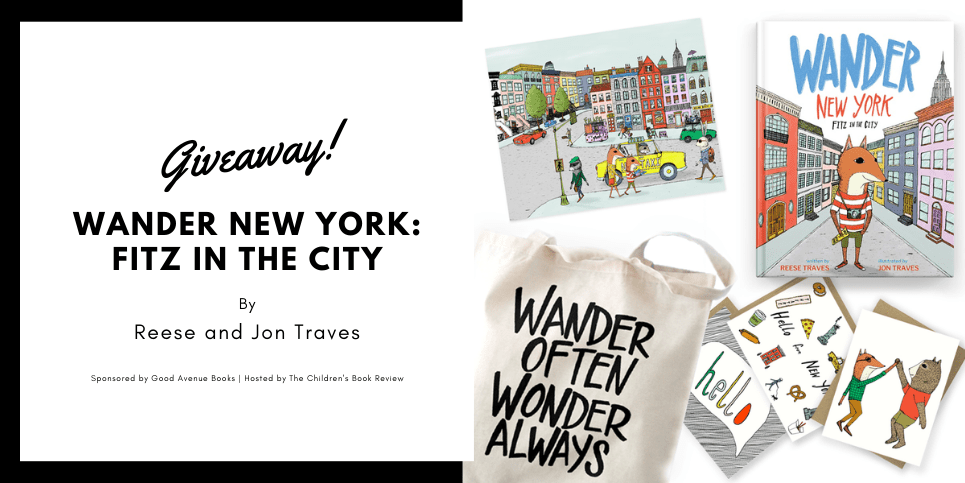
In partnership with The Children’s Book Review and Good Avenue Books.

ABOUT THE BOOK

Wander New York: Fitz in the City

Written by Reese Traves

Illustrated by Jon Traves

Publisher’s Synopsis: Fitz the Fox can’t wait to see all that New York City has to offer — but will he get to see the penguin feeding or will a subway snafu derail his plans? A whimsical, sight-seeing jaunt that encourages wonder with rhyming text, peppered with facts and trivia along the way!

Join Fitz as he visits the Statue of Liberty with her 8-foot long index finger, the bustling crowds of Grand Central Terminal, the wondrous, book-filled spaces of the New York Public Library, and marvels at the sky-scraping height of the Empire State Building.

Continue to wander with a walk from Manhattan to Brooklyn across the Brooklyn Bridge and visit the Bronx Zoo along with more iconic landmarks while exploring this exciting city!

Ages 3-10 | Good Avenue Books | August 10, 2020 | ISBN-13: 978-1734602104

https://amzn.to/30a9Q8Q

https://bookshop.org/a/2078/9781734602104

OFFICIAL LINKS

www.reesetraves.com | Twitter @reesetraves | www.jontraves.com | Twitter @jon_traves

GIVEAWAY

Enter for a chance to win a gorgeous Wander New York: Fitz in the City prize pack!

One (1) winner receives:

  • A hardcover copy of Wander New York: Fitz in the City autographed by author Reese Traves and illustrator Jon Traves.
  • A screen-printed Wander Often Wonder Always® tote from Hello Small World.
  • Three (3) Hello Small World greeting cards illustrated by Jon Traves.
  • An 8”x10” print of a scene from Wander New York: Fitz in the City signed by illustrator Jon Traves.

Two (2) winners will receive:

  • A hardcover copy of Wander New York: Fitz in the City autographed by author Reese Traves and illustrator Jon Traves.

Giveaway begins July 30, 2020, at 12:01 A.M. PST and ends August 11, 2020, at 11:59 P.M. PST.

CLICK ON THE LINK BELOW TO ENTER:

http://www.rafflecopter.com/rafl/display/3d5cb282178/

TOUR SCHEDULE

July 30The Children’s Book Reviewhttps://www.thechildrensbookreview.com/
July 31Barbara Ann Mojica’s Bloghttps://bamauthor.me
August 1Over Coffee Conversationshttps://www.gmarciano.blogspot.com
August 2Word Spelunkinghttp://wordspelunking.blogspot.com/
August 3Fairview Elementary School (Library)https://fveslibrary.blogspot.com/
August 4icefairy’s Treasure Chesthttp://icefairystreasurechest.blogspot.com/
August 5Library Lady’s Kid Lithttps://janemouttet.wordpress.com/
August 6Heart to Hearthttps://tynea-lewis.com/
August 7Life Is What It’s Calledhttp://lifeiswhatitscalled.blogspot.com/
August 8J.R.’s Book Reviewshttps://jrsbookreviews.wordpress.com/
August 10Satisfaction for Insatiable Readershttp://insatiablereaders.blogspot.com
August 11Confessions of a Book Addicthttp://www.confessionsofabookaddict.com/

If you enjoyed reading this post, please subscribe by clicking on the word Follow or by hitting the RSS FEED button in the upper right-hand corner of this page.

A REELING REPUBLIC

Bodies in the Tiber: An Ancient Rome Political Thriller: The Sertorius Scrolls Book 3

Written by Vincent B. Davis II

Quintus Sertorius has just returned from five years of fighting for the Roman republic in the north. He is eager to return to Rome and pick up his life with a family that he is certain barely remembers him.

Davis has a fluid writing style. He bases his historical fiction on research, but he is adept at creating interesting and complex personal characters. It is the year 100 B.C. While Rome has been victorious, the republic has never been in greater danger. Sertorius has been writing a diary of sorts in his scrolls for the past year documenting history while also providing personal glimpses into his ambitions as well as his fears.

This is the third book in the series which begins seven years earlier when Sertorius loses his father and his rural village. In a struggle to survive and provide for his family, Sertorius leaves them and is thrust into the role of politician in a corrupt society.

The author uses his own military experience to enrich his story. An engaging and fascinating read for anyone interested in ancient history.

If you enjoyed reading this post, please subscribe by clicking on the word Follow or by hitting the orange RSS FEED button in the upper right-hand corner of this page.

#How to Foster Leadership Skills in Children – #3 Focus on Teens

How to Lead Teens

Leading teens is different than leading children and older adults. Your role is to guide them into maturity and teach them how to manage adult responsibilities. Teens can handle more responsibilities and understand what’s expected.

But many older adults are intimidated to lead teens since they have a reputation for being rebellious. What if they won’t listen? What if they ignore your advice and “walk all over you”?

Here are some tips that may help you to lead teens.

The Right Attitude

It’s important to respect a teen’s place in the leadership process. (This is important with all ages, but teens are more aware of their own independence.) Remember that you can’t be a leader without followers! The teens have to be there for the leadership to happen.

Respect

Respecting those you lead is important. Teens probably won’t respond well to just being given orders. One way you can show your respect to the youths under your care is to listen to them. Really hear them, and respond respectfully to what they say. This proves your respect for them, In addition, it also sets a respectful tone in your group. When you do this, you’re leading by example.

Insist on Respectful Behavior

Because you’re modeling it, this shouldn’t be difficult to enforce. Ask that your teens treat each other with respect, and you can set yourself up as an example.

Be “Real”

Teens have a nose for sniffing out when something or someone is faking it. The teens in your charge don’t really expect perfection. They would prefer to interact with someone whose flaws they can identify with than someone distant and unfamiliar. Make sure to guard against hypocrisy. It’s fine to be genuine and share that you used to be a smoker or drinker while telling your teens not to smoke or drink, but if you are still smoking, your words will ring hollow and fake.

The Importance of a Good Relationship

Leading teens means assuming the role of a mentor and adviser. Mentoring means setting up an environment where learning takes place. Always set aside a time for teaching and answering questions. To form an effective leadership relationship with teens, it’s critical to know when to step back and let the teen try on his or her own and when to step in. If you develop a good relationship with your teens, then you will likely know them well enough to have figured out when to get involved and when to back off.

#HOW TO FOSTER LEADERSHIP SKILLS IN CHILDREN – #2 – SET AN EXAMPLE

Parents and teachers want children to be independent thinkers. They encourage children to develop their own opinions and have the courage to stand up for them. Whether you are working with children who are yours or you’re a caretaker for someone else’s children, learning how to lead them effectively is important. You may want to lead your kids to practice a healthy lifestyle, develop better communication skills, or something else. In any case, good leadership is a way to reach your goals with the children in your care.

How do you become a good leader for kids? It can be hard to know if you’re not used to it, or if you didn’t have strong leaders when you were a child. Here are some tips.

Set an Example

You’ve probably heard “lead by example,” but that means more than just doing something and hoping your kids will notice and imitate your behavior. It also means being purposeful in setting an example, and you’ll need to stop practicing certain behaviors and pay attention to what you say.

For instance, if you want your children to be patient with others – an important leadership attribute – then take care that you’re patient with them. If you want your children to be able to make decisions like a leader, then make sure you’re not making all of their decisions for them. Don’t be a helicopter parent. Permit your children to make mistakes and learn from them. To lead by example, you need to think about more than just living out healthy, positive lifestyle choices (although that’s important, too). It’s also important to set an example of how to treat others.

Include Them

Whether you are a teacher or a parent, including the children in your care is important to instill leadership. How do you include them? First, let them help. In the classroom, this might be a simple task like collecting papers and passing out papers. Students might be allowed to write an assignment on the board for the teacher. At home, let your children be a part of your daily routines, helping you wash the car and clean the house. After all, these are life skills, and those are the building blocks for good leadership.

Delegate

Good leaders know how to delegate responsibilities and tasks. In your home or classroom, give kids many different responsibilities. You can set things up so that the children in your care have a job to complete, and they have to delegate tasks to others to finish it. A different approach could be to simply explain the task, and give a job to each child to get it done. They will see the value of delegating. Perhaps, you might may explain that many jobs cannot be completed by one person without help from others. Each child participating will still have the satisfaction of helping to get something done.

Allow Them to Help Others

Wherever you can, let your kids help each other without being bossy or bullying. In fact, being bossy is not a good leadership skill. This is important to emphasize when you are working with children in different age groups. Teach them how to help others in an appropriate way, and then set up a scenario where that help can happen. When older siblings learn how to mentor rather than supervise a younger sibling, they learn how to transfer this skill from the family to the outside world. This method works in the classroom or at home with friends and/or siblings.

To Sum Up

Children are like sponges. They soak up what they see and hear in the world around them. Adults are their first role models. Parents, teachers, and caretakers set the example for the youth who will become tomorrow’s future. We will reap what we sow.

If you enjoyed reading this post, please subscribe by clicking on the word Follow or by hitting the orange RSS FEED button in the upper right-hand corner of this page.

Follow the award-winning Little Miss HISTORY nonfiction book series for children at http://www.LittleMissHISTORY.com

#HOW TO FOSTER LEADERSHIP SKILLS IN CHILDREN

Many children feel pressure to “fit in with the crowd.” How can we encourage youngsters to think independently and take charge?

This series is dedicated to discussing how parents and teachers can develop and facilitate a sense of independence that will foster creativity, encourage self-esteem, develop empathy and create the leaders of tomorrow.

The first post discusses how to create an environment that encourages young people to assume leadership roles.

How to Create a Home Environment That Instills Leadership in Kids

As parents and caregivers, we often want to create an environment at home that will be conducive to instilling leadership. But how? Instilling leadership can take many forms, and of course your individual family dynamic comes into play. But generally speaking, here are some tips on how to create a home environment that fosters leadership in your children.

Have a Routine

You may think that having a routine is creating followers by telling them what to do and when to do it. But actually, having a routine encourages leadership, because it provides security and a model of order and predictability. A good leader is not fickle – he or she possesses self-control and is fairly predictable. So those who are followers are certain of where they’re going.

Routines also teach organization, another important leadership skill. Organizing time is crucial if your kids are going to grow up to inspire others to follow. Include your kids in the development of your schedule and calendar, and show them how time is organized and which tasks and activities are prioritized.

Clear Boundaries

Do not cross line child in sneakers standing next to a yellow line with restriction or safety warning

As leaders, your kids will need to be able to define and enforce boundaries. Having clear boundaries in your home helps make expectations clear and lets your kids know how far they can go before they cross over. They will learn how to be fair and firm when boundaries are crossed, especially if you take care to consider the situation before enacting consequences. Not all boundary violations are the same.

To be good leaders, kids need to learn when to be firm (such as when a boundary is blatantly ignored) and when to be lenient (such as when a boundary is crossed accidentally). Including your kids when you develop boundaries and consequences is another way to create a leader-building environment.

Appreciate

When your kids do a job well, let them know. Give them positive feedback so they will learn how to give it themselves when they grow up to be leaders. A good leader knows when to pat followers on the back and appreciate their efforts.

Chores

Yes, having chore lists is something that parents may dread, or they may have heard about it and just don’t think it will “fly” in their family. But chores are one of the first ways that kids learn to be a part of the family “team,” and being part of a team is an important way to learn leadership.

Chores can be delegated depending on age and ability, and you can certainly include your kids in making the chore list. To keep motivation, have rewards for chores that are done well and on time. In fact, chores can be a way to earn privileges – your chore list can have two columns, one for chores and one for the privileges each chore earns.

To Sum Up

There are all sorts of things you can do to build a home environment that fosters leadership. Don’t be afraid to be creative, and remember to include your kids and give them age-appropriate responsibilities.

If you enjoyed reading this post please subscribe by clicking on the word Follow or by hitting the orange RSS FEED button in the upper right-hand corner of this page.

Follow the award-winning Little Miss HISTORY nonfiction book series for children at http://www.LittleMissHISTORY.com

TRIVIA TIDBITS

1123 Hard to Believe Facts

Written by Nayden Kostov

Illustrated by Yuliya Krumova

This book is an excellent choice for a coffee table book or a fun game at parties. Rather than list trivia questions to be answered, Kostov divides the questions by topics like People and Animals or Facts about the World. The author challenges the reader by presenting three choices for each question. Now the trick is to choose which of the answers is NOT correct. This approach makes the task of finding the correct answer formidable. I was surprised at how much more difficult this technique made the challenge.

I would recommend the book to readers age ten and older. It is highly educational and informative.

If you enjoyed reading this post, please subscribe by clicking on the word Follow or by hitting the orange RSS FEED button in the upper right-hand corner of this page.

#AuthorToolboxBlogHOP

For today’s linky, I would like to share my review of this quick read about working with an editor.

WHAT YOU NEED TO KNOW

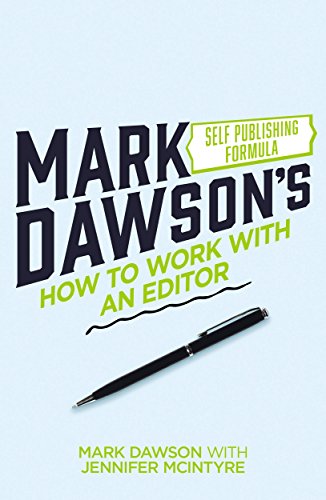
How to Work with an Editor: A Guide for (Nervous) Authors

Written by Mark Dawson and Jennifer McIntyre

This book covers the basics. As the title implies, it is a good choice for new writers. Topics covered include who should seek an editor, the types of editing that may be needed, how to find an editor, what questions to ask, and how much one can expect to pay.

There is a section on frequently asked questions and several appendices that provide examples of pieces that were edited. I recommend the book as a quick read for writers who are looking for basic information without superfluous material.

If you enjoyed reading this post, please subscribe by clicking on the word Follow or by hitting the orange RSS FEED button in the upper right-hand corner of this page.

#VIRTUALREALITY #SECONDLIFE #CHILDRENBOOKAUTHORS

CHECK OUT OUR DISCUSSION OF CHILDREN AND YOUNG ADULT BOOK AUTHORS moderated by Draxtor Dupres

Nadine Kaadan

Margi Preus

Carole P. Roman

Barbara Ann Mojica aka LittleMissHISTORY

WE ARE ALL IN THE SAME BOAT

Kid Legends (True Tales of Childhood from the Books Kid Artists, Kid Athletes, Kid Presidents, and Kid Authors

Written by David Stabler

Illustrated by Doogie Horner

This book will inspire children to address their fears and reaffirm their aspirations. It is divided into three parts. The first part explores difficulties overcome by J.K. Rowling, Peyton Manning, and Charles Schultz before they became successful. The second part discusses the struggles of Pablo Picasso, Muhammed Ali, and Ulysses Grant during childhood and how they overcame their handicaps to achieve fame. Part Three examines the role that family life played in the early lives of Jeff Kinney, John F. Kennedy, and Gabby Douglas. Before closing, the author and illustrator reveal facts about themselves

The illustrations are rich in detail and humorous. They are fun to look at and read. This book is perfect for middle-grade readers who are dealing with the same type of issues, bullying, family and peer relationships, and self-esteem. The book also provides an opportunity for jump-starting group discussions.

If you enjoyed reading this post, please subscribe by clicking on the word Follow or by hitting the orange RSS FEED button in the upper right-hand corner of this page.

#FAMILYFUNTIME

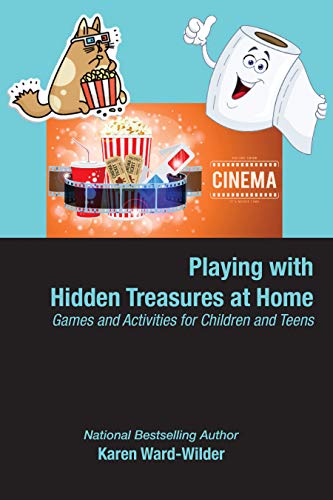
Playing with Hidden Treasures: Games and Activities for Children and Teens

Written by Karen Ward-Wilder

This book is a compilation of games and activities that parents can enjoy with children. It employs common household materials like vinegar, paper, pencils, photos, ribbon, paper plates, and water to develop and enhance skills.

The activities involve memory, communication, math skills, listening skills, spatial orientation, music, movement, personal hygiene, and sensory awareness. Here is one example, dancing, and singing to the music of different generations. Each player selects two or three songs and writes the names on paper. Mix up papers on the table. Each player selects dances and/or sings that song, receiving points for being able to do so. Adults and children learn about each other’s music.

Adults and older siblings may need to supervise younger children in some of these activities. This book offers many opportunities for family-sharing while staying inside during the Covid-19 pandemic.

If you enjoyed reading this post, please subscribe by clicking on the word Follow or by hitting the orange RSS FEED button in the upper right-hand corner of this page.