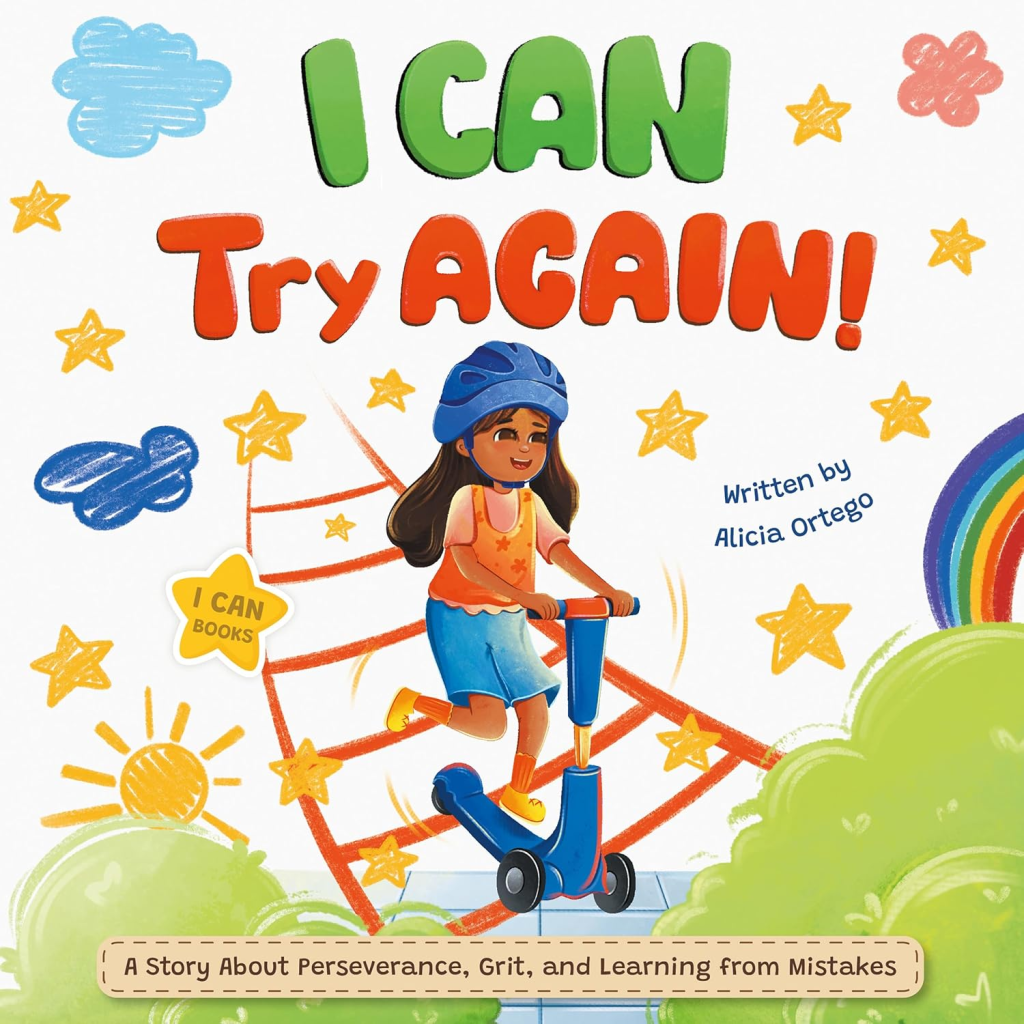
I Can Try Again: An Inspiring Story for Kids About Perseverance, Grit, and Learning From Mistakes for Ages 4–8 (I Can Books Book 6)
Written and illustrated by Alicia Ortego
Another picture book in this charming series about Mia and life lessons.
The lesson in this book for early elementary readers is that perseverance pays off. Once again, Mia has her mother’s support. Mia realizes that we can learn from our mistakes and use them as stepping stones, practicing in small steps until the goal of mastery is achieved. Whether the goal is learning how to jump rope or mastering the sequence of steps in a dance, Mia discovers the importance of patience and perseverance. She comes to understand the true value of resilience.
This book also contains interactive activities and thoughtful questions that encourage readers to apply the valuable lessons Mia shares in their own lives.
SUBSCRIBE TO THIS BLOG FOR NEW BOOK REVIEWS EVERY WEDNESDAY AND SUNDAY.
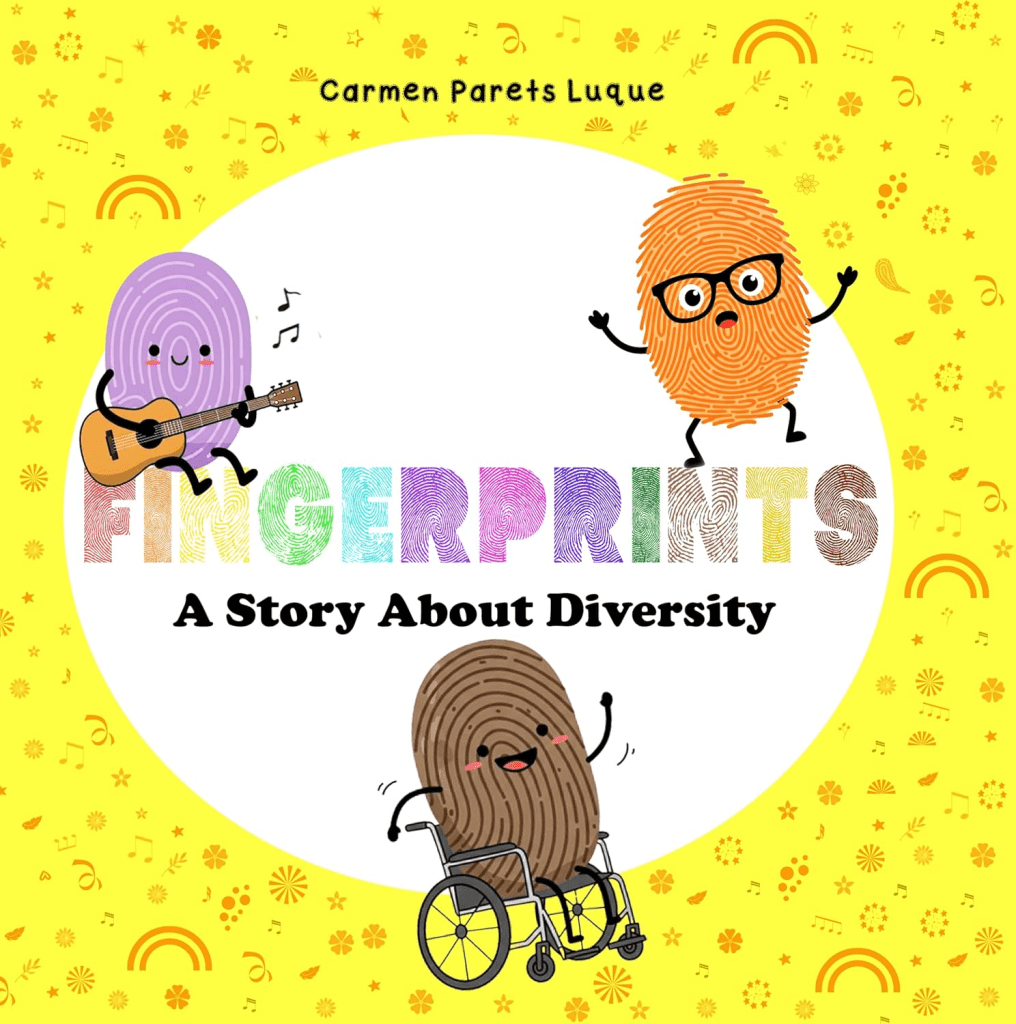
Fingerprints: A Children’s Picture Book About Diversity, Respect, and Inclusion (Diversity & Inclusion Series)
Written and illustrated by Carmen Parets Luque
A unique picture book that teaches children that our differences are our most valuable asset.
Many of the illustrations feature fingerprint characters. Every person has a unique fingerprint. The world’s people are of different ages, colors, and skin colors. We speak different languages, dress differently, and live in different types of habitats. Our ability to learn in different ways and demonstrate talents in unique areas leads us to appreciate diversity.
This book is a wonderful way to teach acceptance and the need to use our differences to build a stronger world together.
Recommended for preschool and primary grade readers.
SUBSCRIBE TO THIS BLOG FOR NEW BOOK REVIEWS EVERY WEDNESDAY AND SUNDAY.
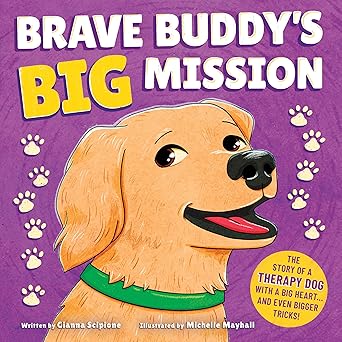
Brave Buddy’s Big Mission: The story of a therapy dog with a big heart… and even bigger tricks!
Written by Gianna Scipione
Illustrated by Michelle Mayhall
Buddy is a therapy dog who loves to visit the children at the hospital with his owner, Miss Emma.
One day, Buddy meets a young boy named Leo. Buddy does his best to cheer him up, but nothing seems to work. After many strategies fail, Buddy manages to get a response from Leo. Kindness, patience, and resilience allow Buddy to become a friend to Leo.
This book contains simple illustrations and rhyming verse. Although the rhymes are not perfect, the book’s message is noteworthy and heartwarming.
This picture book explores the special bond between animal and child. It is an excellent read-aloud choice for preschool and primary grade children.
SUBSCRIBE TO THIS BLOG FOR BOOK REVIEWS EVERY WEDNESDAY AND SUNDAY.
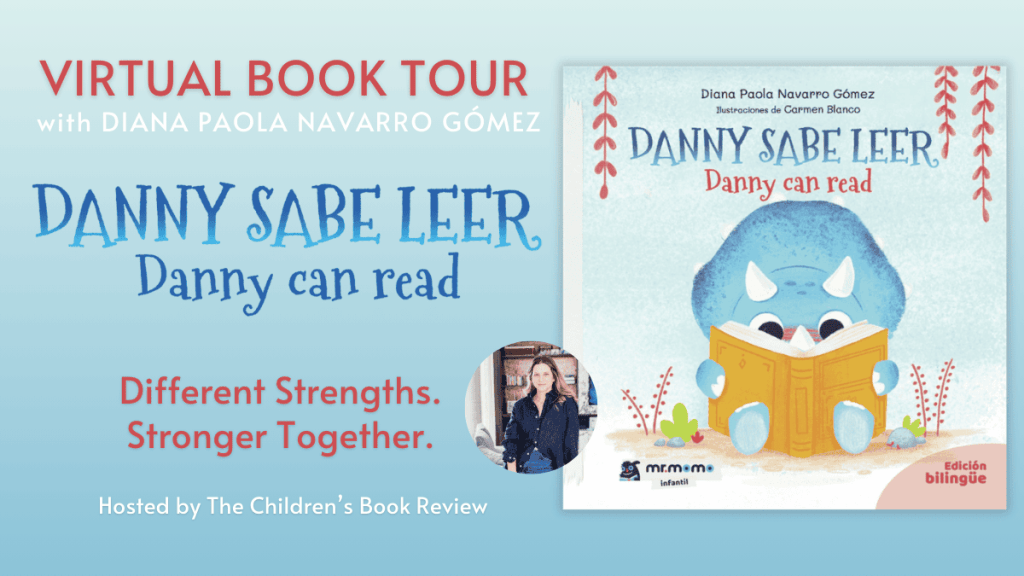
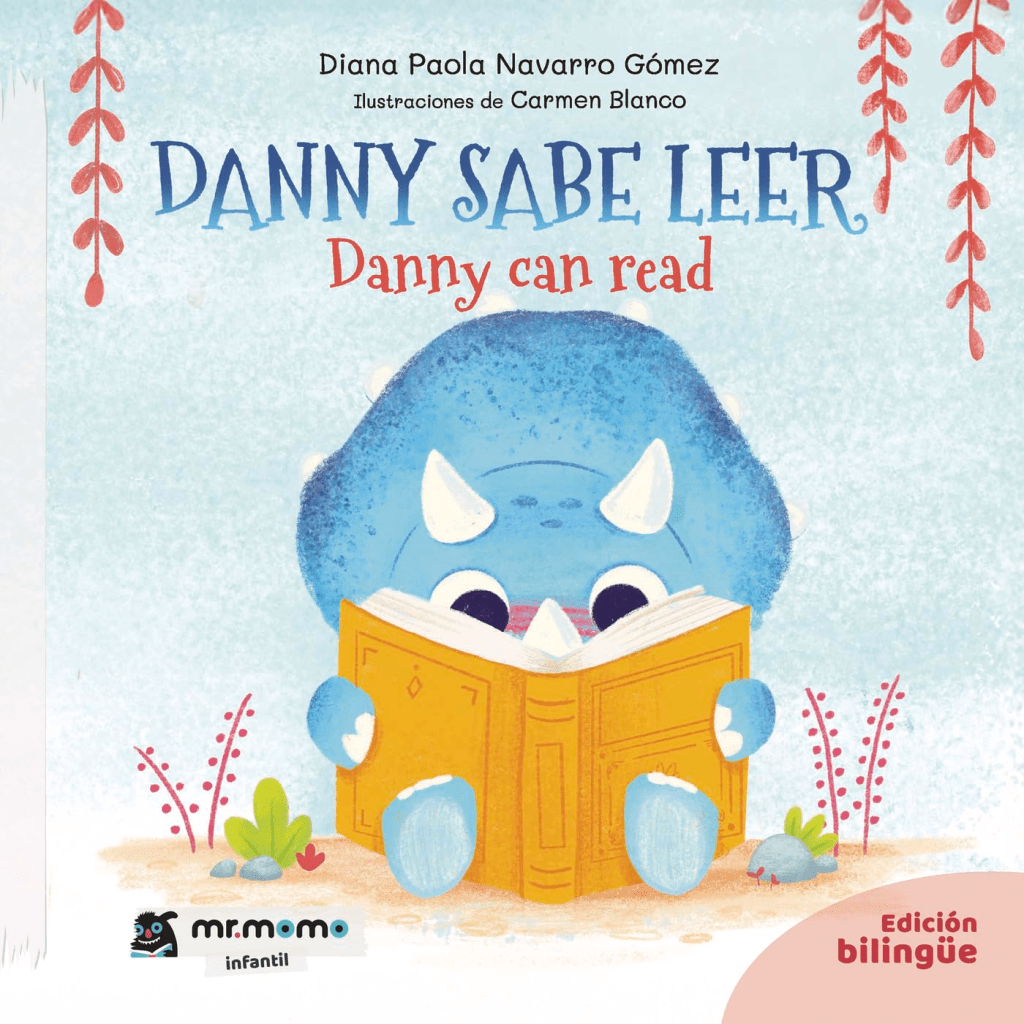
Publisher’s Book Summary: Danny Can Read is a bilingual (English–Spanish) picture book that celebrates the magic of reading and the power of learning at your own pace. Dinosaur siblings Danny and Lily discover that their talents shine in different ways — and that they shine the most when they work together. Through a warm, engaging story designed for read-alouds, children explore big feelings like frustration and comparison, practice empathy, and build confidence as they see that differences aren’t obstacles — they’re strengths. Perfect for ages 4–8, ideal for bilingual families and for readers learning English or Spanish.
Diana Paola Navarro Gómez is a Colombian children’s book author and mother of twins, who inspire the heart of her stories. She writes bilingual picture books grounded in real moments from family life — everyday situations transformed into relatable narratives for young readers. Her debut title blends early literacy with social-emotional learning, encouraging confidence, empathy, and patience as children navigate frustration and grow at their own pace.
This bilingual book contains text in Spanish and English on each illustrated page. The characters are a dinosaur family consisting of siblings Lily and Danny, their parents, and a pet parrot named Poli. Lily and Danny are close. They enjoy singing, dancing, and picnicking together. One day, Danny puts the letters of the alphabet together and discovers words. He puts the words together and learns how to read.
Suddenly, his relationship with Lily changes. She becomes jealous of Danny because he spends all his time reading stories about adventures. While Lily knows her alphabet, she cannot read. Can their former close relationship be restored?
Lily possesses a talent that Danny will discover he cannot do without. The dinosaur siblings learn that differences make them stronger when they work together. This book teaches young readers that courage, kindness, and resilience lead to successful accomplishments.
The book is a wonderful resource for bilingual families and classroom teachers.
Friday, April 10, 2026@books.with.courtneyInstagram Post about Danny sabe leer / Danny can read
Monday, April 13, 2026Get Outside and ReadInstagram Post about Danny sabe leer / Danny can read
Tuesday, April 14, 2026Book Zone ReviewsBook Review of Danny sabe leer / Danny can read
Wednesday, April 15, 2026@avainbooklandInstagram Post about Danny sabe leer / Danny can read
Thursday, April 16, 2026Un Viaje en LibroBook Review of Danny sabe leer / Danny can read
Friday, April 17, 2026Deliciously SavvyBook Review of Danny sabe leer / Danny can read
GIVEAWAY
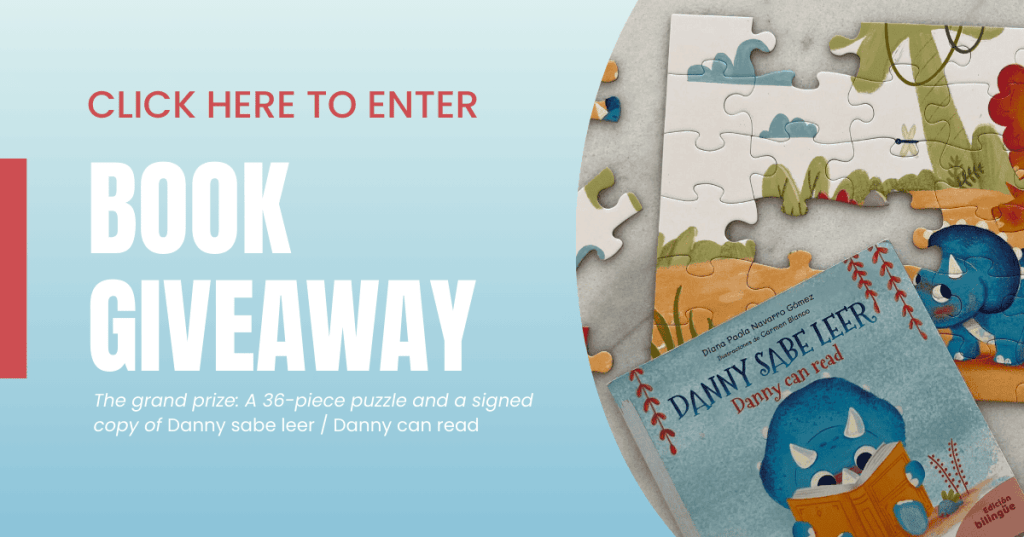
Enter for a chance to win one of three signed paperback copies of Danny sabe leer / Danny can read! One grand prize winner will also receive a 36-piece puzzle inspired by the book along with their signed copy. Giveaway ends April 20, 2026, at 11:30 PM Mountain Time.CLICK ON THE LINK BELOW THE PICTURE.
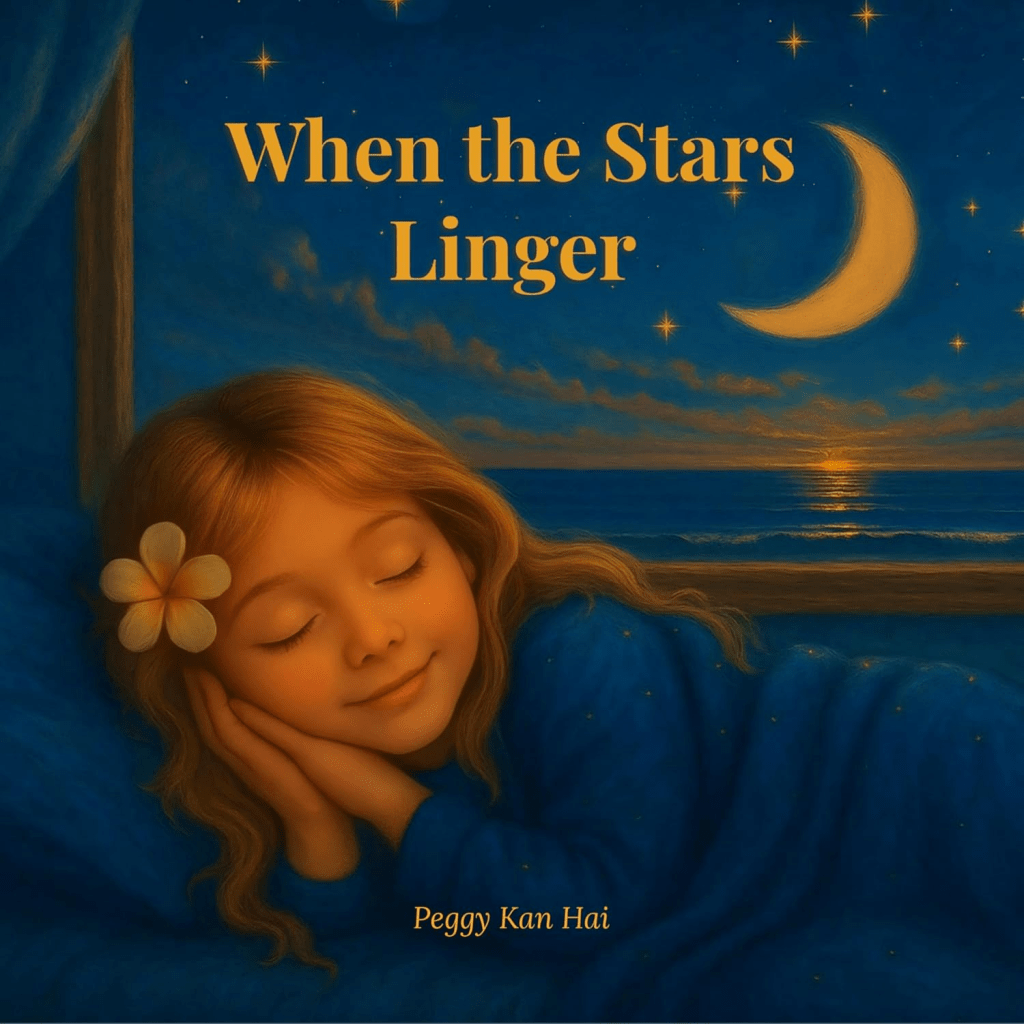
When the Stars Linger: A Soothing Children’s Bedtime Story About Love, Belonging, and Peaceful Sleep
Written and illustrated by Peggy Kan Hai
The perfect bedtime story to calm, soothe, and prepare children for a reassuring night’s sleep. Each page contains a short rhyming text, beautiful, animated images, and a message to reassure young, active minds.
This book is a feast for the eyes and the mind. The words and images flow together seamlessly. Adults will find reading it a joy and comfort as well. Its message is timeless.
An excellent choice for teachers, parents, and librarians. One of those rare books you will want to open and read over and over.
SUBSCRIBE TO THIS BLOG FOR NEW BOOK REVIEWS EVERY WEDNESDAY AND SUNDAY.
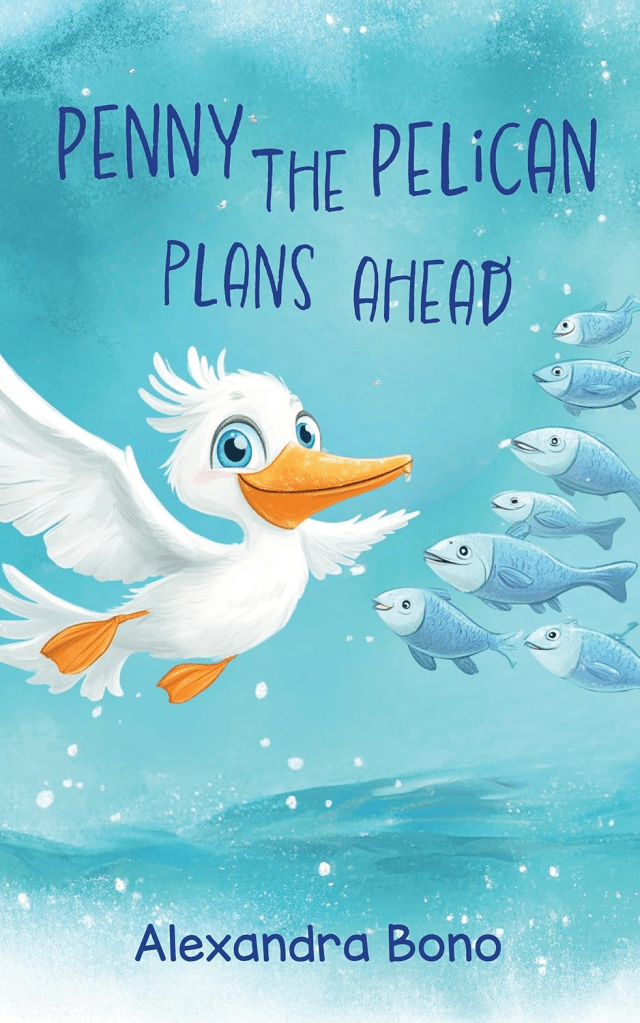
Penny the Pelican Plans Ahead: A Tale of Saving Smart
Written and illustrated by Alexandra Bono
I loved this lovely, illustrated rhyming book that offers children wonderful life lessons.
Penny the Pelican is thrilled to learn that her mother is expecting. She decides to plan by thinking not only about today’s needs, but also about saving and investing for the future. So Penny gathers resources in three piles.
The illustrations are large and appealing, the alliterative rhymes crisp and sharp. Lessons include kindness, family love, goal setting, and financial literacy
I highly recommend this fun read-aloud for children ages three and older.
SUBSCRIBE TO THIS BLOG FOR NEW BOOK REVIEWS EVERY WEDNESDAY AND SUNDAY.
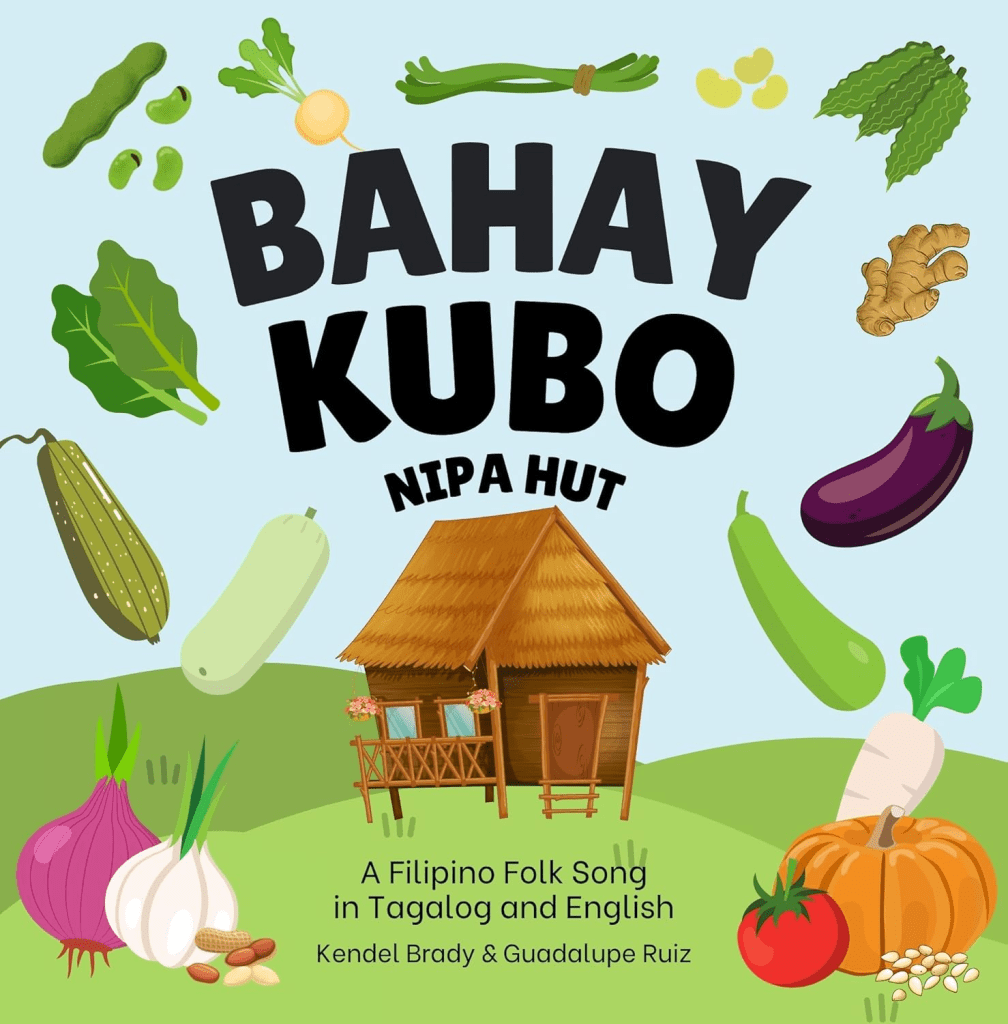
Bahay Kubo, Nipa Hut: A Filipino Folk Song in Tagalog and English
Written by Kendel Brady and Guadalupe Ruiz
A delightful picture book for toddlers and primary-grade readers. This is a bilingual book that contains Tagalog and English on each page, with large illustrations to explain vocabulary. Readers learn about the plants native to the Philippines.
As a bonus, the author includes a native folk song. There is an interactive memory game available for download.
Especially appealing for toddlers and early primary grade readers.
SUBSCRIBE TO THIS BLOG FOR NEW BOOK REVIEWS EVERY WEDNESDAY AND SUNDAY.
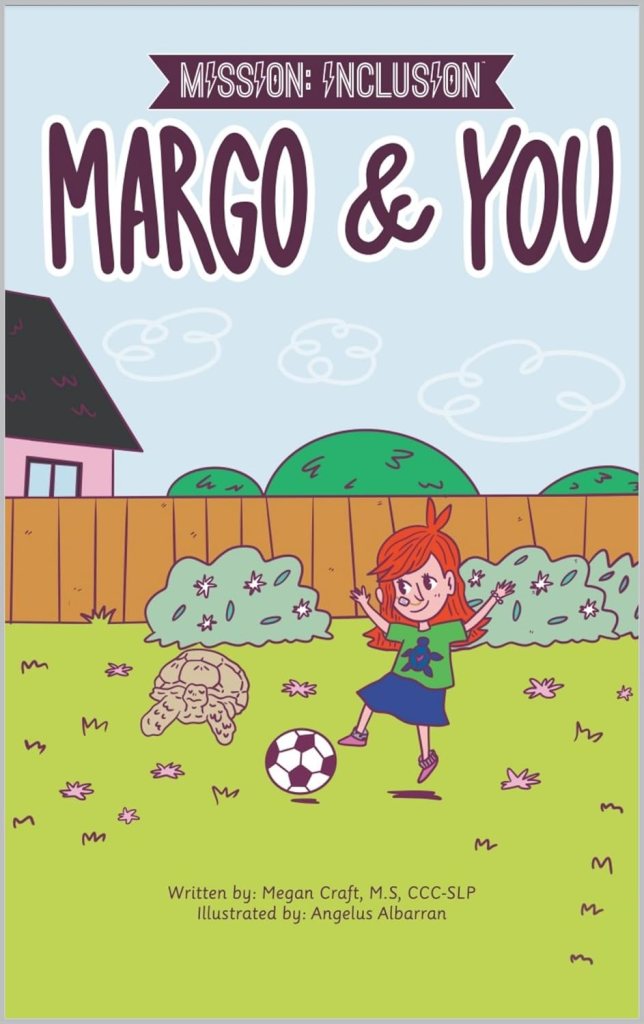
Mission Inclusion: Margo And You (Mission: Inclusion Book 1)
Written by Megan Craft
Illustrated by Angelus Albarran
A wonderful book that explains to young children how we are more the same than different.
Margo is a young girl with a feeding tube. While she enjoys eating and playing like “normal” children, Margo may do these things differently from the average child.
I liked the fact that the author, who is a speech therapist, includes interactive questions throughout the story for readers to answer. We need more books to explore children with different types of disabilities and how they share a lot more in common with the general population than differences.
Highly recommended for parents and teachers to educate and encourage tolerance for special needs children.
SUBSCRIBE TO THIS BLOG FOR BOOK REVIEWS EVERY WEDNESDAY AND SUNDAY.
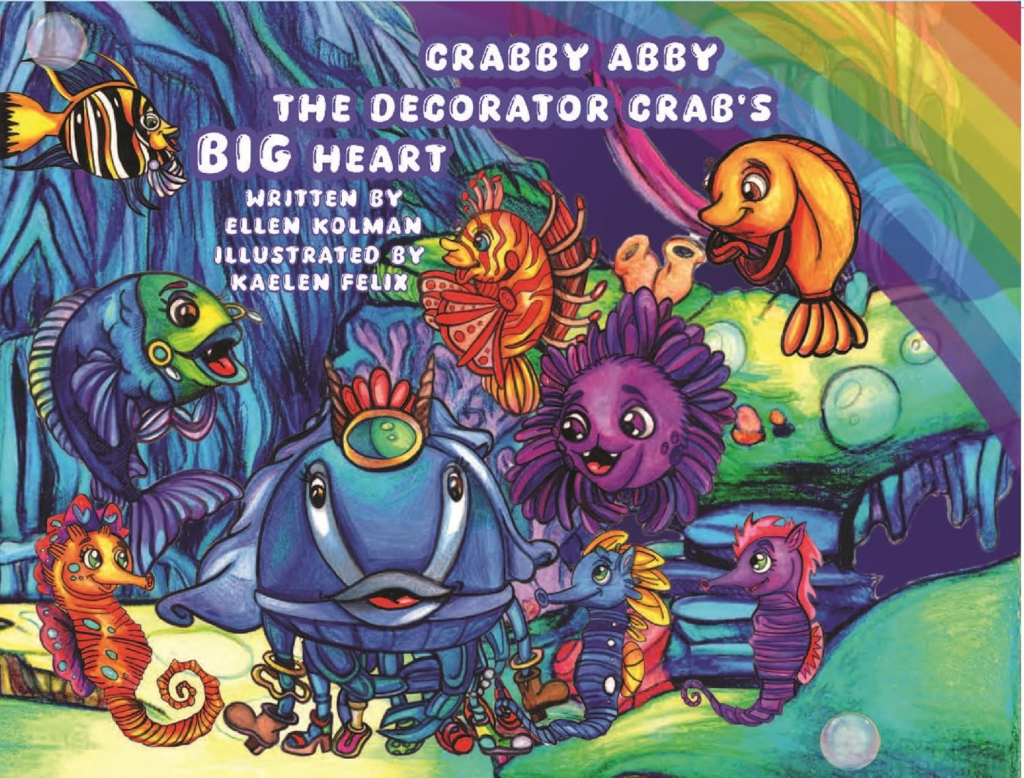
Crabby Abby has recently moved to Ruby Reef. She is about to begin her first day at a new school.
Crabby is nervous but determined to be kind and cheerful. Soon, her worst fears materialize. Because Crabby is a decorator crab, she likes wearing odd clothes and accessories. The other sea creatures enjoy poking fun at her. Crabby manages to find one friend in Daniel who understands her predicament.
The artistic layout and bright colors of the illustrations in this book enhance the story. Vocabulary is challenging and alliteration makes this one a fun read-aloud choice. The lessons of kindness, sharing, and being true to oneself are valuable. There is a Christian focus with some Biblical references.
This book is appropriate for both elementary and early middle-school age readers.
SUBSCRIBE TO THIS BLOG FOR NEW BOOK REVIEWS EVERY WEDNESDAY AND SUNDAY.
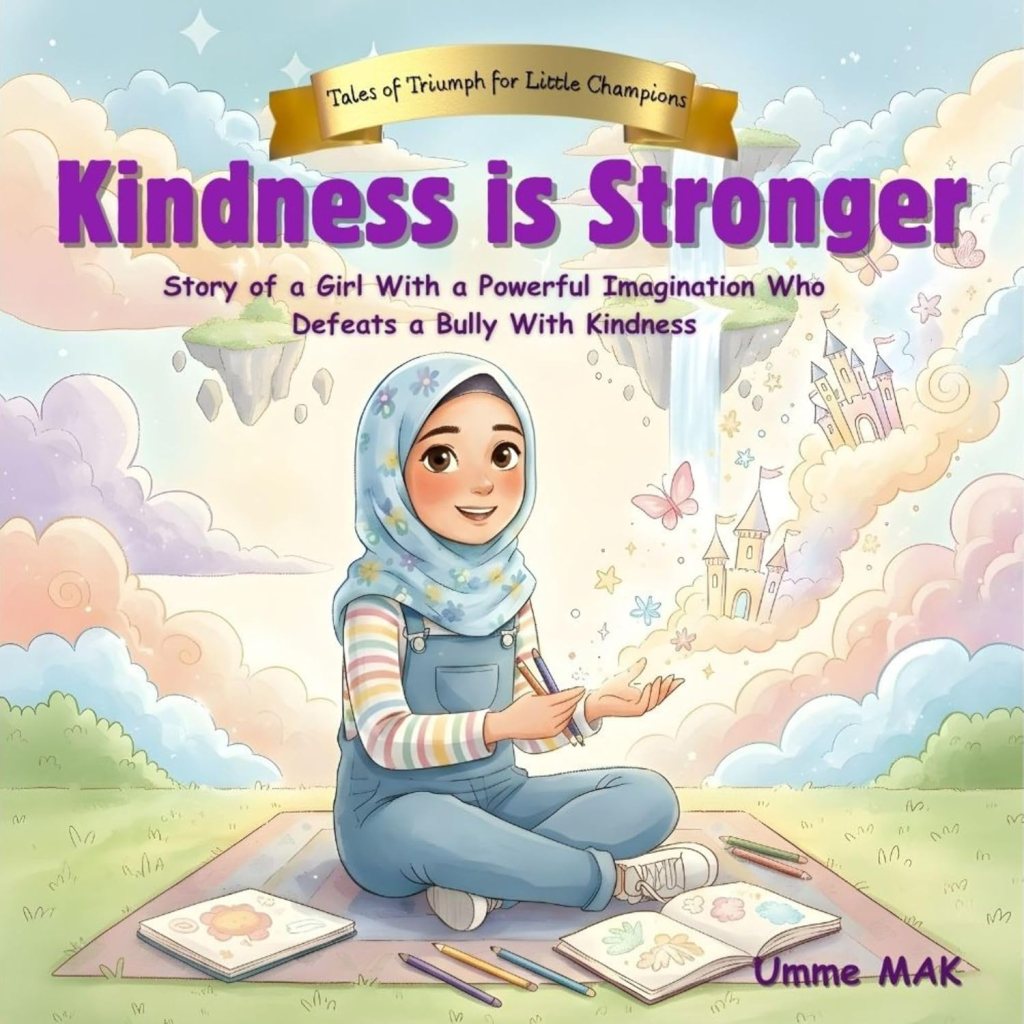
Kindness is Stronger | Tales of Triumph for Little Champions: A Girl With a Powerful Imagination Who Defeats a Bully With Kindness | Story for Kids about Self-Control, Inner Strength and Compassion
Written and Illustrated by Umme MAK
This book is part of a series to teach children about themselves.
Kadijah is a child who possesses a powerful imagination. She illustrates wonderful stories. Mike is the class bully. He uses his size and strength to control the other children.
One day, Kadijah is confronted by Mike while drawing in her notebook. She is upset but unafraid. Kadijah decides rather than cower, she will find a way to change Mike’s behavior with kindness. For a time, she is unsuccessful. Gradually, Kadijah teaches Mike how to understand his actions and find the strength to change his behavior.
The author uses large print for easier reading, but also a chapter format that allows children to imagine they are experienced readers. Bonus features include coloring pages and bookmarks.
A worthwhile series to educate and inspire students in the primary grades.
SUBSCRIBE TO THIS BLOG FOR NEW BOOK REVIEWS EVERY WEDNESDAY AND SUNDAY.
 April 5, 2026
 bamauthor



 Barbara Ann Mojica's BLOG
You must be logged in to post a comment.