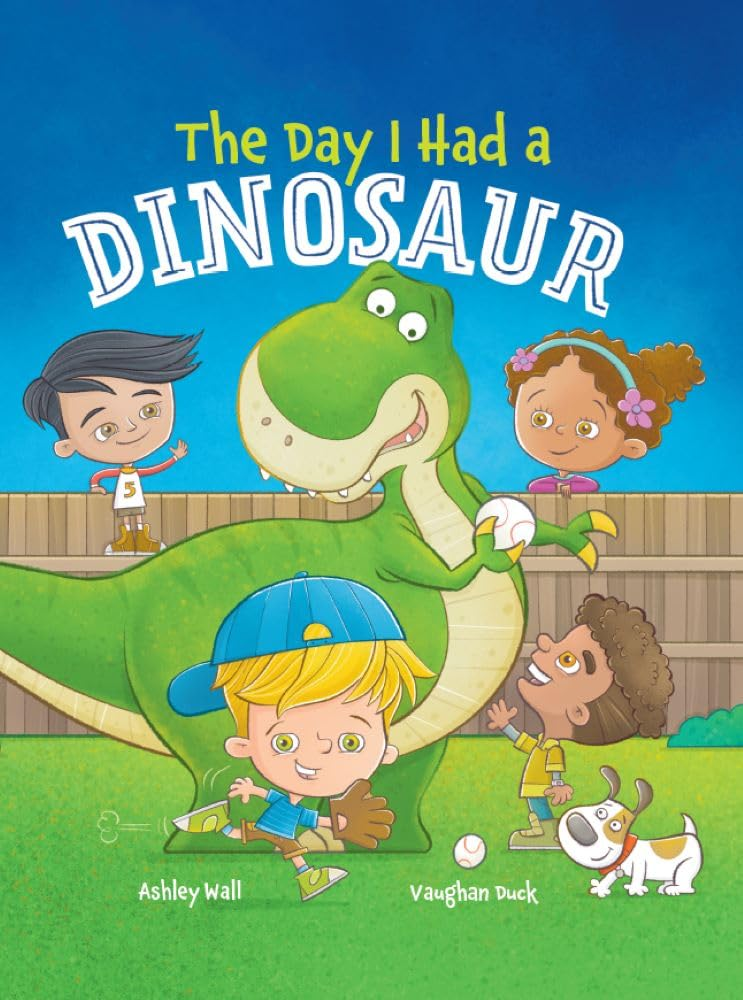
A fun picture book to delight young dinosaur fans.
Luke is playing in his backyard when dinosaurs suddenly appear. He and his friends spend the day playing with several different types of dinosaurs giving young readers a lesson about them. The children go to the playground, play catch, play hide and seek, and share dinner with their new friends.
The children encounter some difficulties playing with their unique new friends. They must learn teamwork and cooperation to accommodate their dinosaur friends’ needs. The book teaches these lessons as well as empathy and the value of friendship.
Preschoolers may find the book a bit difficult but the illustrations fill in the gaps. Probably better suited to kindergarten and primary grades.
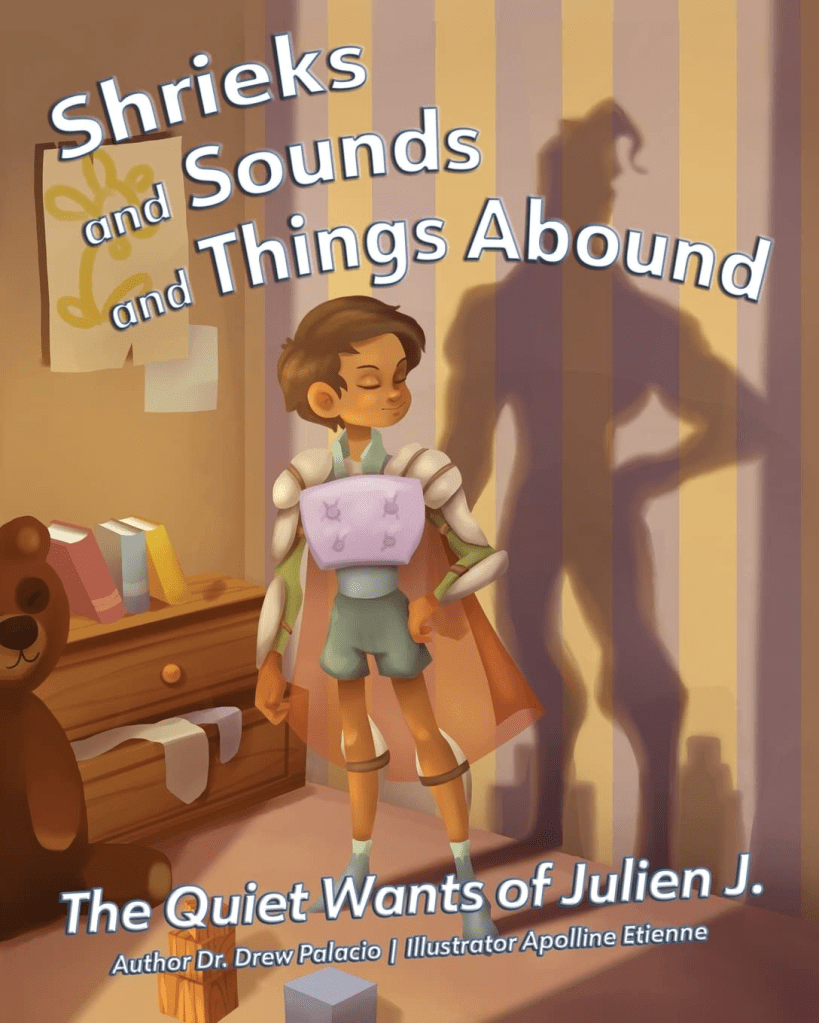
Shreiks and Sounds and Things Abound:The Quiet Wars of Julien J.
Written by Dr. Drew Palacio
Illustrated by Etienne Apollinne
Julien sits under the shade of a tree reading his comic book about his favorite superhero, but distractors keep getting in the way. Julien’s frustration escalates. Suddenly an amazing figure appears to offer some good advice that young readers might follow to release themselves from the anger engendered by minor frustrations.
The rhyming picture book draws readers into the emotions felt by Julien in the tale. Even adults can relate to how easily common frustrations arise within us to create uncontrollable feelings. This story uses a superhero to teach a valuable lesson on how to control our emotions.
Recommended highly to parents and teachers who are searching for an effective approach to help young children reign in harmful emotions that lead to frustration.
An interesting picture book that explains how to use self-talk to respond to the flood of emotions a child experiences everyday.
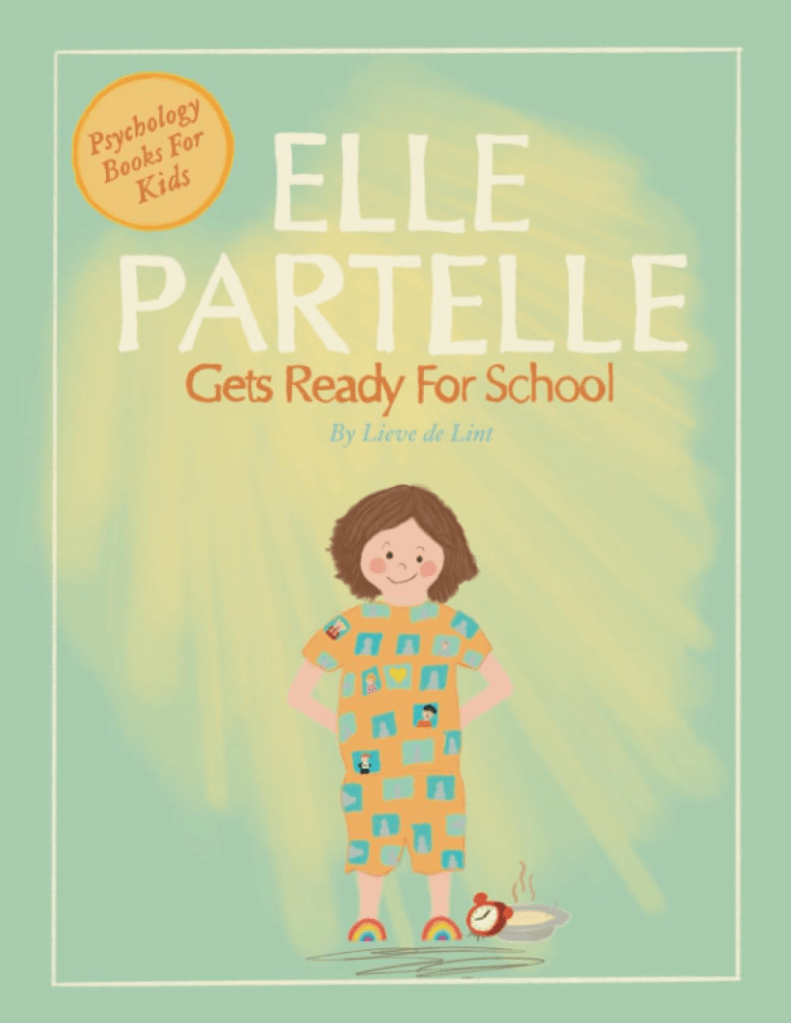
A little girl named Elle wakes up on a Monday and prepares to get ready for school. Her mind races with a bunch of different scenarios as she tries to sort things out.
The colorful illustrations assist in identifying each situation.
While the book is targeted for ages three through five, I believe it might be more beneficial for children a bit older.
SUBSCRIBE TO THIS BLOG FOR NEW BOOK REVIEWS EVERY WEDNESDAY AND SUNDAY.
A beautifully crafted, multicultural picture book with a message of unconditional love for a child.
The author and illustrator have put together this message that expresses the unconditional love of a parent for a child who is also a child of God. This book also illustrates the life cycle and contains quotes from the Bible. As such, it conveys the message from a Christian viewpoint.
This book is a beautiful gift for a prospective parent or the perfect read aloud for a family expecting a new member. Recommended for readers from toddler to elementary school age.
SUBSCRIBE TO THIS BLOG FOR NEW BOOK REVIEWS EVERY WEDNESDAY AND SUNDAY.
Furry Fighters to the Rescue: How to Stop Feeling Angry Kids Book
Written by Lieve de Lint
Illustrated by Debby Rahmalia
A brilliantly vivid picture book to help preschool and primary grade children deal with feelings of anger.
They learn to face their feelings by identifying with furry, firefighting creatures who team up to identify and analyze their strong feelings and get them under control.
A good resource for parents, teachers, and counselors who work with children experiencing anger issues.
SUBSCRIBE TO THIS BLOG FOR NEW BOOK REVIEWS EVERY WEDNESDAY AND SUNDAY.
Publisher’s Book Summary: This is the story of Webster the beagle and his adventures at the Rappahannock River, whose tale of hope will inspire you to never give up on your dreams. Sometimes, we think we’re lost when, really, we’re just hoping to be found.
Frank Payne’s energy and enthusiasm are contagious, so dog breeds such as beagles and Labradors are a perfect fit for him. He is an avid hunter, tennis player, and fan of all things James Madison University. Frank is also active in his community and enjoys exploring new ventures—from owning racehorses to oyster farming.
Frank is vice president and a minority owner of PD Brooks Company Inc., a traffic control company in Richmond, Virginia. He lives in Richmond with his wife, Caren, and their two dogs: Billy, the beagle, and River, the black Labrador retriever. On July 1, 2022, Frank adopted Billy the beagle from Richmond Animal Care Control (RACC). Billy was one of over four thousand beagles rescued from Envigo and adopted across the country. RACC was instrumental in protecting and fostering many of the beagles in Virginia.
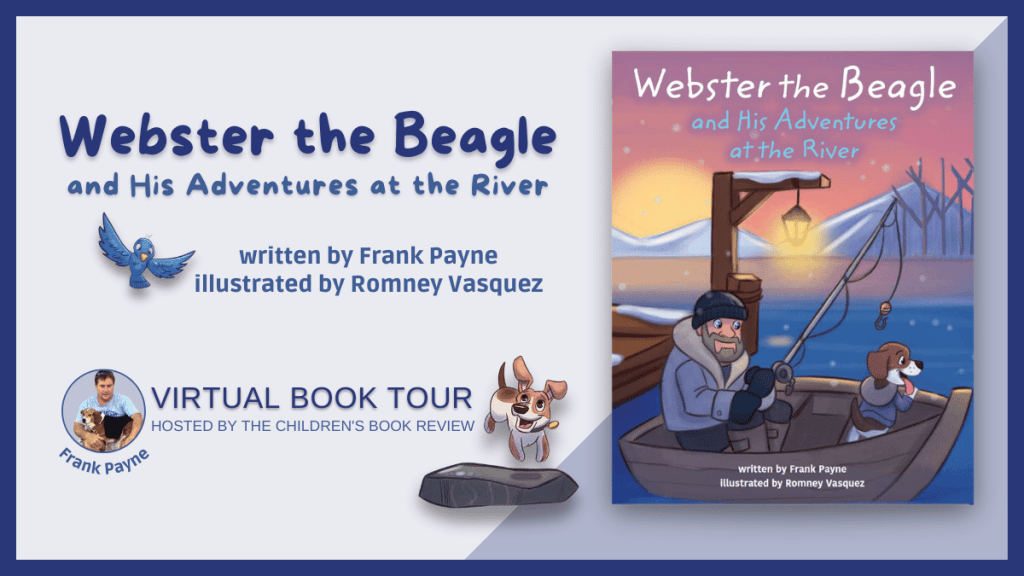
Webster the Beagle and His Adventures at the River
Written by Frank Payne
Illustrated by Romney Vasquez
This picture book adventure features a beagle named Webster who narrates his adventures from season to season along the Rappahannock River in Virginia.
Webster is a lovable beagle who especially enjoys meeting the creatures who inhabit the river. In the spring, he meets the ospreys who return to make their nests and raise their young. Summer finds him accompanying his master to go crabbing. In the fall, they harvest oysters from the river. Winter finds them bundling up to fish for rockfish. When not cruising down the river, Webster enjoys life at home with his friendly neighbors and his brother and family member, River, a black labrador retriever.
The illustrator presents vivid multicultural images that portray the emotions and mood of the tale. Payne introduces the young reader to a plethora of information about each of the creatures that inhabit the river. This book is a good jumping off point to encourage a child to explore them in greater detail. Also, the author donates part of his sales from the book to charity, which provides a good example to his primary grade reading audience.
GIVEAWAY
Enter for a chance to win a free signed copy of Webster the Beagle and Webster the Beagle and His Adventures at the River.
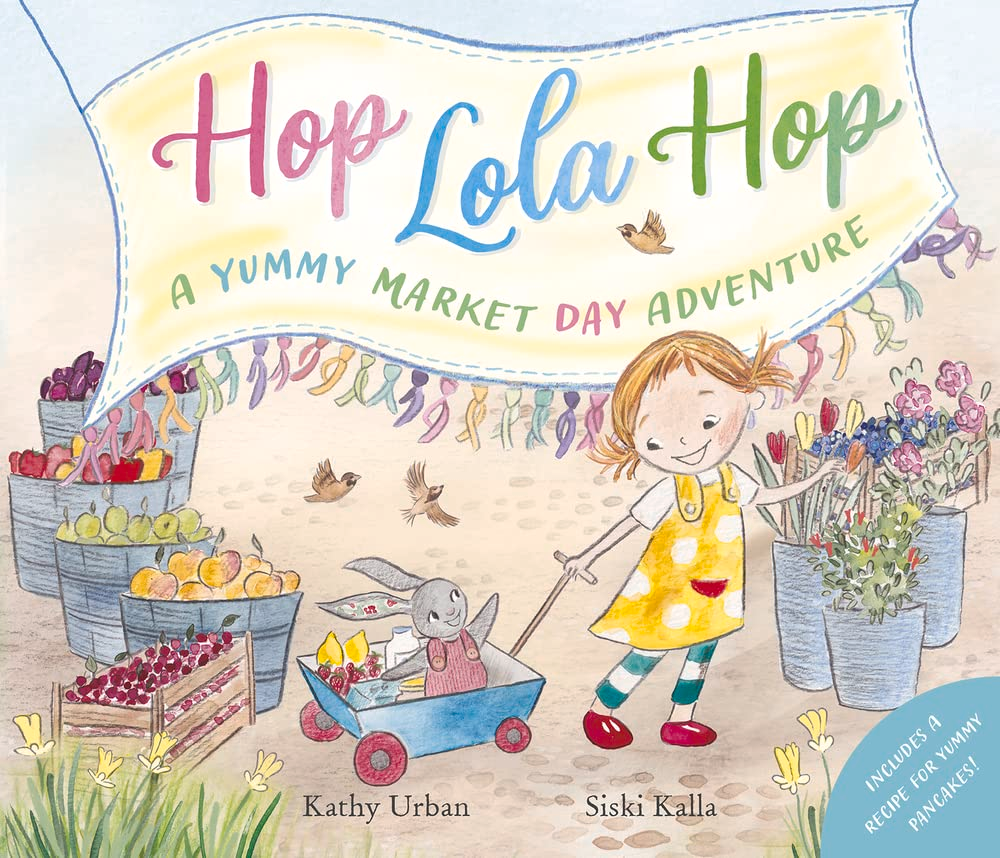
A lovely picture book with illustrations done in soft pastel colors that have a timely, vintage appeal.
This book will especially appeal to toddlers and preschoolers who have a favorite stuffed toy or imaginary friend. Ella is a little girl who has a stuffed bunny named Lola. They go everywhere together. One day a picnic is planned so Ella, Lola, and mom go to the market to gather their supplies. Now Lola is a bit too adventurous and often gets carried away. Ella and her mother are distressed when Lola disappears. Will they find her? Will the picnic be cancelled?
This beautiful picture book is a good choice for a read aloud or bedtime story.
SUBSCRIBE TO THIS BLOG TO GET NEW BOOK REVIEWS EVERY WEDNESDAY AND SUNDAY.
Good Evening, Good Evening: Mindfulness and Affirmations for Babies and Kids.
Written by Kaarjal Agnani
Illustrated by Ekta Makhijani
This is a sweet rhyming picture book for toddlers and preschoolers. It contains short affirmations connected to evening that will calm them down and prepare them for bed, while reminding them of the many beautiful images associated with winding down at the end of the day.
Recommended for children ages two through five to be read aloud as a bedtime lullaby.
SUBSCRIBE TO THIS BLOG FOR NEW BOOK REVIEWS EVERY WEDNESDAY AND SUNDAY.
Navigating the Middle School Transition: A Parent’s Guide
IS YOUR CHILD ANXIOUS ABOUT ENTERING MIDDLE SCHOOL?
Saying Goodbye to Elementary School
Transitioning from the familiar environment of elementary school can be challenging for some children. Kathy Glass, a former middle school teacher and author specializing in curriculum and instruction, notes, “Children often spend several years at their elementary school, making it feel like home. When multiple elementary schools merge into a single middle school, it can be socially overwhelming, potentially straining old friendships and fostering new ones.”
Embracing Independence and Organization
Middle school demands greater independence and organizational skills from students. “Unlike the single, self-contained classrooms of elementary school, middle school students rotate through different classes with various teachers, each with unique expectations. This can be daunting for some children,” explains Glass.
As a parent, you can offer support by listening, sympathizing, and guiding your child through this transition while clearly communicating the importance of focusing on schoolwork and succeeding academically.
SEVEN STRATEGIES TO KEEP YOUR CHILD ON TRACK
Provide Hands-On Guidance
Advocate for your child with teachers, counselors, and school staff.
Monitor homework, asking guiding questions like:
What information do you need for this assignment?
Where will you look for it?
What steps will you take next?
Assist with Organization
Help your child develop a system for managing important papers.
Use binders with folders for completed and returned work.
Ensure your child uses a planner to track assignments and deadlines.
Communicate with Teachers
Discuss any organizational challenges with your child’s teachers or school counselor.
Brainstorm solutions together.
Teach Time-Management Skills
Reinforce the habit of referring to a planner regularly.
Break down large assignments into manageable tasks.
Help your child estimate how long each task will take and create a realistic schedule.
Develop Note-Taking Skills
Encourage starting a new page for each class daily, using key words and abbreviations.
Review notes after class to ensure accuracy.
Teach your child to take notes from reading assignments by pre-reading to grasp main themes.
Hone Study Skills
Encourage active learning techniques such as highlighting, making study cards, and diagramming concepts.
Identify the best study times for your child and establish consistent study habits.
Use mnemonic devices to aid memorization.
Engage with Teachers
Address specific teacher-related challenges through communication.
Ensure your child understands each teacher’s expectations and homework policies.
Seeking Extra Help
If your child continues to struggle, consider hiring a tutor. Literacy coach Laura Hendrick advises, “Middle schoolers still need parental support, both academically and emotionally. Be firm and establish accountability measures.”
Reading Tips for Middle Schoolers
To become a successful reader, students should:
Maintain an organized home study space.
Practice reading daily.
Use textbook headings and questions to guide comprehension.
Advice for Parents
High school teacher Lance Balla suggests:
Understand your child’s learning style and provide a conducive study environment.
Stay engaged with teachers and monitor your child’s progress regularly.
Foster a college-going culture and model enjoyable reading habits.
Encourage your child to read newspapers and discuss their learning content, focusing on understanding rather than grades.
An illustrated chapter book that delivers an important message for tweens and teens. You cannot judge a book by its cover.
Sahana and her sister, Surabhi, have just moved to a new town in India. They eagerly anticipate the first day in a new school. Sahana will enter seventh grade and Surabhi, the third grade.
The sisters share much in common, but there is one significant difference. Sahana has a dark complexion. When the sisters learn about an interclass dance competition, both want to participate. Despite the fact the sisters both excel in dancing, Sahana is denied a spot in the competition; she hears the snickering and understands why she has been excluded.
Sahana’s mother explains that much in life is unfair, and sometimes one needs to find a different path to success. It turns out Surabhi gives Sahana an opportunity to prove herself and to teach her classmates an important lesson.
Highly recommended for preteens and teens who face similar issues and difficulties in social situations.
SUBSCRIBE TO THIS BLOG TO RECEIVE NEW BOOK REVIEWS EVERY WEDNESDAY AND SUNDAY.


 September 4, 2024
 bamauthor
 Comments Off on Dinosaurs Make New Friends










 Barbara Ann Mojica's BLOG
You must be logged in to post a comment.