This report includes nine powerful tips and three actionable steps you can take right away.
It also includes a list of suggested reading for those who are looking for even more information.
TOP TIPS
When you think of spring-cleaning, you probably think of the time of year where you go all out cleaning up your house. You know the time you move the fridge and sweep out all the nooks and crevices. What if you took that same idea, but instead of cleaning your physical surroundings, you tidied up your life? If you don’t quite understand what that means, here are nine examples that can get you started.
Take Stock
Before you start to spring-clean your life, you should take careful stock of how you are currently doing. Do you have goals? How are they going? Are there any areas of your life you’d like to change up? Taking stock of where you are at will help you direct your energy where it’s needed.
Clean Up Your Relationships
Do you have any toxic relationships? Maybe it is time to part ways with these people. If the people in your life don’t cheer you up, lift you up or build you up, why are they in your life anyway?
Tidy Up Your Habits
It might be time to clean up those bad habits of yours. Bad habits add up over time and cost you in the long run. If you feel like you already do a good job of that, focus on building some new positive habits.
Clear Your Mind
We all got a lot going on in our heads. Maybe you should take some time to clean things up a bit. Developing a daily meditation practice is a great way to clear your mind. You might also try journaling. Getting those thoughts spinning around in your head onto paper can make a world of difference.
Unplug
Technology is great, but sometimes we need to unplug and live in the moment. Don’t be afraid to prune some of our social media accounts. Aim to spend less time on your devices and more time just taking in the world around you.
Refresh Your Fitness Routine
Has your fitness routine got boring or stale? Do you even have a fitness routine? Why not shake things up? Spring-cleaning is all about out with old and in with the new. Find a new exercise, sport, or activity that gets you excited, and try to fit it into your daily routine.
Sort Your Diet
A great way to tidy up your life is to clean up your diet a bit. Think about adding more natural whole foods and cut down on your guilty pleasures. Find a healthy way of eating that you can sustain.
Organize Your Workspace
This is almost real spring-cleaning! Organizing your workspace is a great way to boost your productivity and get more excited about working in general. Reorganizing is less about cleaning and more about making sure every item has its space and every space has a purpose.
Rearrange Your Goals
For the vast majority of people, some of their goals work out, and some don’t. This is why it’s important to adjust your goals once in a while. Figure out what is working, and double down on that. Find out what isn’t working, and figure out why. Make it a regular practice to check in on your goals.
ACTIONABLE STEPS
Reflect on the past year of your life. Make a list of things that worked and another list of things that didn’t. This will help you direct your “cleaning” efforts.
Tidy up your social media by unfollowing the people who constantly annoy or push your buttons. Think about who matters to you, and unfollow those that don’t.
Schedule your spring-cleaning time into your calendar. Choose a few days over the upcoming weeks to focus solely on tidying up your life.
FURTHER READING
Winning the War in Your Mind: Change Your Thinking, Change Your Life
30 Days – Change your habits, Change your life
Change Your Schedule, Change Your LIfe
Make Your Bed: Little Things That Can Change Your Life
Subscribe to this blog for tips, resources, book reviews, and news you can use.
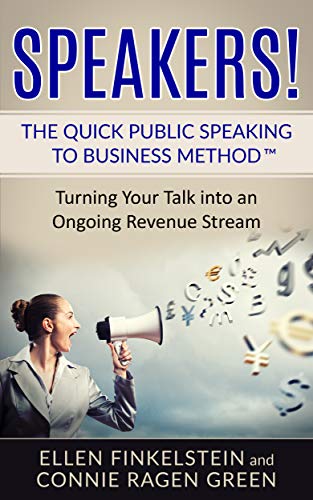
Speakers! The Quick Public Speaking to Business Method: Turning Your Talk into an Ongoing Revenue Stream
Written by Ellen Finklesteinand Connie Ragen Green
The only course you will ever need if you are just starting out in business or want to incorporate speaking into your business as an effective tool.
While I have followed both of these authors in blog articles and videos, this book brings all the tools together in one place. It is easy to read, follow, and implement.
As a historian, I appreciated the section on the history of public speaking because one must know where something comes from and how it evolved in order to understand its role in our lives today. Readers are taught how to choose appropriate topics, set goals, find audience niche, and then use public speaking as a means to create an ongoing revenue stream for a business.
The authors discuss the importance of influencer relationships, creating funnels, and the various ways to transmit your talk. Then there is the art of storytelling and the types of stories you can use in public speaking.
The book creates a feeling of joy and optimism that will incentivize the reader to jump in and seize the opportunities offered by public speaking.
I highly recommend this guide to anyone at all curious about public speaking.
SUBSCRIBE TO THIS BLOG FOR NEW BOOK REVIEWS EVERY SUNDAY AND WEDNESDAY.
Do you know anyone who seems to be bulletproof? You know, that friend of yours that takes failures in stride and is always smiling and moving forward in life. How do they do it? You know they’re not immune to setbacks or hardship. They just seem to be able to bounce back quickly. Life’s inevitable difficulties don’t keep them from living the life they desire.
By the way, that person can be you. Mental resilience is something that can be developed. It’s not a character trait you have to be born with. Every time you suffer some type of loss or failure, you have an opportunity to respond with resilience and emotional control.
“Never confuse a single defeat with a final defeat.”
That is such a powerful reminder that your outlook is everything. The person with resilience chooses a positive outlook. They understand that negative things are going to happen in their life. Yet they don’t allow that to be the end of their journey.
They don’t embrace any single failure or loss as the final declaration of who they are.
Just Take One More Step
Resilience means persisting. You keep going. You push forward and see life’s difficulties as nothing more than challenges. You can either become stronger and more capable or allow a defeat or failure to be a statement of who you are.
This can seem like simple advice, but the truth is, sometimes, the hardship we encounter in life can be truly debilitating. We simply don’t see a way out. The worst of possible things has happened, and there’s simply no way that we see any good coming from this.
When this happens, as it inevitably will in life, just take one step forward.
Don’t worry about some big end result. You may be in a terrible situation. If you are, just make one positive movement.
Have one positive thought. Move in the direction of a positive outcome. Even if it’s miles away, don’t worry about that end result. Just take the first step that moves you a little bit away from the difficulty you encountered.
Never let any single defeat be your final defeat. The instant you decide to relentlessly push forward, you show the world and yourself that you are a resilient human being. You won’t be kept down for long because your unbreakable mental resolve won’t allow you to be defined by defeat.
You can learn to bounce back and help others do the same.
IT IS NEVER TO EARLY TO START DEVELOPING RESILIENCE FOR WHAT LIFE WILL THROW OUR WAY!START TODAY!
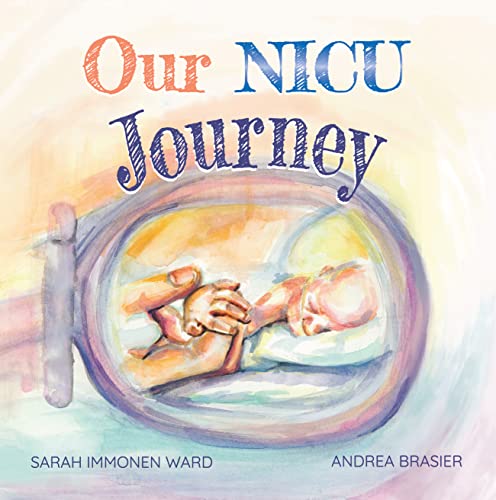
A charming picture book that tells the story of premature birth. Soft pastel illustrations and crisp rhymes detail the real life experience of a couple whose twin daughters were born at twenty eight weeks of age. It expresses the hopes and fears of parents, family, and friends as they eagerly await the outcome.
This book would make a wonderful gift for any new parent, but especially for those families who have experienced a premature birth or would like to know how to tell the story to other children in the family who may feel confused or upset. At the end of the book, the story of the author is included as well as a list of resources that families might find useful.
SUBSCRIBE TO THIS BLOG FOR NEW BOOK REVIEWS EVERY SUNDAY AND WEDNESDAY.
This short book of affirmations provides inspiration and self-confidence for elementary school and early middle grade readers. Who is to say what I can or cannot be, the answer is only me?
The affirmations cover topics like career aspirations, academic success, athletic prowess, and the Golden Rule. A dozen affirmations interspersed with multicultural illustrations encourage children to “be all they can be.”
A wonderful resource for a child’s home bookshelf, classroom library, or neighborhood library to build empathy, self-esteem, and social-emotional skills. Recommended especially for children ages six through ten.
SUBSCRIBE TO THIS BLOG FOR NEW BOOK REVIEWS EVERY SUNDAY AND WEDNESDAY.
A short, interesting read that can be picked up or put down according to your schedule. Probably a good book to read on a lunch break or work commute.
The author takes upon himself the challenge of writing autobiographical thoughts down while commuting to work. His point is that sleeping on the train on the way to work is an utter waste of time after spending the previous night snoozing.
His recollections are random ranging from funny to trivial, to serious. While the book is amusing in spots, I would not classify it as a comical read.
If you are looking for light reading that can be readily interrupted, this book is a good choice for you.
SUBSCRIBE TO THIS BLOG FOR NEW BOOK REVIEWS EVERY SUNDAY AND WEDNESDAY.
Copywriting Essentials: 4 Myths That Keep You from Writing Compelling Copy
You’re stuck. You’re not seeing the leads you want for your business. You’re offering quality products and great services but only a few people are buying from you.
You might be tempted to believe that the problem is that your platform isn’t big enough or that your website isn’t interactive enough. But for many small business owners and solopreneurs, these problems are usually the result of poor copywriting.
The good news is that persuasive copywriting is an essential skill that can be learned. But first, you have to understand that some things you might believe about copywriting are actually myths that are harming your business.
Myth #1: Copywriting is all about selling.
Some small business owners believe that copywriting is the equivalent of going to a cocktail party and screaming “Buy my product!” to every person you meet. This couldn’t be further from the truth. Copywriting is about so much more than selling your product or program.
Copywriting is about serving your audience. You can use persuasive copy to address your customers’ concerns, help them make smart buying decisions, and offer solutions to their needs.
Myth #2: Copywriting is all about action.
Many small business owners and solopreneurs think that every piece of content they create has to have a call to action, but that’s not true. Most of the time, you’ll be creating content to increase your customers’ awareness of your business. . This can be called the “know, like, trust” factor.
The ‘know, like, trust’ factor is about guiding your potential customers through the buying stages. In the first stage, the know stage, you’ll give potential customers content that informs them. In the second stage, you’ll share content that makes your brand likeable. The third and final stage is known as trust. It’s the point where your customers will decide whether they should purchase your productive or service.
Myth #3: Copywriting is all about you and your business.
Copywriting isn’t focused solely on you or even your customer. The best copywriting strikes a balance between “about you” and “about your reader”.
You want your copy to show your understanding of and compassion for your ideal clients’ situation. Your copy should highlight that your business cares and why your brand is the best one to choose.
Myth #4: Copywriting is all about making your brand look perfect.
Persuasive copywriting isn’t about positioning your brand as perfect. It’s about connecting with your reader on both an intellectual and emotional level. Your potential customers want to know about your expertise, but they also need to know that you understand them. One simple way to do this is to share stories about your brand. Don’t be afraid to include stories about your business’s failures.
Don’t make the mistake of thinking that your copywriting is set in stone. Even expert copywriters create several drafts before they find a version that truly connects with their readers. The important thing is to keep testing your copy until you find what works best for your business.
Journal Your Thoughts
Which of the copywriting myths do you struggle with the most? Why?
What’s your biggest challenge when it comes to copywriting?
Do you tend to make your copywriting all about you or all about your reader? How can you strike a better balance?
5 Steps to Reach Your Readers on an Emotional Level
When it comes selling yourself and your brand, it’s essential that you understand that your potential customers want to do business with people that they know, like, and trust. This is even more important if you’re a coach or service provider. Your potential clients may wonder if they’ll enjoy working with you, how you can help them, and if they’ll get their desired results.
This is where persuasive copywriting can help you. Copywriting will allow your ideal client the chance to know, like, and trust you. It also gives you an easy way to answer their questions before they even ask them. But before you start writing your copy, there are a few steps you’ll need to take.
Step #1: Identify Your Client
Describe your ideal client as detailed as you can. You need to be specific about their fears, frustrations, and feelings. Use forums and social media groups to see what words your ideal client uses to talk about their situation. Knowing how your potential clients describe what they’re dealing with will allow you to create copy that connects with them.You also need to think about what your potential client’s desired end result would look and feel like. For example, if you help overwhelmed working moms find time to prepare nutritious food to feed their families, then the end result might be less dinner time stress, more family time, and healthier bodies.
Step #2: Focus on your qualifications.
Next, think about how you’re uniquely qualified to help your potential clients. Describe why you’re qualified as a professional (education) and/or as a person (experience). You’ll want to offer proof of your qualifications in the form of diplomas, testimonials, and endorsements. These qualifications can be placed on the ‘home’ or ‘about’ page or a dedicated ‘testimonials’ page on your website and blog.
Step #3: Describe the milestones.
When you have a clear picture of what results your clients can expect from you, then you’ll want to think about the journey they’ll take. Try to describe the milestones your ideal client typically encounters during their journey. For example, if you’re a weight loss coach, one milestone might be losing the first ten pounds.
Don’t focus on just the good milestones. You’ll also want to consider the setbacks clients may face as well as the emotional aspects of their journey. For example, a setback might be gaining three pounds one week.
Step #4: Think about your clients’ objections.
Once you’re confident that you understand your potential clients’ journey, you need to take a moment to consider their objections. What hesitations might your client bring up when they’re ready to hire you? What are they afraid of if they take that first step? For example, if you’re a fitness coach that helps obese patients lose weight, you might find that potential clients are worried about visiting a gym for the first time.
When you understand these objections, you can offer solutions. Keep in mind that solutions don’t always have to be complex. You might simply tell clients that the first gym session is all about coming in and getting comfortable with the equipment, no workout required. Now, you’ve subtly eased a potential client’s objections to taking that first step toward fitness.
Step #5: Describe the action steps your reader would like to take.
Now that you know the journey your clients are on, it’s time to guide them to your product or services. You can do this by thinking about the action steps readers need to take when interacting with your content. For example, you might have a call to action at the bottom of your blog posts for joining your email list.
When you send emails to potential clients on your list, you might have a call to action at the bottom of each email that invites your subscribers to set up a free consultation with you. You want to continually invite your community to keep taking action. By doing this, you’ll have a list filled with valuable leads.
Understanding your client is the first step toward creating more persuasive copy. When you genuinely care about your clients’ journey, it will shine through in your copywriting efforts.
Journal Your Thoughts
Who is your ideal client? Why are you passionate about serving this client?
How will you be helping your ideal client? In what ways will you accomplish this (one-on-one coaching, webinars, etc)?
How will your clients’ lives be different after working with you and your brand?
Getting Started With Persuasive Copywriting: The First 3 Pieces of Content to Give A Makeover
When you’re ready to create some persuasive copywriting, you may be overwhelmed and wonder where to start. There are three places where your copywriting skills really matter and this is where you should start. Once you’ve mastered these three elements of your website, you can go on to tackle other areas of your site.
1. Your ‘About’ Page
The ‘about’ page on any website is usually the most visited one. That’s why it should be clearly labeled. Don’t use a cutesy name in the hopes that more people will click on it. You’ll just confuse your website visitors.
Your ‘about’ page should share your journey and cover why you’re qualified to help potential clients. Spin your journey into a story format that readers can relate to. For example, if you’re a business coach, you might share how you struggled to get your own business started for several years before finding success. By sharing your story, you’ll make it easy for your potential clients to relate to you and show them that you’re qualified to help.
2. Your ‘Services’ Page
Your ‘services’ page is your chance to stand out from other solopreneurs that offer similar services. But don’t cram every single service you offer on the same page. That will overwhelm visitors and they may leave your website before reading through all of the services you perform. That’s why it’s smart to have each service listed on a separate page of your website.
You want your service pages to show that you understand your ideal client and can deliver what they need. Then you should explain how you work and what end result your ideal client can expect. For example, if you’re a social media strategist, don’t tell potential clients that you can handle their Facebook advertisements. That’s vague and doesn’t describe what you can do. Instead, you might tell potential clients that you can increase Facebook ad conversions by 20%.
Now, include an easy next step, like joining your mailing list. Direct your visitors to your freebie sign up page with a helpful link, like this one: ===> Add Your Download Link to Your Free Report <===.
By doing this, you stay connected to potential clients that are interested in working with you but aren’t ready to hire you quite yet.
3. Your ‘Home’ Page
When it comes to your home page, you have less than seven seconds to make your first impression. You want that impression to be a good one.
When someone visits your home page, they should be able to tell immediately if they’re your ideal client or not from your copy. If you’re a social media strategist that works only with small businesses, then your copy shouldn’t be aimed at large corporations. It should be focused on small businesses and how you can help them.
Your home page is also your chance to state why you’re uniquely qualified to help. Don’t use the same wording you did on your about page. Instead, keep your qualifications to one or two sentences on your home page. If a visitor is interested in knowing more, they’ll click on your ‘about’ page for the full story.
Next, offer social proof on your home page. If you’ve guest posted on several popular blogs, share their logos. If you have testimonials from prominent clients, post those on your home page, too. If you’ve been interviewed in a magazine or podcast, be sure to add this information to your home page as well.
Before you post your new copy on your website, be sure to have a professional editor or proofreader look at it. An extra set of eyes can help you avoid embarrassing typos and make sure that your copy shines.
Journal Your Thoughts
How are you uniquely qualified to help your clients? Is this information on your about page?
How can you put more of your personality into your website or blog so that you stand out from other solopreneurs offering the same services?
What’s the story behind your brand? Does your copy showcase it or do you need to give some of your copy a makeover?
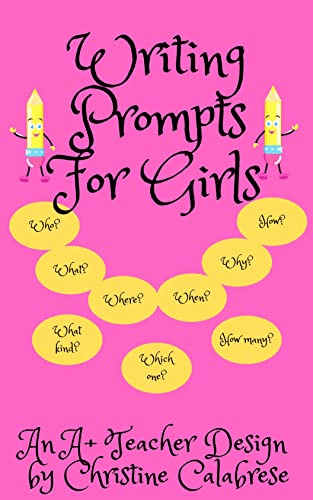
Title: Writing Prompts For Girls: An “A+ Teacher Design” to motivate girls to write for homeschoolers and teachers. Targeting Grade 1, Grade 2 & Grade 3.
Written by Christine Calabrese
I recently reviewed Writing Prompts For Boys: An A+Teacher Design and you can see my complete review for that book on Amazon.com.
Calabrese recently released this edition for girls and it does an excellent job just like the previous edition for boys. The author selects a wide array of topics like the princess theme, horses, snowy days, music, sports, secrets, and fantasy to name a few of them. She encourages girls to use their “w” words and imagination to write and draw their way to success providing exciting vocabulary, simple rules, and exciting scenarios.
Children see writing as a fun exercise not a laborious chore. This book is perfect for the primary grades but also wonderful for older reluctant readers and writers.
As a former teacher, I would highly recommend these resources to parents and teachers.
SEARCHING FOR QUALITY BOOKS AND RESOURCES FOR YOUR FAMILY?
SUBSCRIBE TO THIS BLOG FOR NEW INFORMATION EVERY WEDNESDAY AND SUNDAY.
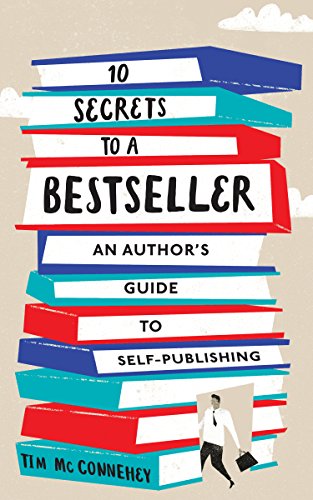
10 SECRETS TO A BESTSELLER: AN AUTHOR’S GUIDE TO SELF-PUBLISHING
Written by Tim McConnehey
McConnehey provides all the essentials for the budding author. He writes in an easy-to-follow style that is more readable than most how-to books.
The author states exactly what he will be covering at the beginning of the book.
Can you turn your great idea into a book? What are the steps you need to take, and in what order? How do you complete your book? What resources do you need: a cover designer? Editor? Fact checker? How do you distribute your book, and how do you make sure people know it’s out there? How much should you sell it for?
He also suggests using his company, Izzard Ink, as a hybrid publisher for those who find the process too arduous a task to tackle alone.
I would have found this book extremely useful at the outset of my writing journey and would recommend it as a good tool for the new writer.
SUBSCRIBE TO THIS BLOG FOR BOOK REVIEWS EVERY WEDNESDAY AND SUNDAY.
What is Supply and Demand?: Personal Finance for Kids
Written by Kelly Lee
Kids love ice cream and cookies. What a creative and fun way to explain the concept of supply and demand to young children!
The author uses animals to explain what happens to the owner of a cookie and ice cream shop when supply and demand change. Ava and Hank are customers who visit the shop in different seasons and note the differences. There are clear explanations and beautiful illustrations.
I especially love that the author makes the book interactive by posing different scenarios for children to think about and offering solutions. Parents are also provided with tips to illustrate supply and demand with their children in everyday situations.
Highly recommended for parents and teachers of children ages three through eight.
Subscribe to this blog for book reviews every Wednesday and Sunday.

 May 2, 2023
 bamauthor
 Comments Off on SPRING-CLEAN YOUR LIFE TIPS REPORT







 Barbara Ann Mojica's BLOG
You must be logged in to post a comment.