Curly Crow’s Family Feast: A Children’s Picture Book for Kids Ages 4-8 about Finding Strength in Challenges, Wisdom in Problem Solving, and Thanksgiving for Family (Curly Crow Children’s Book Series)
Written by Nicholas Aragon
Illustrated by Natalie Junqueira
An innovative picture book that teaches about problem solving and teamwork. In addition young readers receive knowledge about many species of birds along with the story about Curly Crow and her family.
Curly and her family are scavengers. When the dumpster outside the restaurant where they live is closed for Thanksgiving, the family has no food. Curly decides to visit the Rio Grande nearby to observe how other birds gather their food.
After much frustration, she observes similarities and differences and figures out a solution. Readers learn a lot about bird species and how to problem solve.
The book is highly recommended for preschoolers and primary grade readers.
SUBSCRIBE TO THIS BLOG TO RECEIVE NEW BOOK REVIEWS EVERY WEDNESDAY AND SUNDAY.
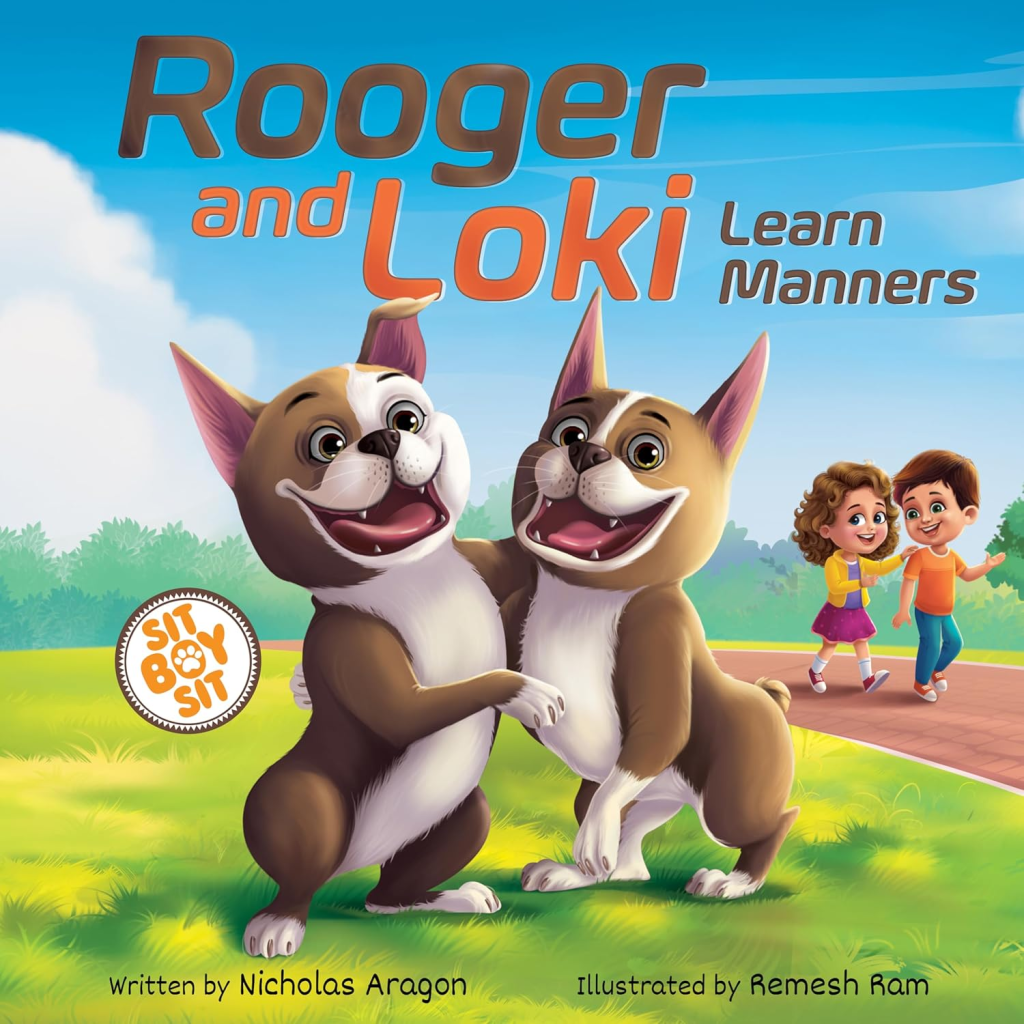
Rooger and Loki Learn Manners: Sit, Boy, Sit. A Children’s Story About Dogs, Kindness and Family (The Curly Crow Pawprints Collection Book 1)
Written by Nicholas Aragon
Illustrated by Remesh Ram
When Dad decides to take his twins, Quinn and Finn to the park, they are delighted to find two playful Boston Terriers wrestling in the park. After striking up a coversation, the twins learn tat the twin pups named Rooger and Loki are homeless. The children decide they will need to learn manners and discipline before anyone will adopt them so the twins begin that task. At first, the job seems hopeless. Readers will laugh at the mayhem. Will the twins succeed with their good intentions?
The cute picture book teaches kindness and patience. Appropriate for animal lovers ages four and older.
SUBSCRIBE TO THIS BLOG TO RECEIVE NEW BOOK REVIEWS EVERY WEDNESDAY AND SUNDAY.
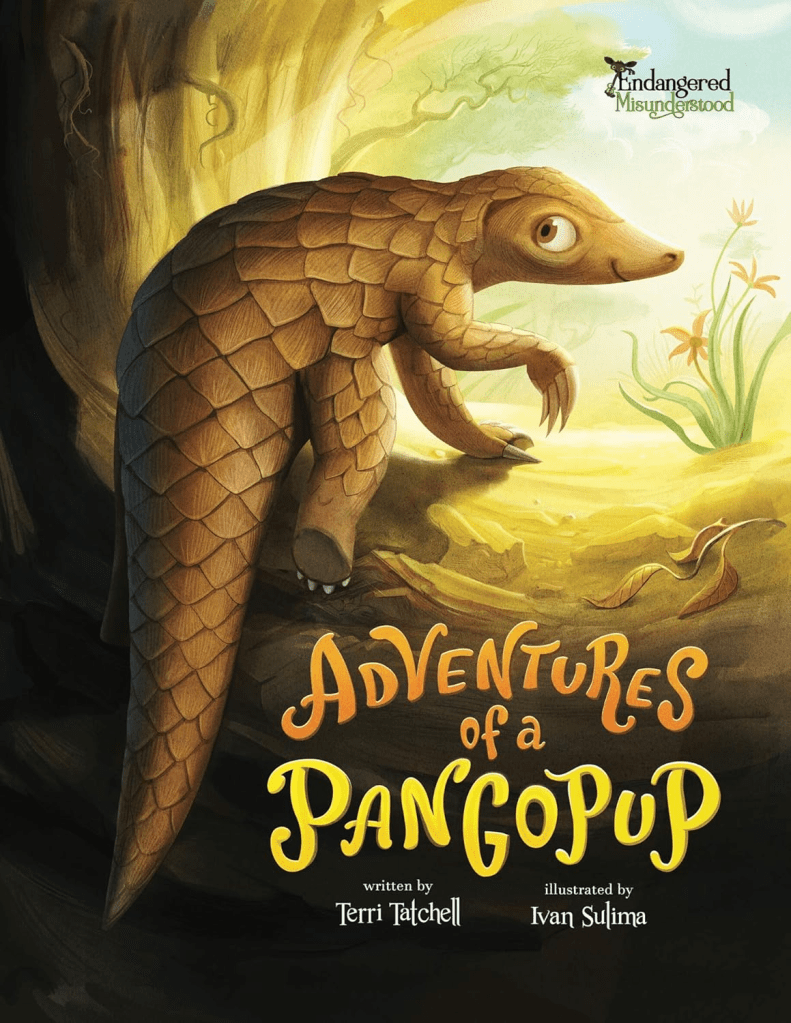
Adventures of a Pangopup (Endangered and Misunderstood Animals (Book 2)
Written by Terri Tatchell
Illustrated by Ivan Sulima
A charming picture book written in rhyme that teaches readers to heed their mother’s advice, while also educating them about endangered animals.
The book is part of a series about endangered animals. In this one readers learn about the pangalong and the dik-dik deer. When Pangopup decides to sneak away from his mom, he meets the deer who persuades him to go on an adventure. Will the two new friends survive?
The soft colors and exquisite rhymes teach without being preachy. Preschoolers and primary grade readers will delight in reading the book over and over. Lots of bonuses include drawing activities and information about these two unique animals.
Highly recommended for both home and school libraries.
SUBSCRIBE TO THIS BLOG FOR NEW BOOK REVIEWS EVERY WEDNESDAY AND SUNDAY.
Blimey There’s a Bunyip!: (Laugh out loud funny) (The Misadventures of Blimey Bunyip Book 1)
Written by Virginia Ferguson Perez
Illustrated by Natasha Kostovska
Book 1 in a series based on a mythical Australian animal called a Bunnyip who gets stuck on the narrator’s toilet (loo).
The story focuses on the outrageous antics the family tries to get rid of the creature who creates all sorts of chaos.
Children who enjoy off-beat humor will love it though vocabulary may appear strange to non-Australian readers. Adults will need to explain cultural nuances.
Recommended for ages two through seven who enjoy animal myths and zany humor.
SUBSCRIBE TO THIS BLOG FOR NEW BOOK REVIEWS EVERY WEDNESDAY AND SUNDAY.
Every child is different—and so is the way they respond to discipline. How you parent impacts how your child learns boundaries, responsibility, and emotional control. Here’s a simple guide to how parenting styles shape discipline and how you can adjust to better support your child.
4 Parenting Styles and Their Discipline Approaches
Authoritative (Balanced and supportive) o Sets clear rules and explains them. o Focuses on guiding, not punishing. o Try this: Help your child make a plan after a mistake instead of just punishing them.
Authoritarian (Strict and controlling) o Enforces rules without discussion. o Often uses punishment. o Watch for: Anxiety or rebellion in sensitive kids.
Permissive (Lenient and avoidant) o Rarely sets rules or follows through. o May avoid conflict. o Risk: Kids lack structure and may push limits.
Uninvolved (Detached or inconsistent) o Few rules or expectations. o Minimal supervision or guidance. o Consequence: Kids may feel insecure or unsupported
How to Adjust Based on Your Child’s Needs
• For Anxious Kids: Use calm tones, predictable routines, and gentle corrections. • For Strong-Willed Kids: Offer choices within limits and enforce consistent boundaries. • For Independent Teens: Let them help set rules and learn through natural consequences.
5 Smart Discipline Tips for Any Style
✅ Watch how your child reacts—adjust when needed. ✅ Stay connected and respectful. ✅ Set clear limits, but allow flexibility. ✅ Model calm, respectful behavior. ✅ Evolve your approach as your child grows.
Final Thought
Discipline isn’t just about control—it’s about teaching. The best approach grows with your child, helping them become confident and capable.
Publisher’s Book Summary: Many of us did everything we could to prepare for becoming moms, but there just wasn’t any way to know what might lie ahead. Most of us have, at one point or another, looked around and wondered if we are alone in our parenting challenges. Hope for Moms offers a heartfelt guide for mothers navigating both the joys and heartbreak of being a mom, sharing Anna McArthur’s personal journey through parenting difficulties such as learning disabilities, LGBTQ+ identities, and adoption. Structured around a triage plan that helped the author prioritize her family’s needs, it includes practical insights, quotes, and reflection questions to support moms in their journey of resilience and soul care. With gentleness and humor, McArthur provides reassurance to mothers, reminding them they have the strength to not only survive motherhood, but thrive.
McArthur provides reassurance to mothers, reminding them they have the strength to not only survive motherhood, but thrive. If you’re a mom who feels overwhelmed by the curveballs life has thrown your way, you aren’t alone—yes, it’s tough out there, but so are you!
Anna McArthur is a mom to four kids, including two recent college graduates and twin girls who are high schoolers. She is a blogger, newspaper guest columnist, and contributor to parenting magazines and websites, including Her View from Home and the Motherly Collective. Anna’s essays have recently been published by Grown and Flown and Business Insider.
A graduate of Clemson University and Columbia Theological Seminary, Anna lives in Athens, Georgia, with her husband, Bryan, and their teenaged girls, who are much cooler than her. Anna loves to read, garden, hike, and eat dips for dinner.
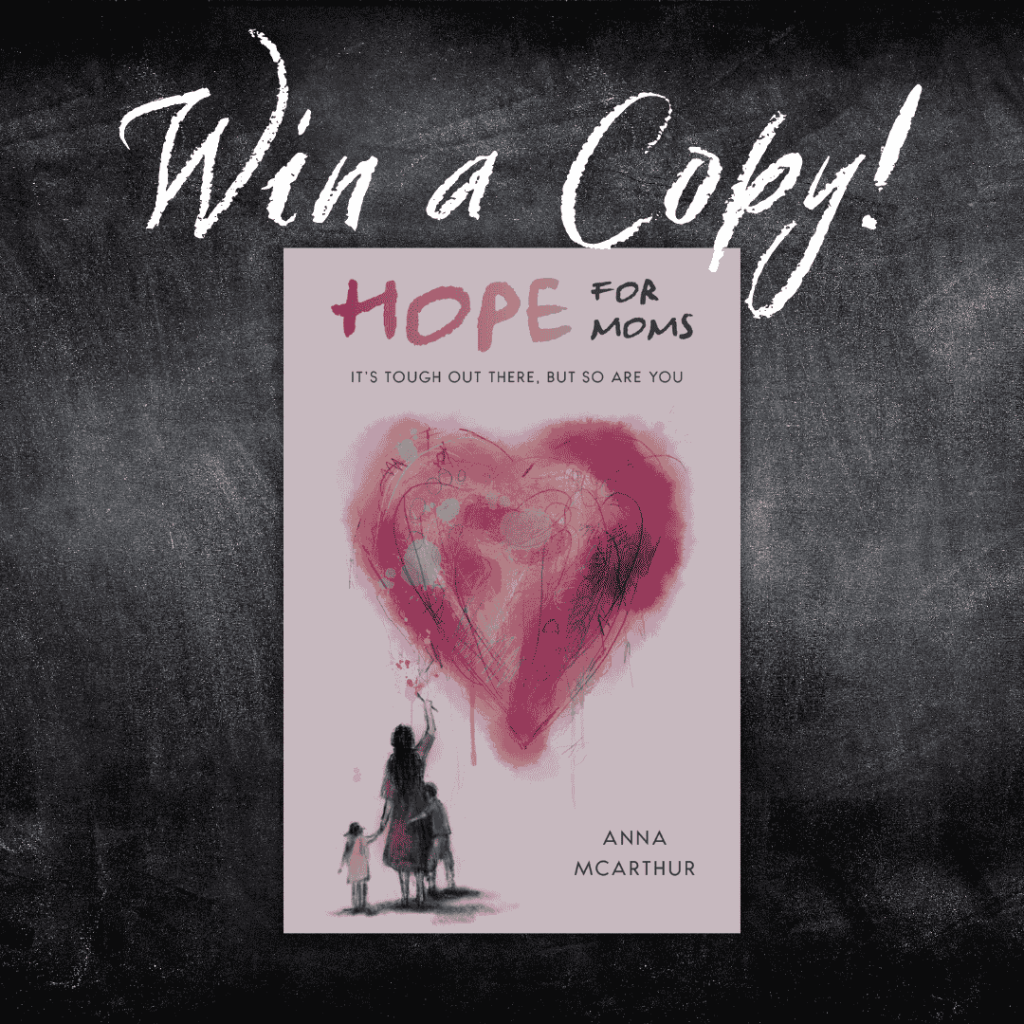
Hope for Moms: It’s Tough Out There, but So Are You Written by: Anna McArthur
A book written from the heart by a mom who has faced social-emotional challenges, physical disabilities, and financial distress while raising her family. Any parent will attest to the fact that parenting is one job that comes without a playbook or set of rules. McArthur shares her difficult journey in the hope that her experiences and difficult lessons will benefit other families.
She reminds moms that it is okay to accept help from others, to stop expecting perfect kids, and to be realistic in your hopes and dreams. Instead, understand that moms cannot protect themselves or their children from heartaches or disappointments. The author reminds the reader that raising a family is hard for all of us.
All parents make mistakes; it is more important to keep trying. Stop comparing your parenting style to others. Find the things that make your family unique. Do not compare your family to others. As children grow older and become more independent, moms must learn to listen more than talk. The best solution is to keep an open mind and keep learning.
I highly recommend this book for new parents as well as those facing challenges.
GIVEAWAY
Enter for a chance to win a paperback copy of Hope For Moms: It’s Tough Out There But So Are You by Anna McArthur.
Four grandsons describe a grandmother who keeps them guessing about her next exploit. This grandmother lives on a farm. She fills her days with adventures like collecting bugs, milking cows, diving in a swimming hole, pouring concrete, or climbing a tree.
Visiting gramma is certainly an experience worth looking forward to. A nice book to share when family gathers together. Good choice for preschoolers and older readers. The illustrations complement the mood perfectly.
SUBSCRIBE TO THIS BLOG FOR NEW BOOK REVIEWS EVERY WEDNESDAY AND SUNDAY.
Illustrated by Obayomi Aanuoluwapo and Dirisu David
A beautiful multicultural picture book that teaches children about life in rural Ghana.
Kwame is respectful, obedient, and grateful for his simple life in a rural village. In this story, Kwame wakes early to help his mother wash clothes by hand. Then he sweeps the dirt floor of his one room hut before dressing in his uniform to walk to school at the Royal Promise Mission. Today is a special day. The children from around the area will be marching to celebrate the anniversay of Ghana’s independence.
Children from around the world learn a bit about the food, flag, customs , language, and difficult life of a small rural village. Kwame provides a good role model for children. Charming illustrations and an interactive activity keep readers engaged with the tale.
Highly recommended to parents and teachers of elementary school readers.
SUBSCRIBE TO THIS BLOG FOR NEW BOOK REVIEWS EVERY WEDNESDAY AND SUNDAY.
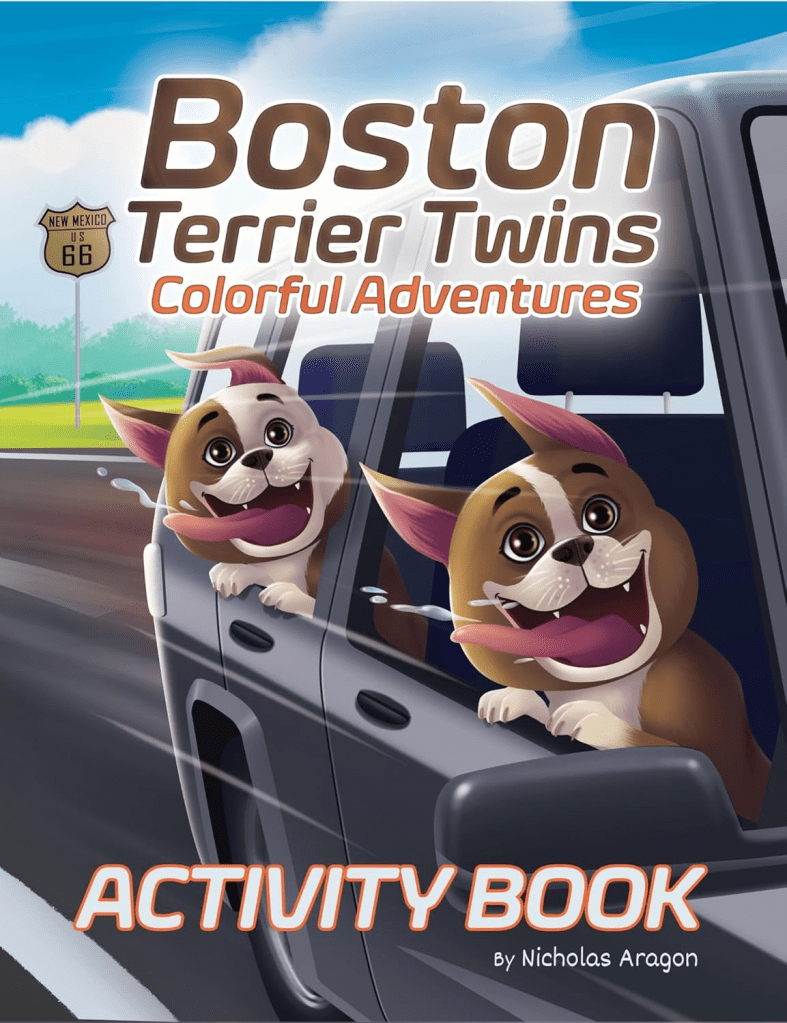
This activity book provides a plethora of activities that are especially useful for rainy days or traveling. It contains a variety of activities which include mazes, dot-to-dot, tracing, and color by number pictures. There are many family scenes that are coloring pages.
A good choice for children who are dog-lovers. The Boston Terrier pups are adorable. It is available in kindle and paperback. The paperback pictures may be duplicated and used more than once.
Recommended to parents and teachers as a teaching tool or enrichment learning tool.
SUBSCRIBE TO THIS BLOG FOR NEW BOOK REVIEWS EVERY WEDNESDAY AND SUNDAY.
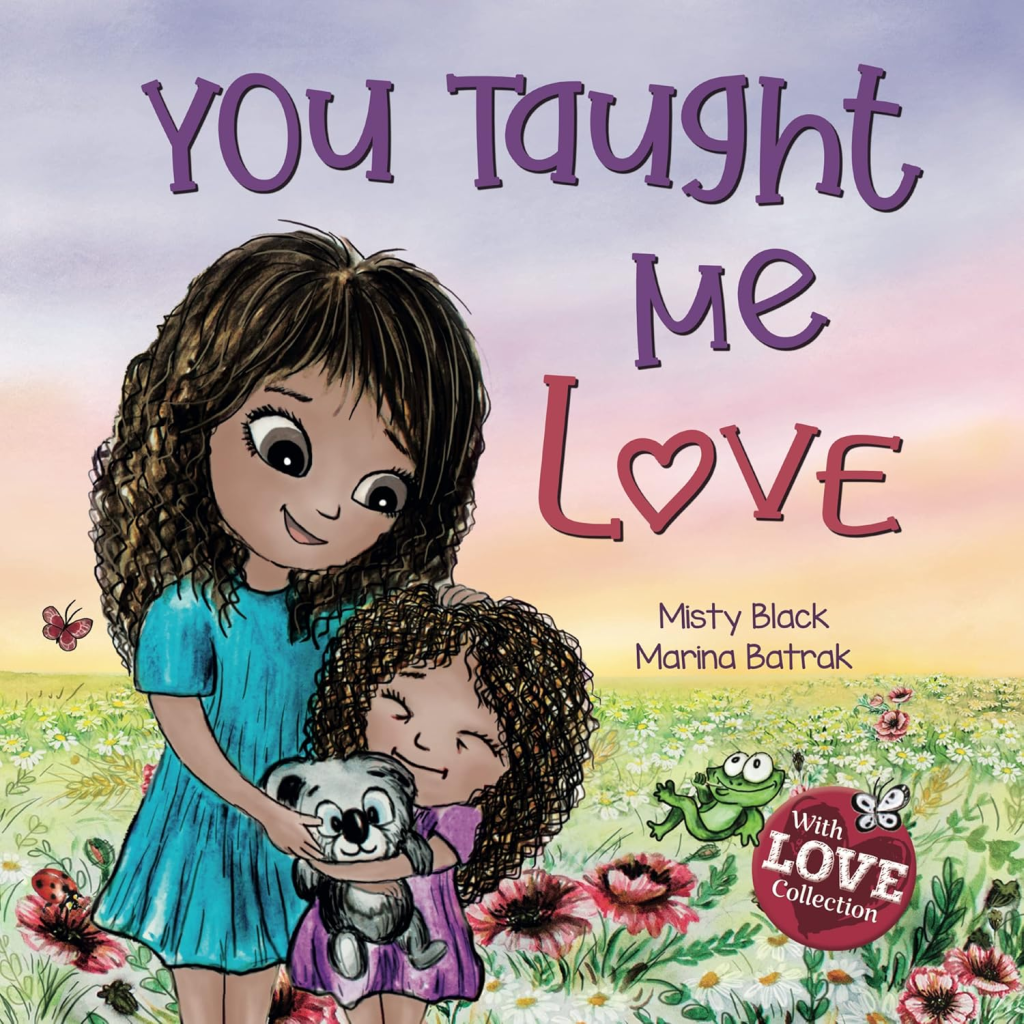
A phrase that has been shared over and over by many generations. A mother and child share different ways of expressing their love for one another. Is it a game? Is it a competition?
How many times have parents or grandparents played this game with their precious children. Each generation of a family finds new and different ways to reinforce this message. This book contains beautiful illustrations and exquisite analogies.
This lovely picture book is part of a series and would make a wonderful gift for a new parent or grandparent to share as a bedtime story.
SUBSCRIBE TO THIS BLOG FOR NEW BOOK REVIEWS EVERY WEDNESDAY AND SUNDAY.

 May 28, 2025
 bamauthor
 Comments Off on THERE IS ALWAYS ANOTHER WAY






 Barbara Ann Mojica's BLOG
You must be logged in to post a comment.