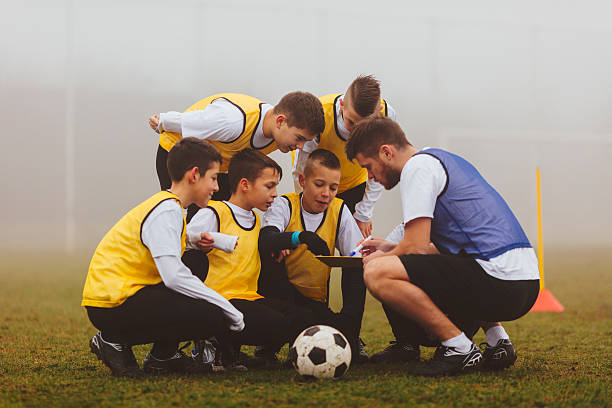
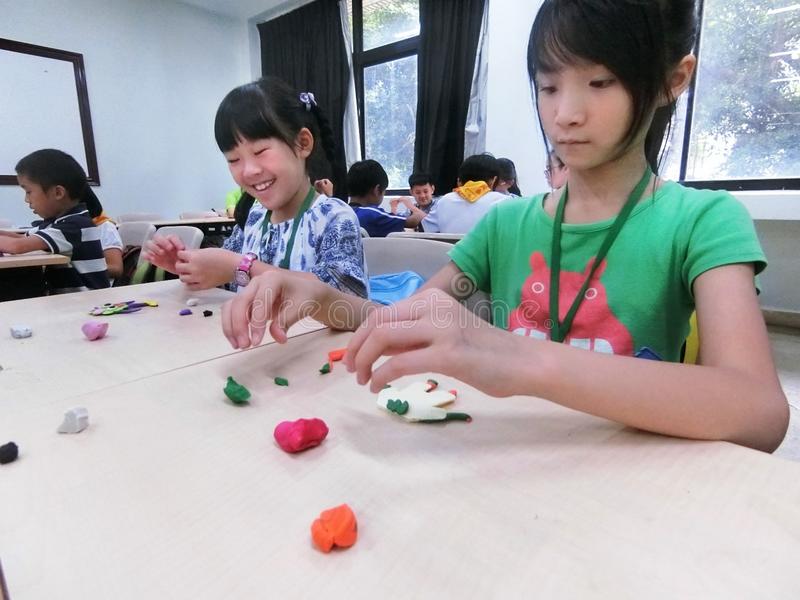
Is your child a strong leader? Do you suspect that he or she might grow up to be an effective and proactive leader? Maybe you aren’t sure what to look for. Does it matter if you discover leadership abilities early? Actually, some sources say it does matter. Observing leadership qualities early means parents, teachers and caregivers can work to develop those talents so they do not fall by the wayside.
If you want to make sure you develop your child’s leadership qualities, here are some signs to watch for. Some of them may surprise you!
Talkative
Does it sometimes drive you crazy that your child talks so much? Actually, being talkative may be a sign of things to come. A chatty nature indicates a child with excellent verbal skills, which are necessary for good leaders. Did your child talk early and proficiently? This may be a sign that he or she will be a good leader.
Treats Others with Respect
If you notice that your child seems to end up in responsible positions – team captain or band director – and you know he didn’t get that position because of “muscling” his way to the top or bullying others, then this may be a sign of leadership ability. Notice if others seem to “gravitate” toward her and wish to emulate her. Observe whether or not this is due to respectful treatment. If it is, you may have a strong leader on your hands.
Sees Both Sides
Some kids display an ability to understand both sides of an issue. They tend to be peace keepers, helping two arguing kids or adults to see reason, for example.
In the Know
Does your child always know what’s going on? Is he or she always aware of the latest events at school or in the family? This is not the same as being a gossip (that’s not a good leadership quality), but it does mean that he or she is paying attention and interested in what’s going on with others.
Inquisitive
A good leader is not afraid to ask questions, but he/she is not afraid to go looking for answers on his own. Too much questioning may indicate self-doubt – your child is always trying to make sure about things. On the other hand, healthy questions that spring from a real desire to know more about something may be a sign of leadership ability.
If you enjoyed reading this post, please subscribe by clicking on the word Follow or by hitting the orange RSS FEED button in the upper right-hand corner of this page.
This post is in partnership with The Children’s Book Review.I received a free copy of The Monster Twins to review. All opinions are my own.
THAT TWIN THING…
The Monster Twins
Written by Robert and Karen Hanvik HaHHhh
Illustrated by Ella Ransom
First book in a new series. Bella and Bertie are twins who have never met each other. When they were born, the rules did not allow them to live together. Why? Because they were monsters and the law said they must be adopted by separate human families.
Bella has been adopted by a couple who live in Singapore but travel all over the world. Bertie lives with a shy couple who live in London. Each have different personalities but have one thing in common. Both monsters feel that something is missing They each long for a best friend.
Will circumstances ever change? Will Bella and Bertie employ their twin skills to discover each other’s existence.
I especially liked the way the author introduces children to the fact that families can be different and that growing up in different cultures does not preclude similarities between siblings.
Publisher’s Synopsis: Bella and Bertie are twins, but they don’t know that, or each other. Separated while babies by bad law, they grew up 6000 miles apart, in Singapore and London. Follow the twins as they discover their shared past and do their best to make a better future for themselves, their families, and others like them.
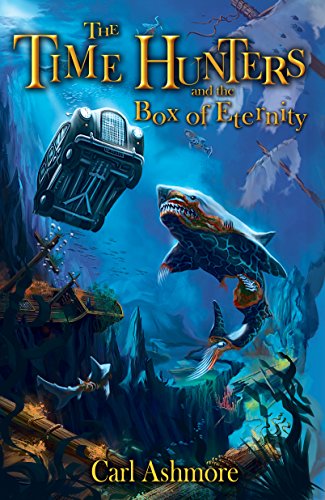
This is the second book in the series. Becky and Joe Mellon return home on school break to learn that nothing has changed at home. That home is as weird and unusual as ever. Saber-tooth tigers, a dodo, and a dinosaur share the home with the rest of the family. Things become more bizarre when an American named Bruce Westlake arrives. This time traveler has in his possession gold doubloons that contain magic powers.
In no time at all, Becky, and Joe, accompanied by their Uncle Percy and Will, find themselves time traveling to Victorian England, the 18th century Caribbean, and the city of Chicago in the 1920s. They will encounter gangsters, sharks and sea demons, and blood-thirsty pirates. What is their goal? Their quest is to find the elusive Pandora’s box.
This fantasy time-travel thriller will appeal to middle-grade, young adult, and adult audiences.
If you enjoyed reading this post, please subscribe by clicking on the word Follow or by hitting the orange RSS FEED button in the upper right-hand corner of this page.
So you have tried to create a home environment conducive to instilling leadership skills for all your children, whether they be preschoolers or teens. It’s been said that leadership starts at home and directly linked to early training. Experts disagree about how much leadership is inborn and how much is learned. I believe that it’s a combination of learning plus a child’s innate abilities.
If you’d like to do what you can to raise your children to be good leaders, here are some tips that may help.
Teach Them to Think
Some argue that the school system, whether it be public or private, teaches kids what to think rather than how to think. Common core curriculum has placed uniform requirements and testing standards on schools across the United States. There are likely exceptions to this – special schools and special teachers – but it’s entirely possible that your kids are not being taught how to think. So whether you homeschool or enroll your children in a traditional school setting, you might try some of these exercises to encourage independent thinking.
Give them an age-appropriate reading task that expresses a particular point of view. An opinion piece in the newspaper is a good place to start. Ask what your child thinks about it, and have him or her write an age-appropriate response. Do the same thing with an article that expresses a contrary or different opinion.
Encourage them to read about topics and books that covers a range of opinions and views.
Ask them if they agree or disagree, and why.
Any time your child reads something, ask him (or her) what he thinks about it. Find out what information he drew from the reading rather than finding out if he picked up what she was “supposed to” from the reading. Let them know it’s okay to disagree with parents and teachers. Encourage them to discuss the reasons behind their disagreement.
Leaders tend to be independent thinkers, so these exercises may go a long way toward teaching your child to be a good leader.
Teach Organization
This may be something of a challenge for parents who aren’t that organized themselves! On the other hand, for those parents who are very organized, you might find that you tend to organize everything for your kids without teaching them to do it themselves. Parents need to discover a comfortable balance between the two.
Give them a calendar and show them how to keep track of their own activities. Chore lists are an excellent way to help them organize their time. Age-appropriate chores and activities, written down or drawn on a calendar, can help kids “see” their time and how they are using it, even if they are too young to tell time yet.
Ask for Arguments
Huh! Are you joking with me? Ask your kids to talk back to you?
The art of arguing respectfully is an important leadership quality. We’re not talking about angry arguments. Think in terms of negotiation and persuasion. Ask your child to tell you why he (she) wants a certain thing, or why he should be permitted to attend an event or participate in an activity. This helps your children learn how to analyze his thoughts and present reasons that produce an argument to justify why he should achieve this goal.
If you enjoyed reading this post, please subscribe by clicking on the word Follow or by hitting the orange RSS FEED button in the upper right-hand corner of this page.
Leading teens is different than leading children and older adults. Your role is to guide them into maturity and teach them how to manage adult responsibilities. Teens can handle more responsibilities and understand what’s expected.
But many older adults are intimidated to lead teens since they have a reputation for being rebellious. What if they won’t listen? What if they ignore your advice and “walk all over you”?
Here are some tips that may help you to lead teens.
The Right Attitude
It’s important to respect a teen’s place in the leadership process. (This is important with all ages, but teens are more aware of their own independence.) Remember that you can’t be a leader without followers! The teens have to be there for the leadership to happen.
Respect
Respecting those you lead is important. Teens probably won’t respond well to just being given orders. One way you can show your respect to the youths under your care is to listen to them. Really hear them, and respond respectfully to what they say. This proves your respect for them, In addition, it also sets a respectful tone in your group. When you do this, you’re leading by example.
Insist on Respectful Behavior
Because you’re modeling it, this shouldn’t be difficult to enforce. Ask that your teens treat each other with respect, and you can set yourself up as an example.
Be “Real”
Teens have a nose for sniffing out when something or someone is faking it. The teens in your charge don’t really expect perfection. They would prefer to interact with someone whose flaws they can identify with than someone distant and unfamiliar. Make sure to guard against hypocrisy. It’s fine to be genuine and share that you used to be a smoker or drinker while telling your teens not to smoke or drink, but if you are still smoking, your words will ring hollow and fake.
The Importance of a Good Relationship
Leading teens means assuming the role of a mentor and adviser. Mentoring means setting up an environment where learning takes place. Always set aside a time for teaching and answering questions. To form an effective leadership relationship with teens, it’s critical to know when to step back and let the teen try on his or her own and when to step in. If you develop a good relationship with your teens, then you will likely know them well enough to have figured out when to get involved and when to back off.
Mystery of the Egyptian Mummy: (Kid Zet Detective Book 4)
Written by Scott Peters
My first time reading a book in this series. Zet is a twelve-year-old boy living in the ancient Egyptian city of Thebes. He and his sister, Kat, run a pottery stall in the market to support their family. One night a mummy, guarded by a jackal, arrives at their home. Terrified, the siblings return to the market the next day to find that the whole town believes them to be cursed. Their business collapses. That makes them determined to solve the mystery.
What they discover is a much larger plot that will endanger the royal family and all of Egypt. As they artfully unravel clues to solve the mystery, readers learn a lot of information about ancient Egyptian history and culture.
Peters creates interesting characters and an engaging plot to keep middle-grade readers engrossed throughout the read. Educational and entertaining.
If you enjoyed reading this post, please subscribe by clicking on the word Follow or by hitting the orange RSS FEED button in the upper right-hand corner of this page.
Publisher’s Synopsis: The secret to happiness? It’s written on a whale’s tail. At least that’s what Koa hears, and so he sets out in search of Wally Whale and the valuable knowledge that he hopes Wally will share.
Wally Whale’s Mighty Tail, one of the first books in the EQ Explorers series, teaches the powerful EQ principle: Happiness is a Choice. It’s a lesson of emotional intelligence that is essential for any child—including Koa, who learns as he journeys through the Pacific with Wally Whale.
Publisher’s Synopsis: The last thing Danny expects to come across during his hike in the forest is a very insecure bear. And yet, Compare Bear is precisely that—a bear who struggles to see his own strengths, and instead constantly compares himself to other animals, with astonishing results.
In Compare Bear’s Double Dare, one of the first books in the EQ Explorers series, Danny helps his unique new friend take to heart the powerful EQ principle: Be Yourself. Don’t Compare. It’s a lesson of emotional intelligence that is essential for any young reader.
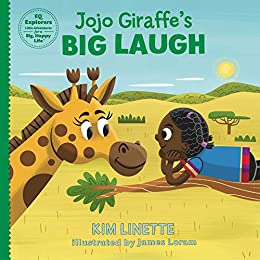
Publisher’s Synopsis: Jojo Giraffe’s Big Laugh, the third book in the EQ Explorers series, takes children on a journey through the African Savannah, learning what it means to be wonderfully unique along the way—just like the spots on each and every giraffe.
The story centers around the powerful EQ principle: Don’t Take Things Personally. It’s a lesson of emotional intelligence that is essential for any child—including Kali, who learns through a series of fun adventures with Jojo Giraffe.
Another happy book in the EQ Explorers series. Little Koa searches for Wally because the boy has heard that Wally has the secret to being happy written on his tail. Koa will be the leader of his tribe one day. Koa wants to know how to lead his people to happiness.
But Koa is dismayed when the message on Wally’s tail is smudged. He sees Happiness is a ch…. What are the missing letters? Wally teases Koa and plays a guessing game with him. Koa makes guesses like cheer, chocolate, and chair. Finally, Wally relents and provides the correct answer. He explains to Koa that our emotions are like the waves of the ocean. Sometimes we feel happy and sometimes sad. When you choose happiness, you can find ways to stay happy through tough times.
Discussion questions to illustrate the book’s lessons are included as well as fun facts about whales. Loram does not fail to disappoint with colorful multicultural illustrations.
Recommended for elementary school readers.
Compare Bear’s Double Dare
Danny is never afraid of trying something new. One day, he embarks on a hike through the woods. He meets an unusual bear. Compare Bear is afraid of climbing trees, racing, fishing, or roaring. Every time the bear finds another who is better than he at something, he stops doing it. To make matters worse, parts of his body change into that animal.
Danny urges him to be himself and dares him to compete. Will Compare Bear find the courage to accept himself and stop trying to be perfect?
Fun facts about bears and discussion questions are included in this beautifully illustrated picture book.
Jojo Giraffe’s Big Laugh
This book is part of the EQ Explorers, Little Adventures for a Happy Life. The profits from the sale of these books are donated to underserved children.
Kali is hiding in a tree crying because the other kids make fun of her for being short and spending her time climbing trees. Jojo passes by and encourages her to laugh. He shows her perspective, a new way of looking at things. The giraffe shares his personal experience with other giraffes. He encourages her not to take things personally and to value her own opinions of herself rather than those of others. As they walk and meet other animals like ants, hippos, and zebras, the lesson becomes clear.
Beautiful colors and expressive images foster the imprinting of the story on young minds. This book is a good choice for a read aloud or bedtime story for children in elementary school.
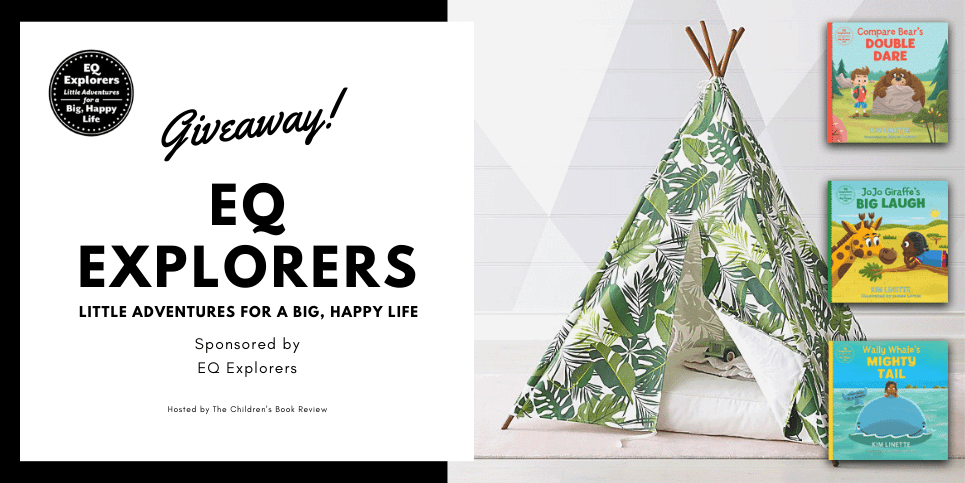
GIVEAWAY
Enter for a chance to win an EQ Explorers prize pack!
One (1) grand prize winner receives:
A copy of Jo Jo Giraffe’s Big Laugh autographed by Kim Linette.
A copy of Compare Bear’s Double Dare autographed by Kim Linette.
A copy of Wally Whale’s Mighty Tail autographed by Kim Linette.
A play fort perfect for reading and imagination play.
Two (2) winners receive:
A copy of Jo Jo Giraffe’s Big Laugh
A copy of Compare Bear’s Double Dare
A copy of Wally Whale’s Mighty Tail
Giveaway begins July 6, 2020, at 12:01 A.M. MT and ends August 6, 2020, at 11:59 P.M. MT.
If you enjoyed reading this post, please subscribe by clicking on the word Follow or by hitting the orange RSS FEED button in the upper right-hand corner of this page.
I would describe this book as a short story that could easily be developed into a full-length novel.
Molly Marsh is a curious ten-year-old whose parents are off on a scientific expedition to New Guinea. Her trepidation begins with a bumpy plane ride. Molly is enchanted when a beautiful blue butterfly alights on her. When the family arrives at their new home, Molly meets Yosia, who will be working for them in their new jungle home. She is intrigued by him. At first his strange habits scare her. Then she learns about his magical talents.
These two characters are interesting and could be developed in a fuller narrative. I consider the adventure book a short, chapter book. It is well-written with challenging vocabulary that is most appropriate for nine to twelve-year-old readers.
If you enjoyed reading this post, please subscribe by clicking on the word Follow or by hitting the orange RSS FEED button in the upper right-hand corner of this page.
Kid Legends (True Tales of Childhood from the Books Kid Artists, Kid Athletes, Kid Presidents, and Kid Authors
Written by David Stabler
Illustrated by Doogie Horner
This book will inspire children to address their fears and reaffirm their aspirations. It is divided into three parts. The first part explores difficulties overcome by J.K. Rowling, Peyton Manning, and Charles Schultz before they became successful. The second part discusses the struggles of Pablo Picasso, Muhammed Ali, and Ulysses Grant during childhood and how they overcame their handicaps to achieve fame. Part Three examines the role that family life played in the early lives of Jeff Kinney, John F. Kennedy, and Gabby Douglas. Before closing, the author and illustrator reveal facts about themselves
The illustrations are rich in detail and humorous. They are fun to look at and read. This book is perfect for middle-grade readers who are dealing with the same type of issues, bullying, family and peer relationships, and self-esteem. The book also provides an opportunity for jump-starting group discussions.
If you enjoyed reading this post, please subscribe by clicking on the word Follow or by hitting the orange RSS FEED button in the upper right-hand corner of this page.
You must be logged in to post a comment.