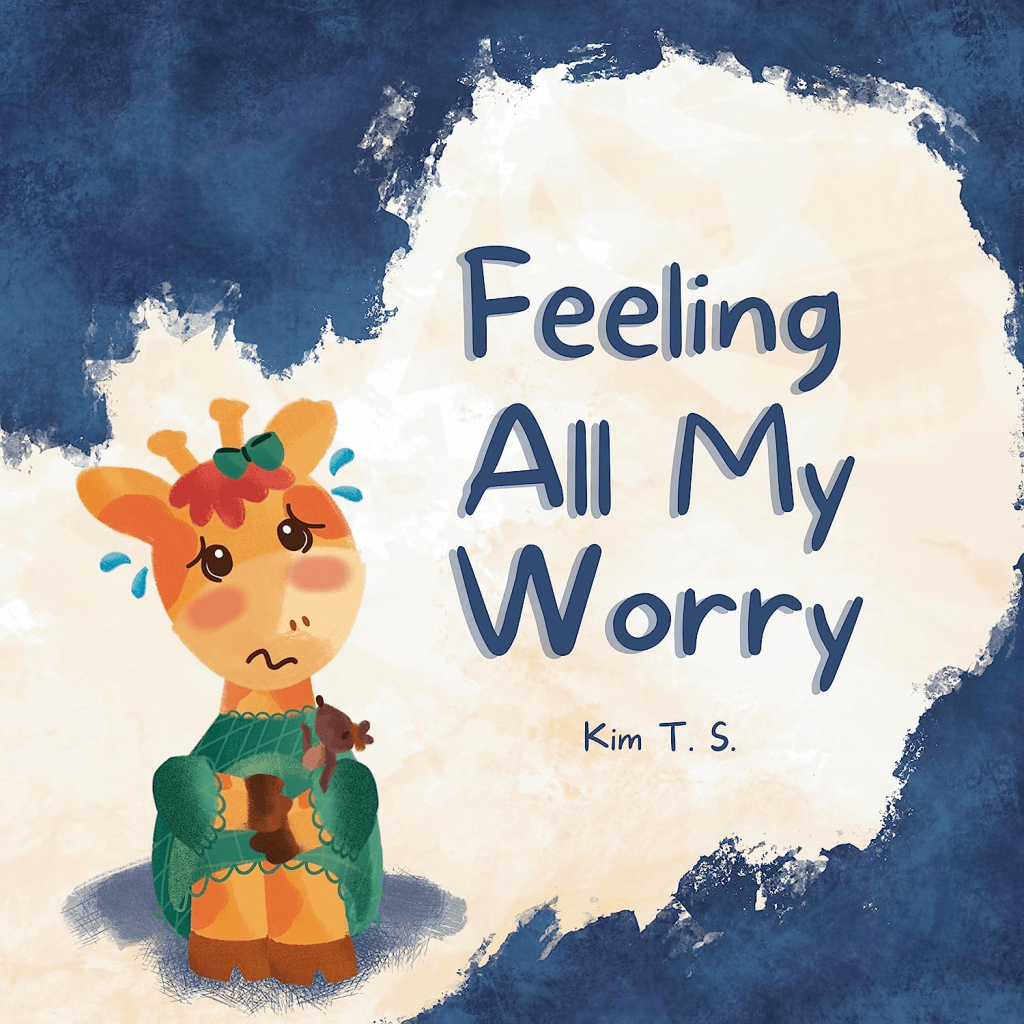
A beautifully illustrated picture book that explains the emotion of worry to even the youngest child.
The author covers the nature of worry, reassures children that it is a common occurrence, and presents examples of situations in which a young child might be afflicted with worrying. It instills a feeling of self-confidence and urges children to either take action or seek advice from an adult when facing the problem.
SUBSCRIBE TO THIS BLOG TO GET NEW BOOK REVIEWS EVERY WEDNESDAY AND SUNDAY.
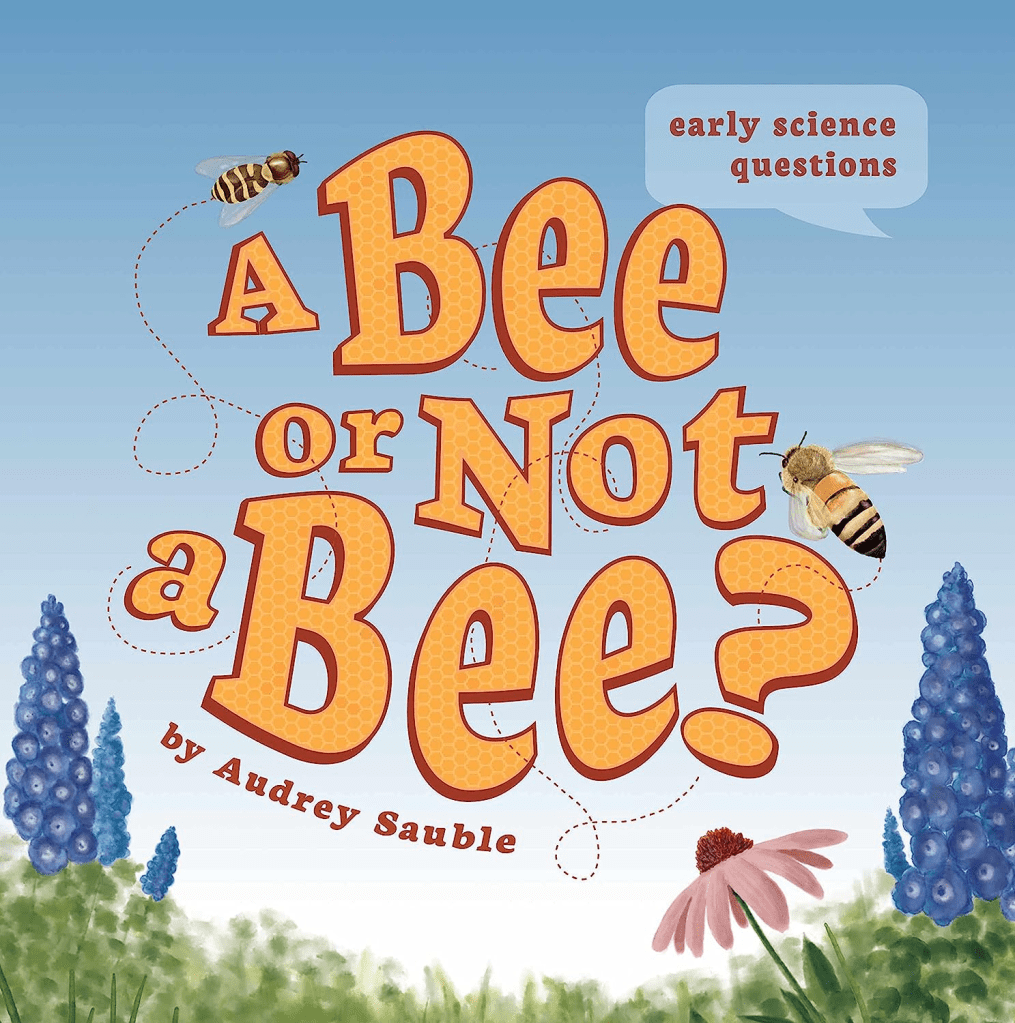
A wonderful nonfiction picture book that encourages elementary age school children to become young scientists.
The illustrations are colorful and fun but the biggest value of the book is the amount of information crammed into its short length. Readers not only learn about the types, habitats, and daily lives of bees but they are contrasted with many different types of insects. Children will learn about the likenesses and differences as well as learning about both bees and insects.
The author includes the scientific names for each and provides an interactive activity for matching pictures with information. They are also given a bee survey chart that they might complete by exploring bees in their own neighborhood.
A wonderful resource for parents and teachers to place in their home or school libraries.
SUBSCRIBE TO THIS BLOG FOR NEW BOOK REVIEWS EVERY WEDNESDAY AND SUNDAY.
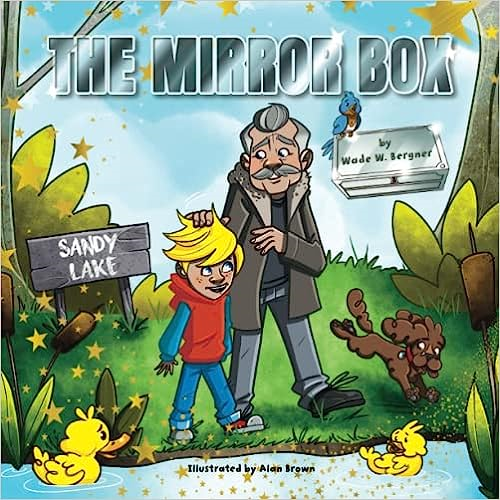
This is a tender picture book dealing with a topic families dread facing, the death of a loved one. In this book, the protagonist is a young boy who loves and enjoys spending time with his grandfather playing football, taking walks, sharing memories, and telling jokes.
One day his parents tearfully approach him with the news that his grandfather has passed away. The message confuses him. How could his grandfather leave without saying goodbye. Suddenly he remembers a gift that his grandfather gave him with the promise the boy would not peek. Will that gift be the key to relieving his grief?
I believe this book could be an important tool for parents or teachers with children who are grieving a personal or community loss. Recommended for elementary grade readers.
I received a copy of this book from the publisher and voluntarily decided to read and review it with my honest opinions for no compensation.
SUBSCRIBE TO THIS BLOG FOR NEW BOOK REVIEWS EVERY WEDNESDAY AND SUNDAY.
This rhyming picture book might be useful for parents of toddlers and preschoolers. The plot is more practical than exciting. A young girl moves through different types of foods and explains how each can become enticing. If read as a bedtime story or read aloud to an individual child or class, it could be an effective guide to a discussion about the benefits of a varied diet.
SUBSCRIBE TO THIS BLOG FOR NEW BOOK REVIEWS EVERY WEDNESDAY AND SUNDAY.
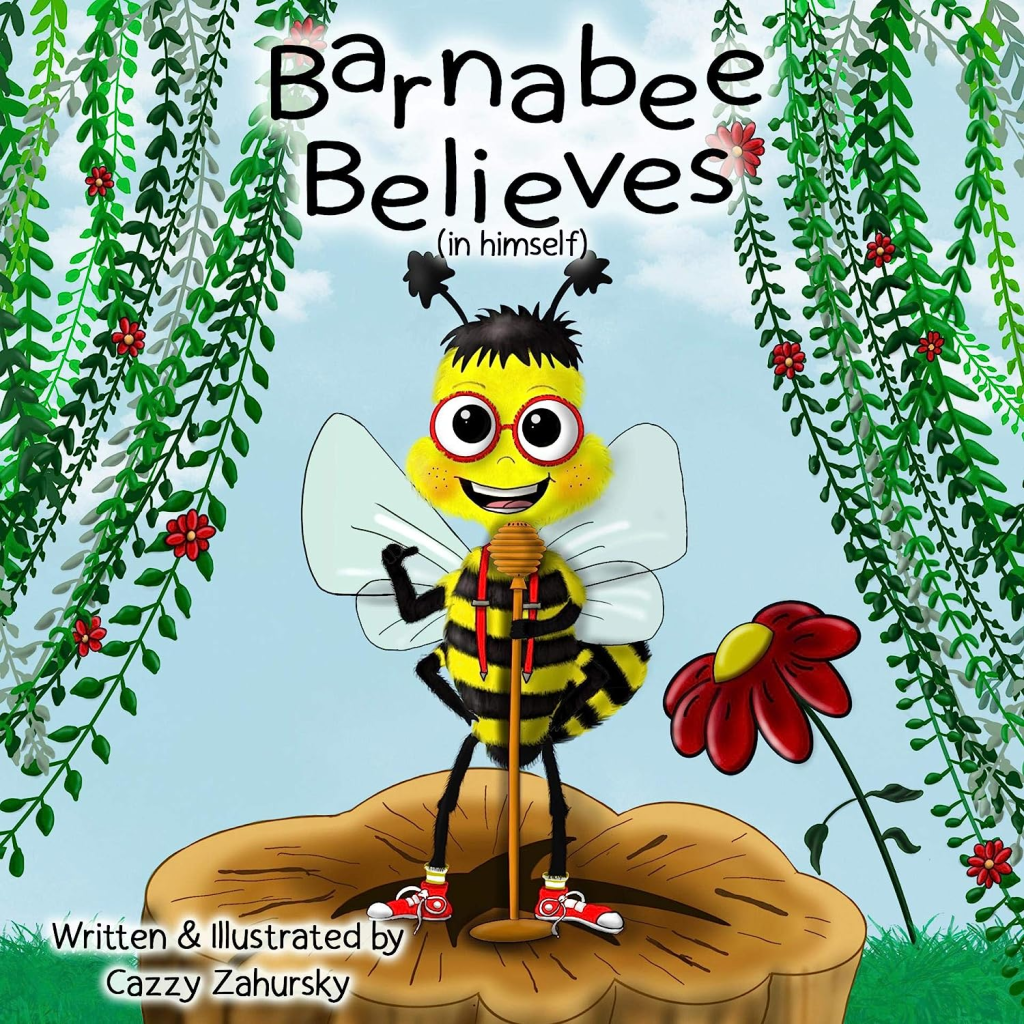
Barnabee loves to spell. He is thrilled when he learns his teacher has selected him to be in the spelling bee. He practices with Buster, another classmate.
Barnabee does not understand why every time he gets a word at practice, he freezes and cannot spell. Buster makes fun of him. Can Barnabee find the courage to be brave and perform when the big day arrives?
I enjoyed the clever puns, alliteration and on-spot analogies that add humor and make reading the story aloud fun. Not to mention children learn how to handle anxiety and cope with competition by turning it into friendship.
Recommended for elementary age readers.
SUBSCRIBE TO THIS BLOG FOR NEW BOOK REVIEWS EVERY WEDNESDAY AND SUNDAY.
Remy is a quiet, introverted child who suffers from disfigurement. He spends most of his time reading and hanging around his adopted father, Clint’s shop. Clint holds lots of secrets and magic in a special room that keeps Remy intrigued. Remy has benefited from the knowledge gained from patrons visiting the shop.
As Remy grows older, and ventures outside into the world with Clint, he will discover danger in many forms. Interesting characters, mythical creatures like dragons, ice-horses, and Phoenix lie in wait at every turn to trap and ensnare them.
This is the first book in a series. The fact that this book is part of the Vella program is a bit disappointing for those readers who prefer to binge read a series.
Recommended for older middle school, young adult, and adult audiences, particularly in the fantasy and coming of age genres.
SUBSCRIBE TO THIS BLOG FOR NEW BOOK REVIEWS EVERY WEDNESDAY AND SUNDAY.
Little Bear and his father go fishing. As the day wears on, Little Bear becomes impatient. On their way home, Dad tells his son how wonderful the day has been. Little Bear does not understand. After not catching anything, he sees it as a waste. Father Bear teaches him about the beauty of nature and the importance of simply spending time with loved ones.
The soft colors, simple text and sweet message remind elementary grade readers to appreciate our world and especially those who love us.
SUBSCRIBE TO THIS BLOF TO GET NEW BOOK REVIEWS EVERY WEDNESDAY AND SUNDAY.
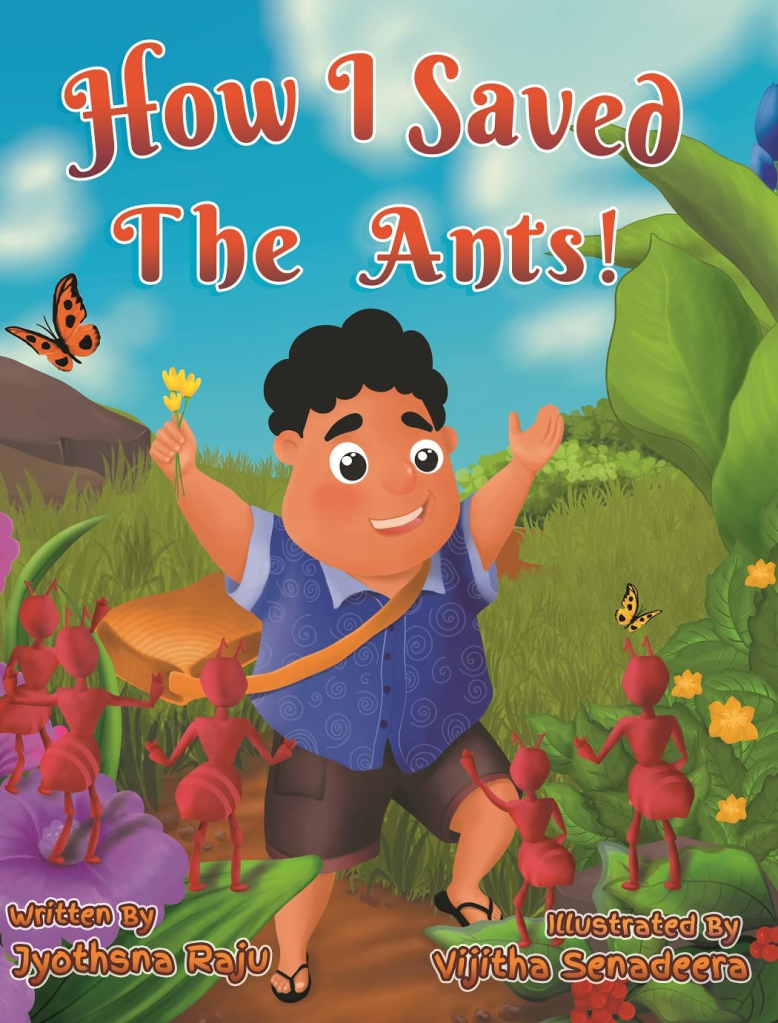
Cheeku is a mischievous boy who lives with his grandmother. He tries to avoid getting up for school but reluctantly rises and steals mangoes from the monkeys on his way. But the monkeys chase him and he falls into a tunnel where his adventure begins.
Cheeku meets an ant colony. The queen grants him magic powers to be both a boy and an ant. In the following days, Cheeku discovers the value of friendship, the meaning of forgiveness, and the definition of teamwork.
Can a naughty little boy learn a valuable lesson from these tiny creatures?
Colorful, expressive illustrations that evoke strong emotions link the story effectively to the lessons taught. A multicultural tale that teaches and entertains elementary school children.
SUBSCRIBE TO THIS BLOG FOR NEW BOOK REVIEWS EVERY WEDNESDAY AND SUNDAY.
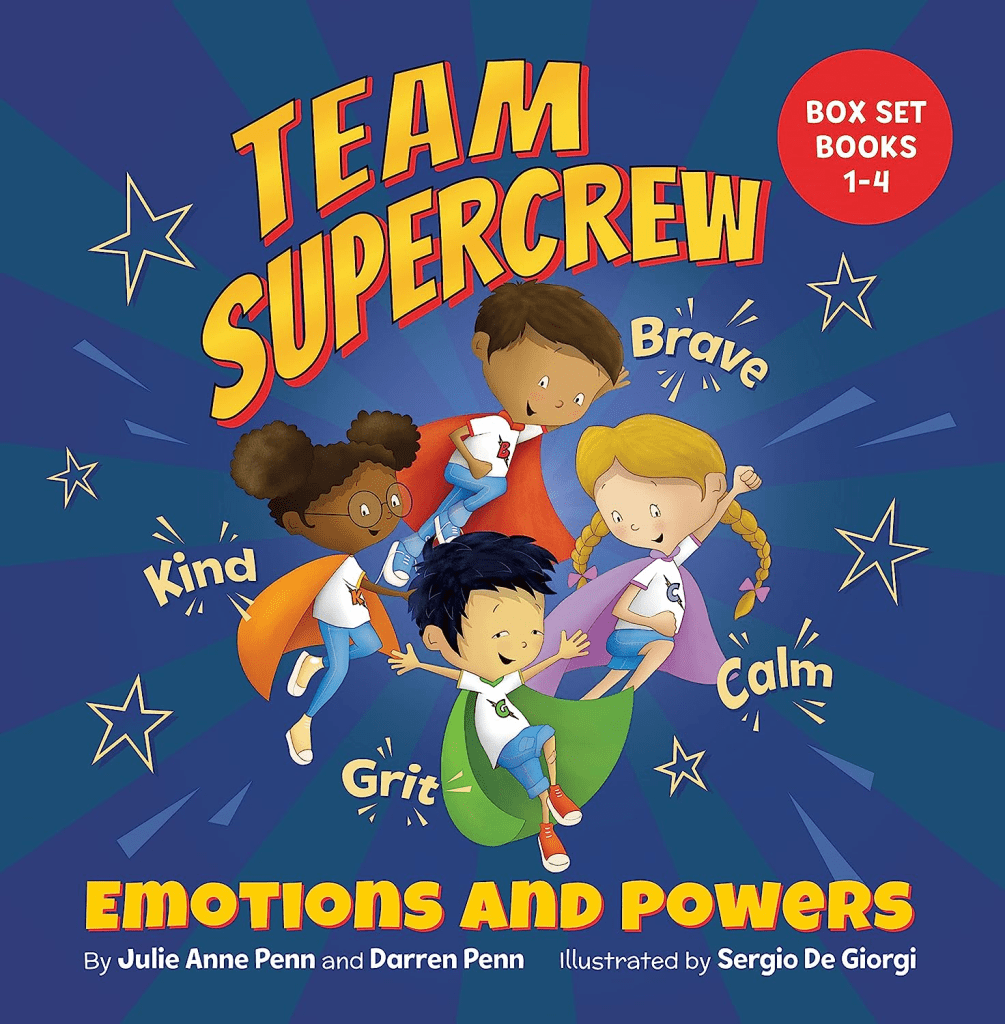
This multicultural picture book assists elementary school readers to discover positive ways to discover and understand their emotions.
In the first book, the author introduces Sarah, who is about to attend her first day of school. Sarah is talking to her favorite superhero Benny who assures her fears are unfounded. He points out the positive situations and new experiences that could lie ahead in school.
Sarah understands the power behind, “What if?”. As a brave member of team supercrew, she has the power to be brave and unafraid.
I like the addition of an exercise for readers about how to build their own superpower skills. Look forward to reading the rest of the series.
SUBSCRIBE TO THIS BLOG FOR NEW BOOK REVIEWS EVERY WEDNESDAY AND SUNDAY.
Social media has become an integral part of our everyday lives. Parents use it, just like their children. However, on average, teenagers are the ones who spend the most time on Facebook, Instagram, Snapchat, Twitter, and similar platforms.
This leaves many parents worried. Some are afraid that this habit will grow into an addiction, while others are concerned about cyberbullying, over-sharing, and an “all-about-attention” attitude.
Author Donna Lynn Hope asks an important question: “How different would people act if they couldn’t show off on social media? Would they still do it?”
If our children were to be born in more innocent times, without social media, would they be any different?
Consider these questions:
How do we know what our children are doing online?
Is there a way to control our child’s behavior on social media, without invading their privacy and breaking their trust?
How do we recognize if social media is negatively affecting our children?
This topic is complicated, and there are no simple answers. However, if you ask your child about the time they spend on social media, you might be surprised at how willing they are to talk about it.
When you speak with them about their emotions and challenges, and address potential issues in self-esteem, you may find that social media won’t pose such a threat to them.
Even so, you may still be wondering how you can safely explore your child’s secret life on social media.
These solutions will help:
Dignify their devices. If you want to limit your child’s social media usage, avoid taking away their device. They will find another one. Help them find effective ways to self-regulate, instead.
● Teens are aware of the consequences this habit creates. Encourage them to reflect on these consequences and focus on the impact social media overload has on their personal, academic, and other goals.
Ask about the apps. Ask your child which apps they spend the most time on. Is it Instagram, Facebook, or perhaps Snapchat? Once you find out, install those apps on your phone, too, and figure out how they work.
● Some apps have geolocation which can pose a real danger. Try to manage your child’s social media activity by informing them of the danger rather than imposing your opinion.
● Don’t be a manager, be a mentor.
Help them to protect their privacy. Talk about privacy settings on different social media accounts. Some teens are not aware of this option.
● Agree with them to accept only the followers and friends that they know personally. This is not an easy task for a teen because the number of followers is often the barometer of popularity.
● However, if they understand the necessity for well-managed online presence, this shouldn’t be a problem.
Talk about sexting. Parents find the infamous conversation about “The Birds and the Bees” just as awkward as children do. However, now you have another level to deal with – sexting.
● Teens can often confuse sending explicit messages and photos for intimacy that might not exist.
● Talk about what it means to have a healthy relationship and how to develop and maintain one.
Overcome social media prejudice. Many parents believe that social media is completely, or almost completely, bad. However, it is neither good nor bad per se. It’s a new form of communication.
● When parents talk to their children about social media from this standpoint, the child is likely to withhold and hide information.
● Genuine curiosity and an open mind about your child’s interest in social media can make a significant difference.
Care about their emotions. Teenagers want their opinions to be heard. This especially goes for the things they’re passionate or angry about. Social media offers instant feedback to their posts, which makes kids feel listened to, validated, and acknowledged.
● However, if you offer empathy for challenges your child is facing, you can provide listening and validation inside of your family, too. This will give you an insight into what your teen posts on social media and an opportunity to help them self-filter.
When your child asks you for the first time if they can open a social media account, avoid judging them or jumping to conclusions. Accept their need to engage in such community-based way of communication, talk about it, and help them build a safe profile.
Teach them how to protect themselves and what to expect.
You’ll never have all the information about their activity, but if you’re interested and understanding, you might get just the right amount.
 September 13, 2023
 bamauthor
 Comments Off on NO MORE WORRIES





 Barbara Ann Mojica's BLOG
You must be logged in to post a comment.