Posts tagged ‘emotions’

WORRY WART

Troubles and Doubles and Reflections Askew: The Case of the Two Emily Soos

Written by Dr. Drew Palacio

Illustrated by Apolline Etienne

A common dilemma. Emily is going to a party and doesn’t know what to wear. Looking at herself in the mirror, nothing looks right. Suddenly, the mirror begins talking to her? Can Emily find the courage to stand up for her convictions and show the world the real Emily?

I really enjoyed the crisp rhymes that employ lively language of sounds and alliterative phrases that roll off the tongue and make this book a delightful read aloud. Illustrations portray the emotions beautifully. Young readers get the message to stand up and use affirmations to transmit their true feelings to others.

I highly recommend parents, teachers, and counselors place this book on their must read bookshelves.

Go back

Your message has been sent

Warning
Warning
Warning.

EMOTIONAL OVERLOAD

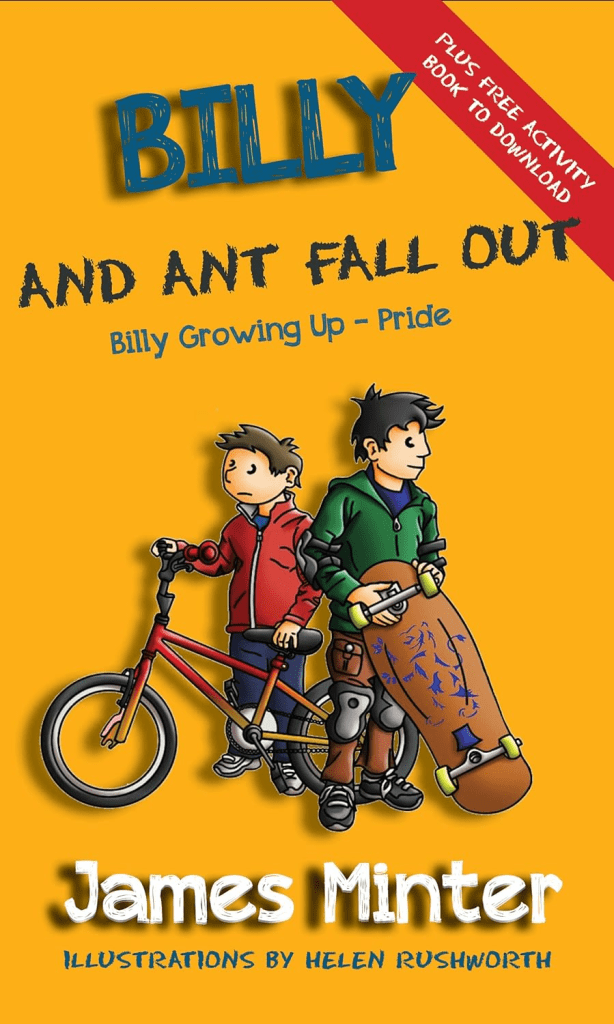
Billy and Ant Fall Out: Pride

Written by James Mintner

Illustrated by Helen Rushworth

This is book two of a series of books that assist preteens in dealing with emotions. The subject of this one is pride. Mintner begins by explaining the two types of pride, the first rightfully acknowledging accomplishments, and the second which originates from ego and a false sense of superiority.

Billy has an argument with his best friend, Ant. When Ant ignores him and finds new friends, Billy becomes jealous and resentful. Deciding he knows better, Billy hangs out with older children who soon offer him the opportunity to make wrong choices and get into trouble. When Billy steals Ant’s bike, it seems as if their friendship might be lost forever.

Can Billy find a way to return to his former self and restore his values? This book is accompanied with an activity book that children can use to reinforce the book’s message.

Recommended for children ages seven through nine who are beginning to experience independence and the new emotions which accompany it.

Go back

Your message has been sent

Warning
Warning
Warning.

Finally, Frustration Free

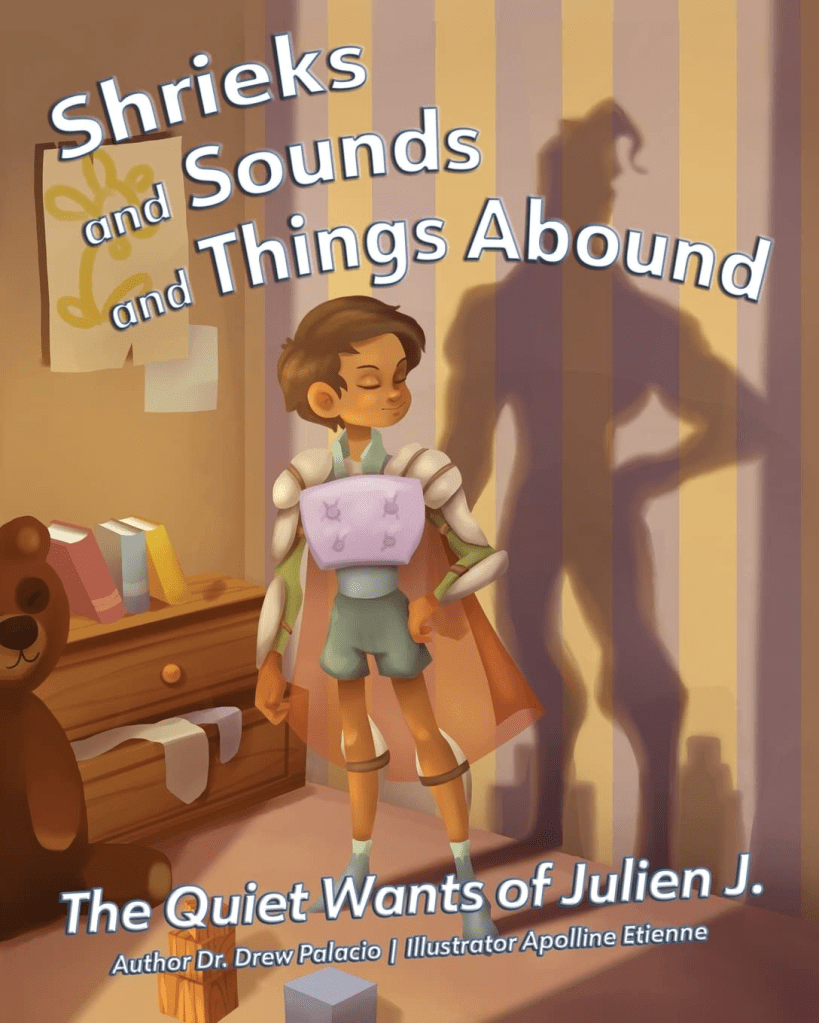
Shreiks and Sounds and Things Abound:The Quiet Wars of Julien J.

Written by Dr. Drew Palacio

Illustrated by Etienne Apollinne

Julien sits under the shade of a tree reading his comic book about his favorite superhero, but distractors keep getting in the way. Julien’s frustration escalates. Suddenly an amazing figure appears to offer some good advice that young readers might follow to release themselves from the anger engendered by minor frustrations.

The rhyming picture book draws readers into the emotions felt by Julien in the tale. Even adults can relate to how easily common frustrations arise within us to create uncontrollable feelings. This story uses a superhero to teach a valuable lesson on how to control our emotions.

Recommended highly to parents and teachers who are searching for an effective approach to help young children reign in harmful emotions that lead to frustration.

Go back

Your message has been sent

Warning
Warning
Warning.

COOL, CALM, AND COLLECTED

The Choices I Make: Children’s Book about Making Choices, Anger, Emotions Management

Written by Michael Gordon

Illustrated by Max Larin

A nice, rhyming picture book to open up a discussion on how to deal with anger for preschoolers and elementary school children.

When Josh discovers that his sister took his favorite toy, he lashes out at her. Josh’s dad hears the shouting and offers some advice to his son. Why not stop and think for a minute and then count backward?

In the coming days, Josh learns other ways to control his feelings when he feels anger rising to the surface. He does not like losing a game to his friends, being refused candy, or waiting patiently for his needs to be met.

Adorable illustrations and simple scenarios teach young children how to control their emotions.

SUBSCRIBE TO THIS BLOG FOR NEW BOOK REVIEWS EVERY WEDNESDAY AND SUNDAY.

Mind over Matter

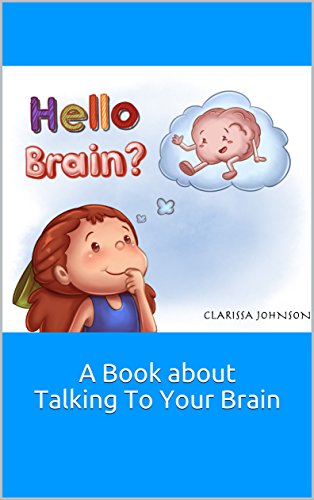
Hello Brain: A Book about Talking to Your Brain

Written by Clarissa Johnson

This book discusses mindfulness for children. It contains six stories about students in a classroom who experience different troubling situations. It begins with Sam, who is terribly shy and afraid to talk with anyone at school. Eve is frustrated because she views herself not smart enough to learn. Jane talks too much in class and can’t concentrate. Nick is grumpy, unhappy and cannot focus. Kate excels in school and sports, but cannot see the worth of other students. Will is a shy boy, who is often the victim of others who take advantage of him with unkind words and acts. In each situation, one of the other students approaches the child with a problem and reminds him that he can talk to his brain and take control of the situation to remedy the problem.

This book can be used by parents or teachers to guide discussions with individual children or a classroom group. It could be an effective resource for elementary and middle school students who are struggling with individual emotions and peer relationships. It is particularly recommended for students in the six to twelve age range.

If you enjoyed reading this post, please subscribe by clicking on the word Follow or by hitting the RSS FEED button in the upper right-hand corner of this page.

GOOD NIGHT, SLEEP TIGHT

Dreams: A No-Fluff Guide to Dreams Meanings, Dreams Symbols, and Nightmares Hidden Meaning…

Written by Jada Levitt

This book provides an interesting overview and analysis of dreams and how they affect us. Levitt begins her book with an introduction that defines dreams as a way for the subconscious to communicate with the conscious mind that allows one to relive or experience their emotions. Most people will spend about six years of their life dreaming. Most dreams are forgotten within ten minutes of waking up; even those who claim they don’t remember dreaming do so regularly. There are five stages of sleep, and it is only in the fifth stage that we can dream.

Levitt describes the most common types of dreams, which range from daydreaming, falling, fires, being chased, and swimming, among many others. While an exact diagnosis for an individual cannot be made, she describes the types of symbolism within each type and what that symbolism might suggest in a person’s life situation. For example, a dreamer finding herself back in school might be facing unresolved insecurities or facing situations in life now that involve new lessons to be learned.

The author explains what happens in each of the five stages of sleep, and how to best prepare for a good night’s sleep. She talks about why remembering dreams are important and suggest some techniques that will facilitate doing so. By taking stock of our dreams relating to what is happening in our daily lives, one will be better able to cope with daily situations.

If you enjoyed reading this post, please subscribe by clicking on the word Follow or by hitting the orange RSS FEED button in the upper right-hand corner of this post.