I Can Deal With Anger: A Children’s Book About Understanding Big Emotions and Learning Anger Management Skills. (I Can Books 5)
Written and Illustrated by Alicia Ortega
A lovely illustrated, rhyming book that is part of the I Can Deal with book series for elementary school readers.
Mia is a Queen, but she lives her life out in the real world. Mia goes to school and interacts with her peers. She experiences the same emotions and feels the same frustrations.
Mia’s teacher, Miss Luna, teaches her many techniques to handle Mia’s emotions. Mia learns to use positive affirmations, quiet spaces, writing in her journal, counting, and breathing techniques.
At the end of the book, the author provides a maze and a coloring page for readers to practice implementing some of these strategies.
This nicely illustrated multicultural book deserves a place on the shelf of home and classroom libraries.
SUBSCRIBE TO THIS BLOG TO RECEIVE NEW BOOK REVIEWS EVERY WEDNESDAY AND SUNDAY.
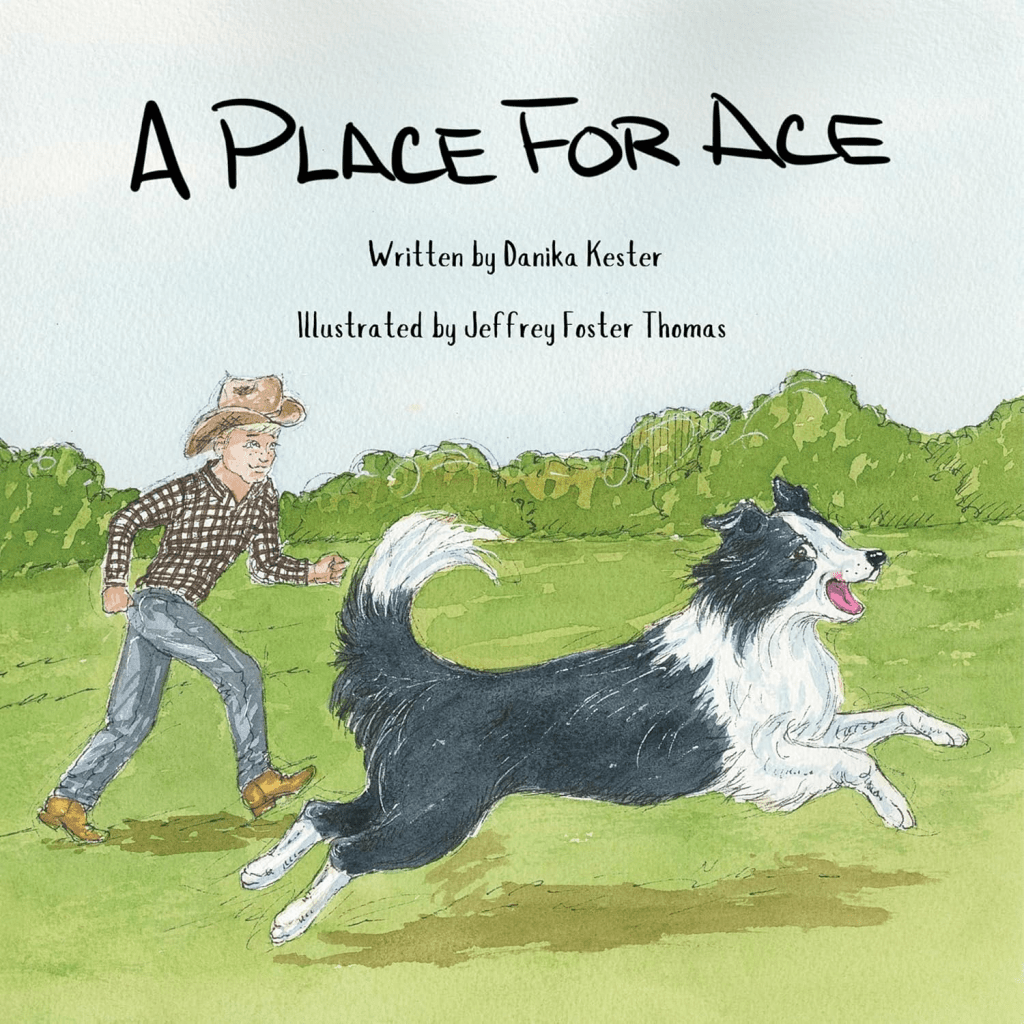
A Place for Ace (Charlie Learns to Be a Cowboy Book 2)
Written by Danika Kester
Illustrated by Jeffrey Foster Thomas
A preschool picture book that teachers young readers about life on Grandpa’s ranch.
Charlie is excited because today his herding dog, Ace will begin training for herding cows. Ace accompanies Charlie on his rounds to complete chores. In each instance, Ace appears to be distracted but actually is warning Charlie of danger.
When the time for herd training arrives, Ace appears to again become distracted and undisciplined. Ace teaches children that the traditional pattern of behavior is not the only way to complete the job.
Especially recommended for ages three through five and children interested in ranching and animals.
SUBSCRIBE TO THIS BLOG FOR NEW BOOK REVIEWS EVERY SUNDAY AND WEDNESDAY.
This fictional story is set in a rural Australian town in the 1930s. Willow Vale is a small town that lies at the end of a railroad line. This town has suffered a decline in population with little opportunity for upward mobility. Most of the inhabitants work on the railroad, in the mines or farming. The tiny schoolhouse has only four teachers and each classroom accommodates two grades.
Baddar and his sister, Delari are the offspring of the last Afghan cameleer and his wife, Rose, who is an aboriginal raised by missionaries. Baddar feels confused and trapped by his mixed heritage and feels he doesn’t fully belong to either group. He spends a lot of time with his friend Billy, with whom he has several adventures. Baddar’s family tries to help him by organizing a camel trip with his Afghan grandfather, but an accident mars the trip. When a brushfire threatens to destroy Willow, the aboriginals step up to team with Billy, Baddar and the citizens of the town to make a last-ditch effort to save their community.
There are a host of issues addressed by this fictional tale, coming of age, family and community struggles and relationships, cultural divides, poverty, and economics. The children set an example for the adults. Minor editing issues need to be addressed, and the plot tends to ramble on here and there, but the book gives a glimpse into a forgotten part of Australian history.
Middle-grade readers will enjoy the adventures and believable characters. Recommended for readers ages ten and older.
SUBSCRIBE TO THIS BLOG TO RECEIVE NEW BOOK REVIEWS EVERY WEDNESDAY AND SUNDAY.
Children’s book: The Torch of Peace (about relationships and better communication)
Written by Doron Erez
Illustrated by Abira Das
Oliver is a kindergarten student who dreams of a career in construction. Every night he dreams of building tall brick structures. At school, he enjoys acting out his dreams with toy trucks. One day he is playing with some other children who rent apartments in his building development when Rafael, the owner, passes by. Rafael demands that the children remove the bricks and play elsewhere because they are spoiling the appearance of his property.
When Oliver tells his dad what happened, Oliver’s father reads him a story about two native tribes who once argued over how to grow crops on the land and figured out a way to settle their differences. Oliver recognizes the lesson in the story and immediately finds a way to apply it to solve his problem with the property owner.
This book is written to teach young children how to communicate with each other and adults. It teaches them how to solve problems with words instead of actions. Highly recommended for preschoolers and primary grade children. Parents and teachers might use it to discuss problem solving and communication issues with peers and adults.
I received a copy of this book from the author and voluntarily decided to read and review it with my honest opinions for no compensation.
SUBSCRIBE TO THIS BLOG FOR NEW BOOK REVIEWS EVERY WEDNESDAY AND SUNDAY.
A little boy is terrified of monsters that come into his room at night. His parents try to comfort him. Eventually, his father comes up with a solution in the form of an agreement that is hung on the wall. A logical way to help the protagonist and the reader face irrational fears.
Then the book takes a sudden turn. When a cockroach enters the home, the boy decides to name him Moshe and befriend the creature. Unfortunately, his mother is terrified of Moshe. The boy must come up with a creative solution to save his friend and please his mother.
The rhymes are sometimes a bit difficult to read. I applaud the creative plot, but the English translation lacks fluidity.
A useful resource for a family with a young child who experiences night tremors.
SUBSCRIBE TO THIS BLOG FOR NEW BOOK REVIEWS EVERY WEDNESDAY AND SUNDAY.
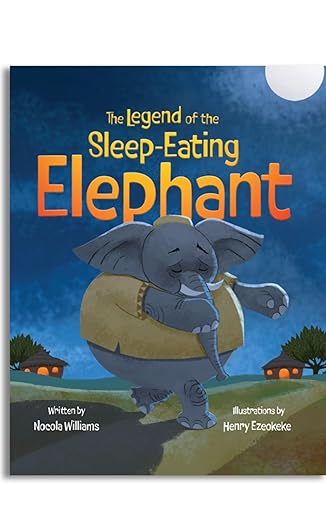
The Legend of the Sleep-Eating Elephant (Global Beekeeping Tales)
Written by Nicola Williams
Illustrated by Henry Ezeokeke
A charming legend from Kenya relates the tale of an elephant who cooperates with the humans and animals of his village by watering the crops.
One day, a cabbage is missing from the fields. On subsequent days, more crops are missing. Elephant becomes distressed as do the other animals and humans of the village. The members of the beehive community invent a clever solution.
Readers discover the problem and the innovative solution after reading this book. They also learn facts about elephants, honeybees, the environment, and conservation.
A good choice for the classroom or home bookshelf for children who enjoy learning about animals, problem-solving, and conservation.
Recommended for ages six through twelve.
SUBSCRIBE TO THIS BLOG FOR NEW BOOK REVIEWS EVERY WEDNESDAY AND SUNDAY.
Publisher’s Book Summary: The Night Everything Changed: A Magical Story of Growing Up Fast and Learning Who You Are
What if you woke up tomorrow… a different person?
In Al’s Journey, young readers are invited into the magical story of a boy who grows up overnight—and must learn what it means to grow truly. With dreamlike illustrations and a message that resonates with kids and adults alike, this gentle parable offers a meaningful bedtime read and a touching reminder of the changes we all go through.
Perfect for ages 5 to 9, this book explores:
The mystery and beauty of growing up
Emotional self-awareness for young readers
Gentle lessons in identity, transformation, and empathy
Give your child a story they’ll never forget—with a lesson that will stay with them forever.
Can a child grow up overnight?
Al’s Journey is a magical tale about an orphan boy and his wise grandfather, the shaman of a gold-obsessed tribe that disregarded eating and sleeping while searching for the yellow metal. On his 100th birthday, the shaman announces to Al that it is time for him to begin his own life journey. The boy must climb the mountain alone to reach the roofless sacred hut of the old shaman, where he can ask God crucial questions. As Al makes his way up the mountain peak guided by mystical fireflies, he faces challenges that test his courage and strength. When he finally reaches the summit, Al asks the creator profound questions about the true meaning of life. The valuable experience of the voyage and the response of the supreme being help Al grow mentally, emotionally, and physically overnight and become the healer his tribe needs.
His name is Marin* and he marinates his picture books in a creative concoction brewed on the very beach of the Atlantic East Coast. Marin writes the stories, illustrates the pages, designs the covers, arranges the layout of the elements, and publishes the books. Sometimes he creates new fonts for his titles to make them complete pieces of art. His food-for-thought creations contain only natural ingredients. They are nutrient-dense and perfect for a balanced brain diet.
WARNING: Marin’s books tend to inspire young readers!
*Recipient of the Literary Titan Book Award, Wishing Shelf Book Award, and Creative Child Magazine 2025 Picture Book of the Year; 2024 American Book Fest finalist
This stunningly illustrated picture book offers much food for thought for beginning readers. Marin relates a familiar tale of greed, portraying villages that forget the importance of human dignity while relentlessly pursuing their quest for gold and material wealth. Alongside that storyline, an elderly shaman struggles to train his young adopted grandson to assume the responsibilities as the village shaman. This young boy, Al, climbs the mountain to answer three questions and save his people.
Adults reading this book aloud are given multiple opportunities to explore deeper questions, such as the spiritual nature of God and the important values of life, including empathy and the dignity of the human spirit. Al must learn to assess his own strengths and abilities as well as his frailties. Readers are then encouraged to evaluate their own.
GIVEAWAY
Everyone who enters the giveaway will receive links to download two of Marin’s creations: a free e-book and a free audiobook! One grand prize winner will receive $200 via PayPal along with the audio version of Al’s Journey. Another winner will receive $50 via PayPal and the audiobook, and a third winner will receive $20 via PayPal and the audiobook.
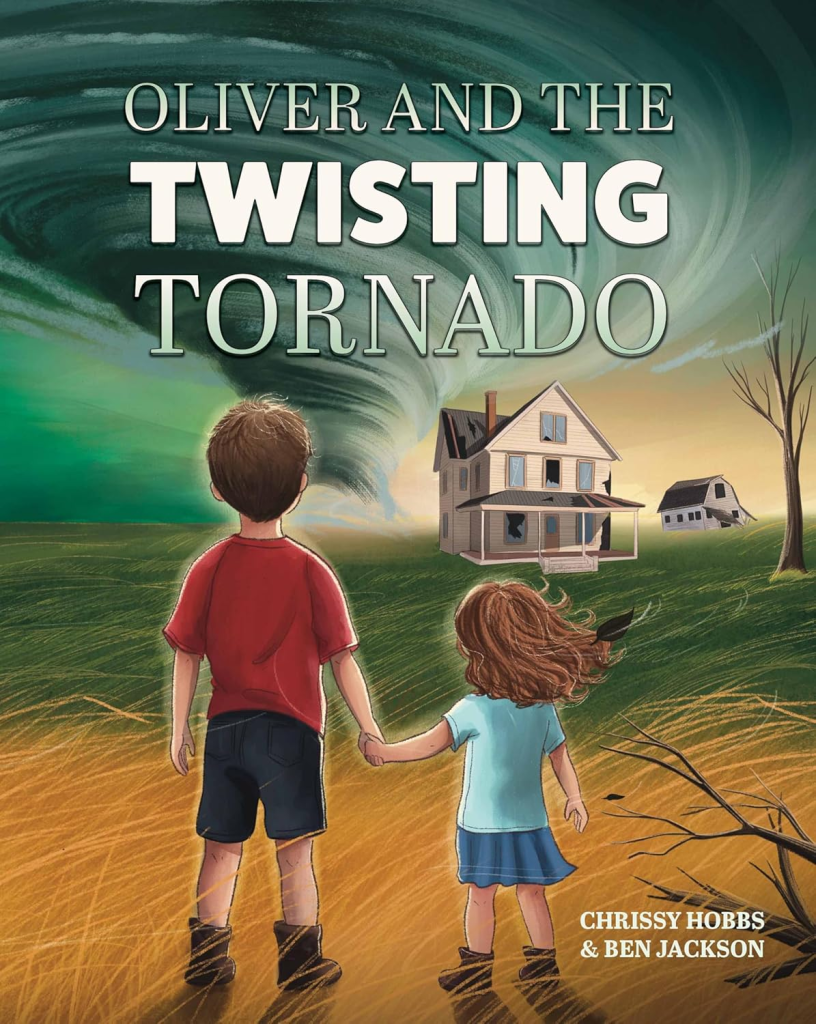
Oliver and the Twisting Tornado (Navigating Natural Disasters Book 2)
Written by Chrissy Hobbs and Ben Jackson
Illustrated by Tanya Zeinalova
This book is part of the Navigating Disasters series for children. The text is written in clear language to prepare children who live in areas that are prone to tornadoes. Without being scary, it clearly defines the steps that are necessary to plan ahead and then the actions necessary to keep safe.
Oliver and Emma live on a farm. They learn what to do. Although the children are apprehensive, their parents have prepared their farm and storm shelter. Readers are provided with a checklist and a certificate to prove that they have carefully read the story and know how to prepare their families and communities to do the same.
I highly recommend the book for parents and teachers who live in communities that may be susceptible to tornadoes as an excellent resource guide.
SUBSCRIBE TO THIS BLOG FOR NEW BOOK REVIEWS EVERY WEDNESDAY AND SUNDAY.
Why This Course Matters Helping your kids develop resilience and independence is a challenge—especially when peer pressure enters the picture. This course is designed to give parents the tools to: • Raise strong, self-assured kids who can handle pressure with grace. • Support your child’s unique personality and interests without losing confidence. • Feel empowered to tackle common parenting challenges with guidance and ease.
Limited-Time Enrollment – Only $97 This special launch price is available now to help as many families as possible empower their child to withstand peer pressure. Ready to Build Confidence? Reserve Your Spot Today! [Enroll Now] Weekly videos and materials delivered via email to complete at your own pace!
Peer Pressure Playbook Course: Equip Your Kids with the Confidence to Stand Strong!
Peer pressure doesn’t just affect kids—it affects families. My Peer Pressure Course is designed for parents who want to help their children build inner strength, make independent decisions, and resist unhealthy influences. With expert guidance and real-world strategies, you’ll learn how to raise a child who confidently stays true to themselves. Let’s create a future of empowered, resilient kids together.
Proven Strategies from a Lifetime of Experience
You deserve expert guidance! With over 40 years in education, I’ve crafted this 5-week video course in bite-sized 30 minute lessons to help parents like you foster resilience in kids. Don’t miss this first-time offer at a special low cost—your child’s confidence is worth it!
The Adventures of Pookie: Home is Where the Heart is
Written and Illustrated by Rebecca Yee
A story about animal adoption from the point of view of the dog being adopted.
Children meet Pookie, who is excited to meet her new owner. Readers follow her journey as she explores her new surroundings and the loving care of Pookie’s new human family.
The illustrations are simple yet expressive and evocative of the appropriate emotions. I would recommend this book to young children who want to adopt, and as a teaching tool to explain the shelter adoption system.
This book is recommended for toddlers, preschoolers, and primary-grade readers.
SUBSCRIBE TO THIS BLOG TO RECEIVE NEW BOOK REVIEWS EVERY WEDNESDAY AND SUNDAY.

 October 22, 2025
 bamauthor
 Comments Off on Name It, Breathe It, Tame It






 Barbara Ann Mojica's BLOG
You must be logged in to post a comment.