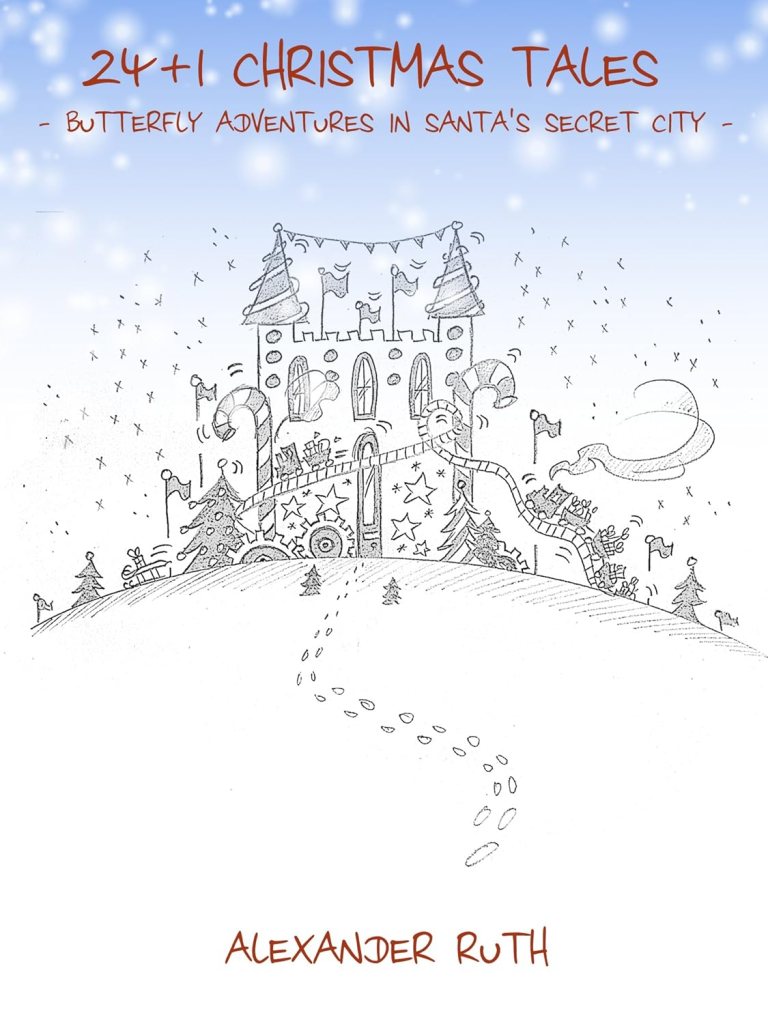
24 + 1 Christmas Tales – Butterfly Adventures in Santa’s Secret City
Written by Alexander Ruth
Translated by Maxine White
The book contains very short magical tales that take place in Santa’s village. Butterflies and a Phoenix are introduced as Santa’s helpers.
At some points, the stories may be confusing. The vocabulary can be difficult for beginning readers. This may be the result of translation from German. I would suggest using the book as a countdown to Christmas, perhaps a parent reading one story before bedtime each evening.
They are definitely unique. Recommended especially for children ages six through ten.
SUBSCRIBE TO THIS BLOG FOR NEW BOOK REVIEWS EVERY WEDNESDAY AND SUNDAY.
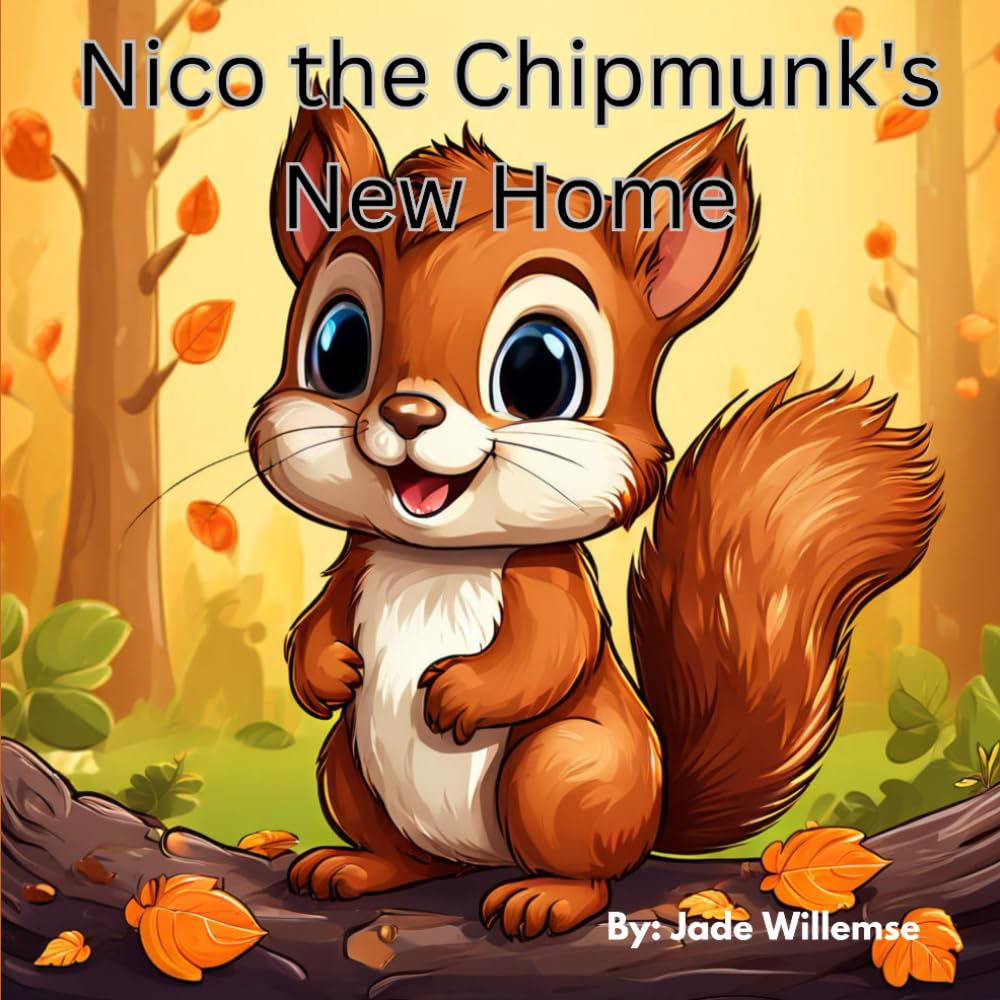
The story of a chipmunk who wakes up one day and decides that he needs to find a permanent home. Nico goes off through the forest to find someone willing to share a dwelling.
Nico travels for a while, meeting several different animals. None is willing to share. Each time the message of rejection is repeated with the same vocabulary. The illustrations are simple and rather generic.
The book will appeal to young children in preschool or kindergarten who enjoy animal stories.
SUBSCRIBE TO THIS BLOG FOR BOOK REVIEWS EVERY WEDNESDAY AND SUNDAY.
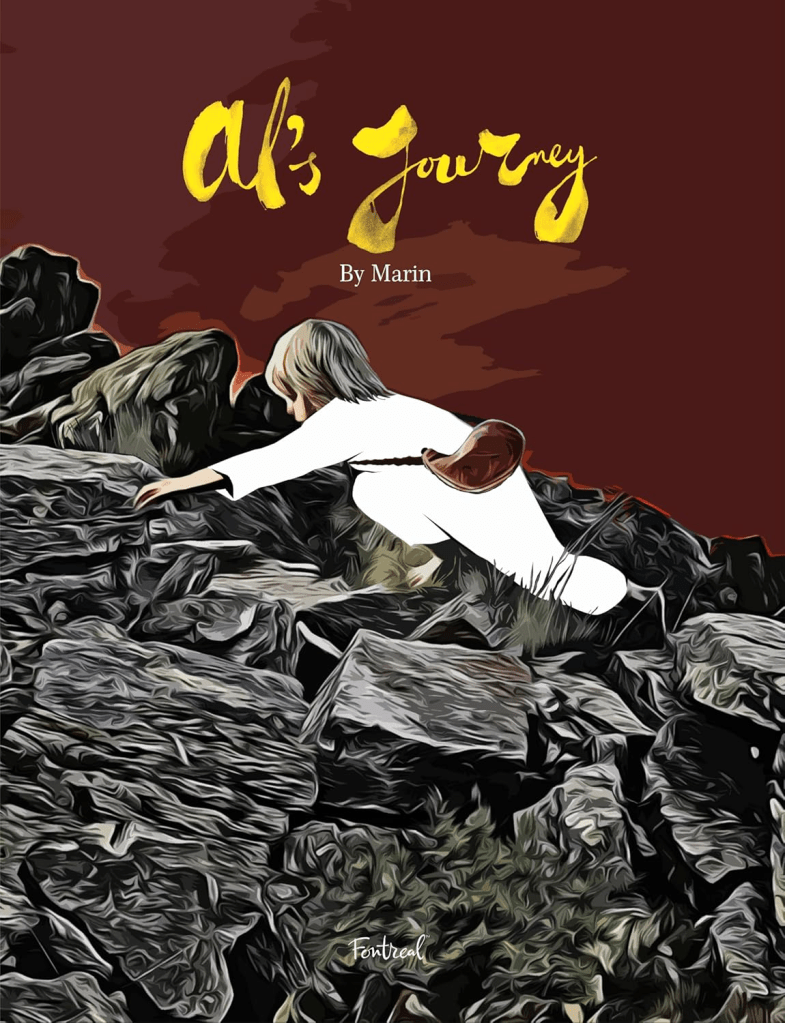
Al’s Journey: The Night Everything Changed: A Magical Story of Growing Up Fast and Learning Who You Are
Written and illustrated by Marin Darmonkow
This intriguing book contains 32 illustrated pages, but is far more than a picture book story.
The author has combined an earthly tale with mystical elements. At the outset, readers encounter a young boy being raised by his grandfather, who is the shaman of the village. When the shaman turns one hundred years old, he informs his grandson that he must climb the mountain to talk with God about his mission and purpose in life. The boy is guided by fireflies as he continues on his journey.
A book that begins as an adventure story becomes one of philosophical questions as the boy must grow up virtually overnight. Older readers will come face-to-face with finding answers on their own journey.
The illustrations are compelling. They draw the reader into the story and rapidly change its mood as the story evolves. This is a book that can grow with the reader who will return to it time and time again.
SUBSCRIBE TO THIS BLOG FOR NEW BOOK REVIEWS EVERY WEDNESDAY AND SUNDAY.
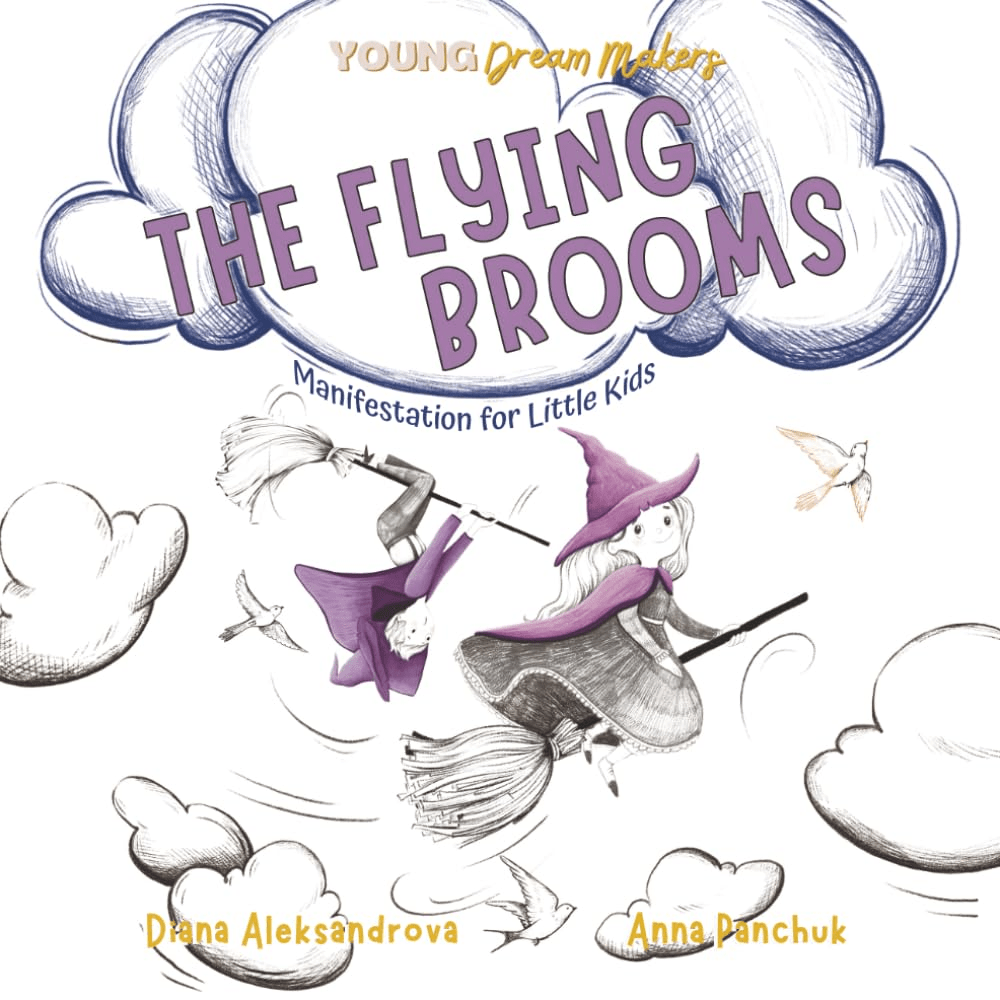
The Flying Brooms: Manifestation for Little Kids (Young Dream Makers)
Written by Diana Aleksandrova
Illustrated by Anna Panchuk
At first, Leo is apprehensive. Ellie appears confident. They face many challenges while flying in bad weather up in the clouds. The children teach readers the need for resilience, determination, and persistence.
The twins learn that if they can imagine it, they can achieve it.
Illustrations possess a magical feel, blending with the story seamlessly.
I recommend it for parents and teachers of elementary school readers.
SUBSCRIBE TO THIS BLOG TO RECEIVE BOOK REVIEWS EVERY WEDNESDAY AND SUNDAY.
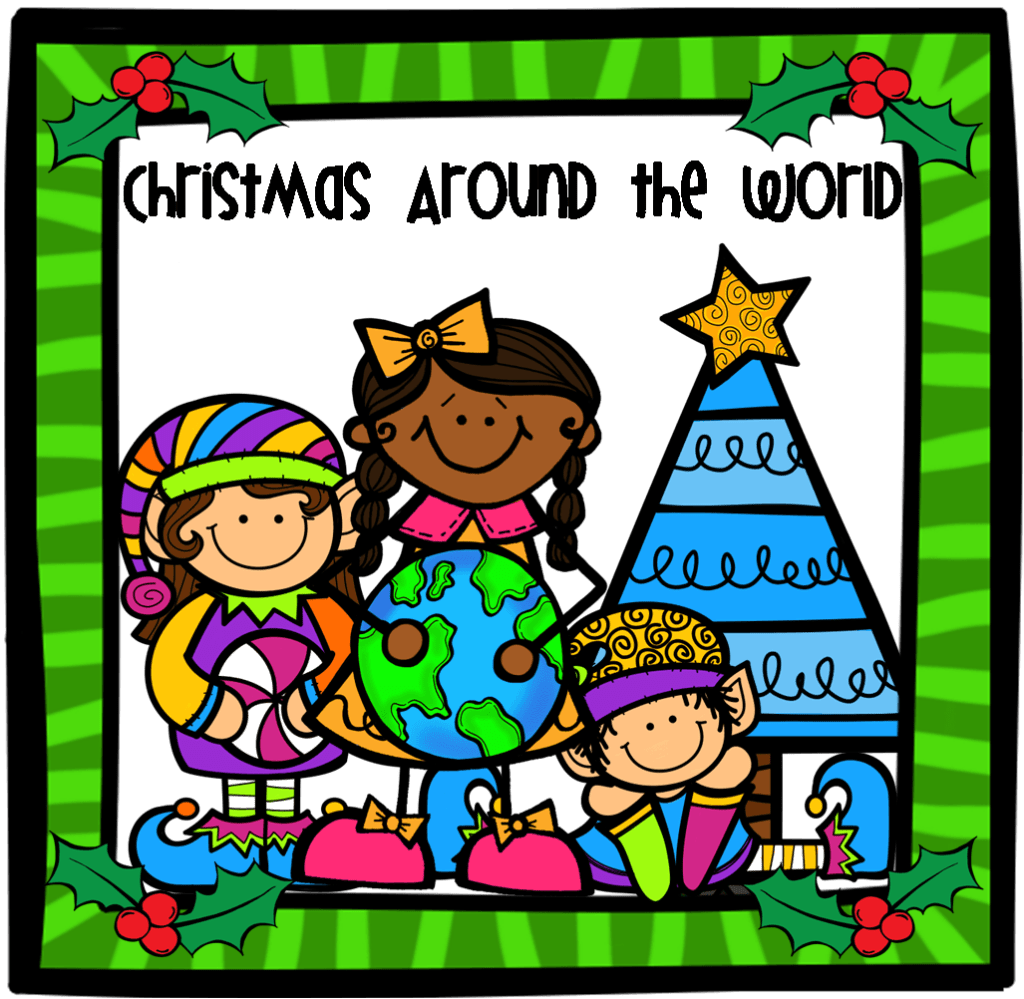
December is well-known for Christmas but do you know how people in countries around the world celebrate it? Here are some customs from various parts of the world that parents or teachers can use to jumpstart a multicultural holiday customs activity for the children in your family or classroom.
Australia
Greeting – Merry Christmas Santa’s Name – Santa Claus. Children leave him a piece of cake or biscuits and a glass of milk or a bottle of beer. Food – Many Christmas dinners include roasted meats and vegetables, special fruit cakes, and puddings with a coin baked inside. Since the temperature can reach 100 degrees Fahrenheit, people are starting to eat cold meats and salads, tropical fruits like mangoes, and stone fruits like plums. Often, the main meal is eaten for lunch. Gifts – These are left under the Christmas tree and opened Christmas morning. Decorations – Shops and homes are decorated with tinsel, Christmas trees, decorations for the holiday, and special lights. Customs – Traditional and Australian carols are sung by candlelight on Christmas Eve and are broadcast on television. On Boxing Day, the day after Christmas, two sporting events take place: The Boxing Day Test Match (cricket game) and the start of the Sydney to Hobart Yacht Race.
Brazil
Greeting – Feliz Natal Santa’s Name – Papai Noel (Father Noel), who is dressed in a red, silk suit with boots. Food – Many people eat a traditional feast with roast turkey and vegetables, while others eat chicken and rice or beans. Beer and wine are also served. Some regions begin eating around 9 PM on Christmas Eve, while others eat around midnight. Gifts – Local charities take in donations but do not seem to have enough presents for all the children. Decorations – Brazil has a mixture of people so Christmas is celebrated in different ways. In the northeastern area, it is common to find Nativity Scenes; in the southern part, snow is simulated with little pieces of cotton on pine trees. Customs – Brazilians sing a number of Christmas carols.
Greece
Greeting – Eftihismena Christougenna Food – Special holiday cakes are baked. Gifts – Most Greek people exchange gifts on Saint Basil’s Day, January 1. Customs – To honor Saint Basil, the holiday cakes have gold coins hidden inside them. The cakes are cut at midnight on New Year’s Eve. Whoever has a gold coin in his piece of cake will have good luck the following year.
Hungary
Santa’s Name – Actually, the Baby Jesus is said to bring presents on Christmas Eve. A bell sounds signaling that the Angels have brought the tree and gifts. Customs – On December 5, children leave out their shoes. During the night, Mikulas and Black Peter come to fill them with goodies for well-behaved children and switches for naughty children. India Decorations – Sometimes, houses are decorated with mango leaves; mango or banana trees are also decorated. Small, clay, oil-burning lamps are placed on the edges of flat roofs as decorations.
Israel
Greeting – Chag Semeach (Happy Chanukah) Santa’s Name – Actually, parents, grandparents, and other family members give presents to the children. Food – Because oil is an important part of the holiday, many foods are prepared with it. A favorite is potato latkes (pancakes). Gifts – Since Chanukah lasts for eight days, children may receive one present each night. Decorations – Jewish stars, blue or silver foil garlands, dreidels (spinning tops), Chanukah gelt (chocolate coins), and pictures of the Macabees (Jewish army that recaptured the Holy Temple and Jerusalem from the Assyrian Greek King Antiochus) are found around the house. Customs – The menorah (candelabra) is lit each night. On the first night, one candle is lit; on, the second night, two candles; and so on until all the candles are lit on the eighth night. After lighting the candles, families eat a festive meal, dance, play games, and open presents. They also attend Chanukah parties.
Japan
Greeting – Kurisumasu Omedeto Santa’s Name – Santa Kurohsu. He does not appear in person but is pictured in advertisements as a kind old man with a round sack on his back. Food – Depending upon the family’s custom, they eat turkey on Christmas Day or on Christmas Eve. Japanese families also eat Christmas cake. Gifts – Stores sell merchandise for men, women, and children; and on Christmas Day, families exchange gifts. Decorations – More and more artificial Christmas trees are beginning to appear. They are decorated with small toys, gold paper fans, dolls, lanterns, paper ornaments, and wind chimes. A popular ornament is the origami swan. Other decorations are mistletoe, evergreen, tinsel, and lights. An amulet is put on the front door for good luck and children exchange ‘birds of peace,’ pledging there must not be anymore war. Customs – The daiku, or Great Nine, refers to Beethoven’s Ninth Symphony and is performed many places.
Mexico
Greeting – Feliz Navidad Customs – Beginning on December 15, some families carry colorful lanterns and walk from house to house in their neighborhoods, each night, until Christmas Eve. This is called La Posada, which means ‘the procession.’ On each of the nights, the families are invited into different houses where they become guests at a party. There is plenty to eat and drink. Children play the pinata game, trying to break open the papier-mache figure with a stick while blindfolded; when it is cracked open, candies and small gifts fall out.
Netherlands
Greeting – Hartelijke Kerstroeten Santa’s Name – Sinterklaas (St. Nicholas), who wears a red bishop’s hat and bishop’s cloak and has white hair and a white beard. He arrives on a white horse with his servant, Black Pete, to put small gifts in children’s wooden shoes. Food – The Dutch people eat lots of marzipan, spiced ginger biscuits, tall chocolate letters, and ‘bankletter’ – initials made of pastry and filled with almond paste. When they are around the Christmas tree singing songs, they eat ‘Kerstkrans’ – a Christmas ring. Gifts – On December 6, after hearing a knock at their door, children find a bag full of toys, nuts, and gifts. Decorations – The Christmas tree is known as the Paradise Tree. Decorations of the season include dolls, musical instruments, fruit, candies, and lights. Customs – The Dutch sing carols, the most popular one being “O Christmas Tree, O Christmas Tree.”
Sweden
Greeting – God Jul Food – Coffee, cakes, and special buns are served on Santa Lucia Day, December 13. Customs – Santa Lucia Day honors Saint Lucy, who helped blind people. The oldest daughter in each Swedish household dresses in a white gown with a red sash, wears a crown of evergreen with seven candles in it, awakens the family with a song, and serves the coffee, cakes, and buns. Each town and city also chooses a young woman to be Lucia for the day. She then serves coffee and food to the townspeople at schools, hospitals, and other public buildings. From these women, a national Lucia is chosen; followed by a parade, feast, and dance.
Now comes the fun part. Let your children put the information in a comparison chart. Label the left side with the names of the countries and the bottom with the various information (ie: Greeting, Food, and so on). Then fill in the boxes!
Let your children do research Conduct research to find out the same customs for other countries, especially the heritage countries of students in your class or your own family.
SUBSCRIBE TO THIS BLOG FOR TEACHING RESOURCES THAT TEACH KIDS HOW TO THINK, NOT WHAT TO THINK
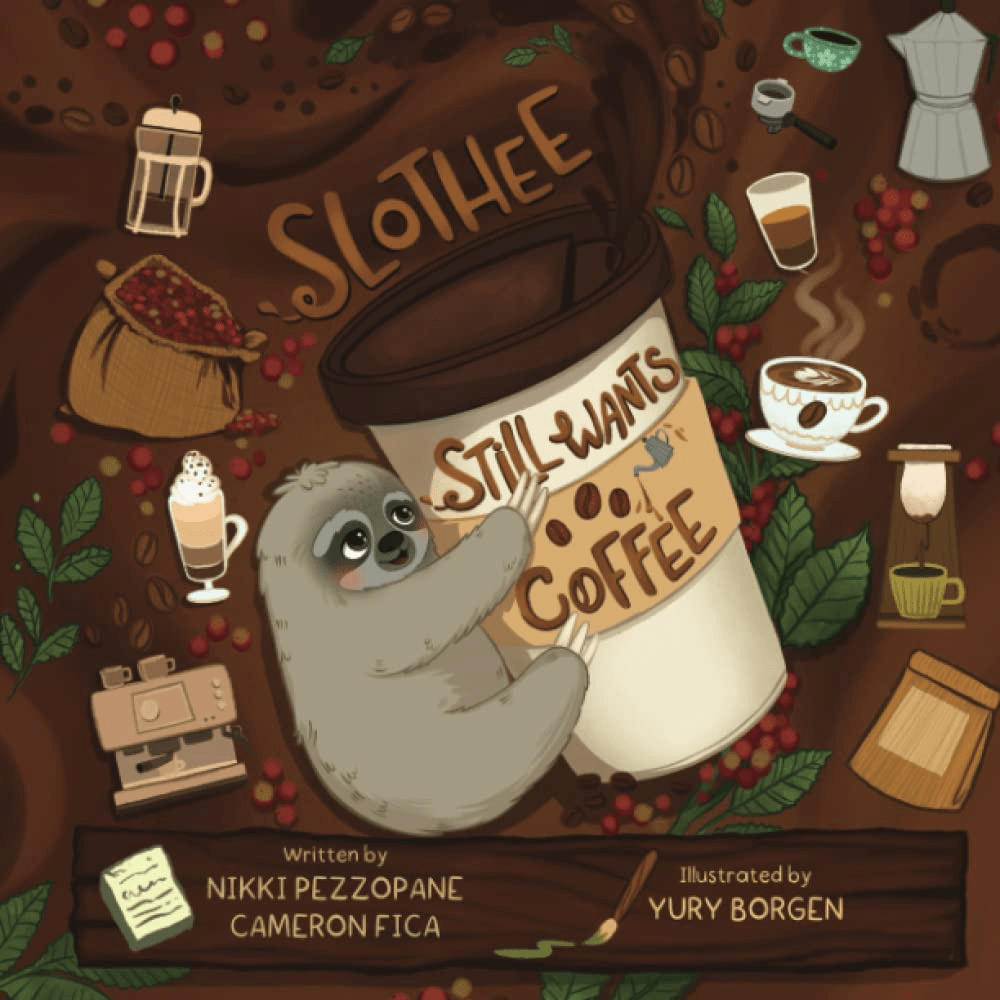
Slothee is off on another exciting adventure. He is determined to find the best coffee in the world. This adventure includes several countries notable for their coffee.
Slothee begins the journey in Peru, where he meets Lucia Llama and explores Machu Picchu. He introduces readers to the Mayan ruins in Mexico. Then he lands in Jamaica, before jetting off to far-away Uganda in Africa and Vietnam in Southeast Asia. Children learn about the types of coffee grown in each country, meet local animals, and sample local culture.
A good choice for elementary age readers to learn about local cultures, coffee, and the culture of several countries.
SUBSCRIBE TO THIS BLOG TO GET NEW BOOK REVIEWS EVERY WEDNESDAY AND SUNDAY.
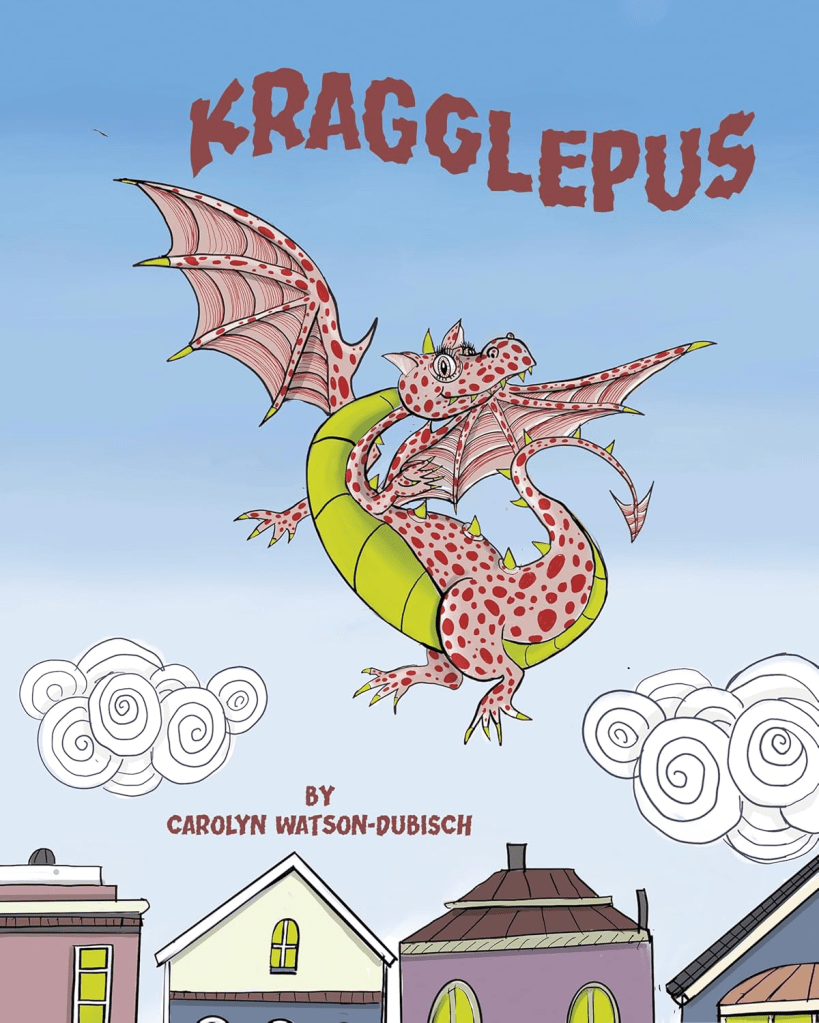
An almost wordless picture book that invites the young reader to use imagination to interpret the story.
The protagonist is a dragon who gets lost and finds himself in a strange world inhabited by humans. Dragglepus introduces the reader to foreign creatures as well as familiar everyday objects. The author invites the reader to combine them and create an original tale.
Whimsical and colorful illustrations enhance the book. This book will be enjoyed over and over by readers ages three and older.
Subscribe to this blog for new book reviews every Wednesday and Sunday.
Publisher’s Book Summary: Alex, Kali, and Roman are three fifteen-year-old friends who live in a small town. Alex is a great communicator, Roman is a bit of an inventor, and Kali is an intuitive empath. It’s summertime, and an adventure is triggered when they find themselves in the middle of a protest outside the local library by people who want to ban certain books. During the protest, people are focused on what they believe to be their Constitutional rights, causing the three teenagers to realize how little they know about the Constitution.
In their search for answers, they discover a book with magical properties, which becomes a catalyst in helping them discover what the Constitution is really all about.
Join the teenagers as this mysterious book enables them to travel through time and space—bringing to life historical figures like Ben Franklin, Wyatt Earp, Alice Paul, Ruth Bader Ginsburg, and many more. Each of these historical figures will teach them about the original Constitution and its amendments. Through the eyes of these three teenagers, you’ll be able to explore what it was like when the original Constitution was signed. You’ll even travel to other countries, like Russia, where you’ll meet Aleksandr Solzhenitsyn in a field within the Gulag where he was imprisoned.
The Constitution, by itself, can be a difficult document to read, but The Constitution Kids will bring it to life with unusual experiences, humor, and fun, no matter your age.
Gary J. Gabel, Ed.D., has spoken to groups throughout the United States on the subjects of personal takeover, accountability, and leadership. He has personally trained thousands of people, primarily in the areas of leadership, management, motivating performance, presentation effectiveness, sales, and customer service. He has worked with over 200 CEOs, helping them build high-performing teams.
Gary has written several books, including Day One, which was jointly authored with Tom Buck and published in 2020. Gary’s other book, Personal Takeover, was published in the United States by Career Press in 2003. It was translated into Korean in 2004, with an Arabic translation in 2005. The second edition of Personal Takeover was released in October 2019.
Gary was the 2001 Entrepreneur of the Year for Service Companies in Michigan. He has bachelor’s and master’s degrees in Economics and a doctorate in Education. He formerly served as Chair of the National Council on Education and Human Development at The George Washington University. His current memberships include the Oakland Schools Education Foundation Board of Trustees and Mensa.
Gary’s presentations at TEDxDetroit and others can be viewed on YouTube. Gary lives with his wife, Lisa, in Michigan, and they have two children and three grandchildren.
MY REVIEW OF THIS BOOK:
THE CONSTITUTION IS ALIVE AND WELL The Constitution Kids Written by Gary Gabel
The author correctly points out that the subject of the Constitution rarely comes up in modern schools. Gabel decides to remedy that problem by incorporating its story within the pages of a time travel adventure containing three unlikely friends. Kali, Alex, and Roman who display unique interests and talents. Kali is an empath, Roman a science and tech prodigy, and Alex, an excellent communicator.
On a summer day, the three fifteen-year-old friends encounter a protest demonstration and demonstrators claiming the right to gather under the Constitution. Curious, the friends decide to research the Constitution in the library. When they find and open an old book, they meet Ben Franklin who initiates a time travel journey on which they investigate the Constitution, and the Amendments added to it.
During this journey, the teens meet famous people like Thomas Jefferson, Albert Einstein, and Wyatt Earp. In addition, they journey back and forward in time to colonial times, visit slaves, a gulag, and Nazi Germany, among other places. The threesome experience how the Constitution works and the reasons why for each amendment.
Gabel details the characters as relatable and integrates the past and present seamlessly. Modern readers learn not only what the Constitution contains but why it evolved and how it works.
This book is a wonderful tool to teach civics and responsibility. I recommend it for the bookshelves of middle-grade and high school readers.
GIVEAWAY
Enter for a chance to win one of ten copies of The Constitution Kids. Enter below to bring this magical journey home!
Illustrated by Obayomi Aanuoluwapo and Dirisu David
A beautiful multicultural picture book that teaches children about life in rural Ghana.
Kwame is respectful, obedient, and grateful for his simple life in a rural village. In this story, Kwame wakes early to help his mother wash clothes by hand. Then he sweeps the dirt floor of his one room hut before dressing in his uniform to walk to school at the Royal Promise Mission. Today is a special day. The children from around the area will be marching to celebrate the anniversay of Ghana’s independence.
Children from around the world learn a bit about the food, flag, customs , language, and difficult life of a small rural village. Kwame provides a good role model for children. Charming illustrations and an interactive activity keep readers engaged with the tale.
Highly recommended to parents and teachers of elementary school readers.
SUBSCRIBE TO THIS BLOG FOR NEW BOOK REVIEWS EVERY WEDNESDAY AND SUNDAY.
This activity book provides a plethora of activities that are especially useful for rainy days or traveling. It contains a variety of activities which include mazes, dot-to-dot, tracing, and color by number pictures. There are many family scenes that are coloring pages.
A good choice for children who are dog-lovers. The Boston Terrier pups are adorable. It is available in kindle and paperback. The paperback pictures may be duplicated and used more than once.
Recommended to parents and teachers as a teaching tool or enrichment learning tool.
SUBSCRIBE TO THIS BLOG FOR NEW BOOK REVIEWS EVERY WEDNESDAY AND SUNDAY.
 February 1, 2026
 bamauthor
 Comments Off on SANTA GETS A NEW SPIN






 Barbara Ann Mojica's BLOG
You must be logged in to post a comment.