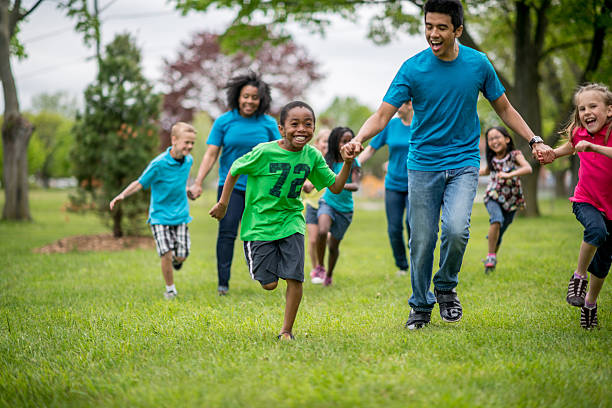
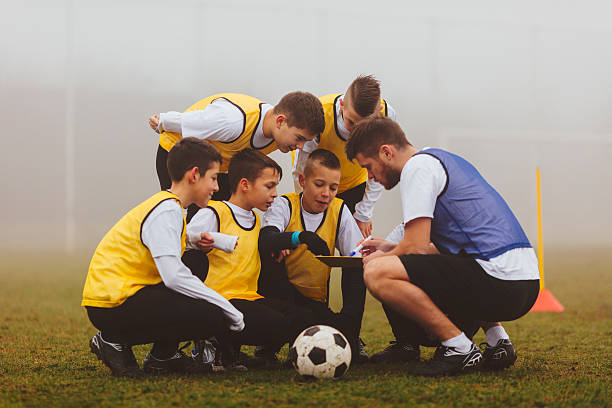
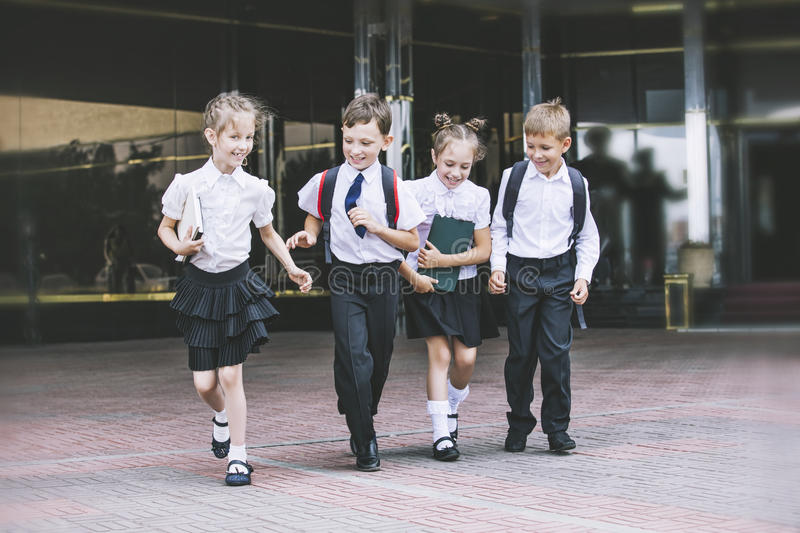
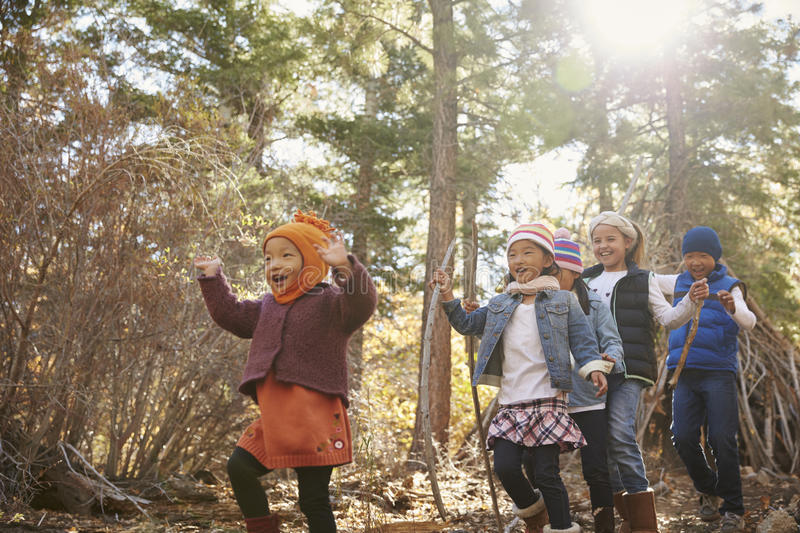
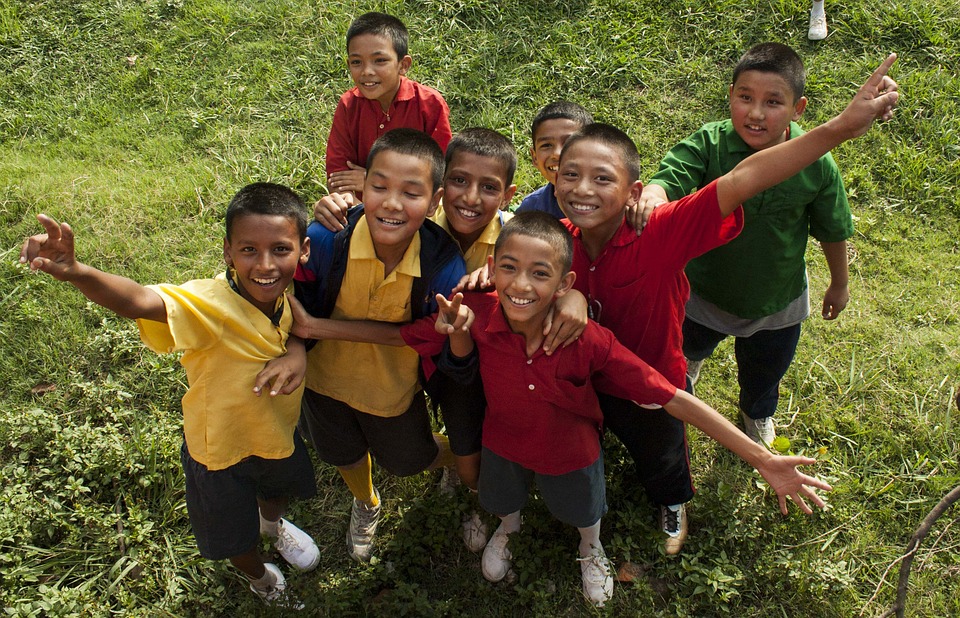
Is your child a strong leader? Do you suspect that he or she might grow up to be an effective and proactive leader? Maybe you aren’t sure what to look for. Does it matter if you discover leadership abilities early? Actually, some sources say it does matter. Observing leadership qualities early means parents, teachers and caregivers can work to develop those talents so they do not fall by the wayside.
If you want to make sure you develop your child’s leadership qualities, here are some signs to watch for. Some of them may surprise you!
Talkative
Does it sometimes drive you crazy that your child talks so much? Actually, being talkative may be a sign of things to come. A chatty nature indicates a child with excellent verbal skills, which are necessary for good leaders. Did your child talk early and proficiently? This may be a sign that he or she will be a good leader.
Treats Others with Respect
If you notice that your child seems to end up in responsible positions – team captain or band director – and you know he didn’t get that position because of “muscling” his way to the top or bullying others, then this may be a sign of leadership ability. Notice if others seem to “gravitate” toward her and wish to emulate her. Observe whether or not this is due to respectful treatment. If it is, you may have a strong leader on your hands.
Sees Both Sides
Some kids display an ability to understand both sides of an issue. They tend to be peace keepers, helping two arguing kids or adults to see reason, for example.
In the Know
Does your child always know what’s going on? Is he or she always aware of the latest events at school or in the family? This is not the same as being a gossip (that’s not a good leadership quality), but it does mean that he or she is paying attention and interested in what’s going on with others.
Inquisitive
A good leader is not afraid to ask questions, but he/she is not afraid to go looking for answers on his own. Too much questioning may indicate self-doubt – your child is always trying to make sure about things. On the other hand, healthy questions that spring from a real desire to know more about something may be a sign of leadership ability.
If you enjoyed reading this post, please subscribe by clicking on the word Follow or by hitting the orange RSS FEED button in the upper right-hand corner of this page.
This post is in partnership with The Children’s Book Review.I received a free copy of The Monster Twins to review. All opinions are my own.
THAT TWIN THING…
The Monster Twins
Written by Robert and Karen Hanvik HaHHhh
Illustrated by Ella Ransom
First book in a new series. Bella and Bertie are twins who have never met each other. When they were born, the rules did not allow them to live together. Why? Because they were monsters and the law said they must be adopted by separate human families.
Bella has been adopted by a couple who live in Singapore but travel all over the world. Bertie lives with a shy couple who live in London. Each have different personalities but have one thing in common. Both monsters feel that something is missing They each long for a best friend.
Will circumstances ever change? Will Bella and Bertie employ their twin skills to discover each other’s existence.
I especially liked the way the author introduces children to the fact that families can be different and that growing up in different cultures does not preclude similarities between siblings.
Publisher’s Synopsis: Bella and Bertie are twins, but they don’t know that, or each other. Separated while babies by bad law, they grew up 6000 miles apart, in Singapore and London. Follow the twins as they discover their shared past and do their best to make a better future for themselves, their families, and others like them.
So you have tried to create a home environment conducive to instilling leadership skills for all your children, whether they be preschoolers or teens. It’s been said that leadership starts at home and directly linked to early training. Experts disagree about how much leadership is inborn and how much is learned. I believe that it’s a combination of learning plus a child’s innate abilities.
If you’d like to do what you can to raise your children to be good leaders, here are some tips that may help.
Teach Them to Think
Some argue that the school system, whether it be public or private, teaches kids what to think rather than how to think. Common core curriculum has placed uniform requirements and testing standards on schools across the United States. There are likely exceptions to this – special schools and special teachers – but it’s entirely possible that your kids are not being taught how to think. So whether you homeschool or enroll your children in a traditional school setting, you might try some of these exercises to encourage independent thinking.
Give them an age-appropriate reading task that expresses a particular point of view. An opinion piece in the newspaper is a good place to start. Ask what your child thinks about it, and have him or her write an age-appropriate response. Do the same thing with an article that expresses a contrary or different opinion.
Encourage them to read about topics and books that covers a range of opinions and views.
Ask them if they agree or disagree, and why.
Any time your child reads something, ask him (or her) what he thinks about it. Find out what information he drew from the reading rather than finding out if he picked up what she was “supposed to” from the reading. Let them know it’s okay to disagree with parents and teachers. Encourage them to discuss the reasons behind their disagreement.
Leaders tend to be independent thinkers, so these exercises may go a long way toward teaching your child to be a good leader.
Teach Organization
This may be something of a challenge for parents who aren’t that organized themselves! On the other hand, for those parents who are very organized, you might find that you tend to organize everything for your kids without teaching them to do it themselves. Parents need to discover a comfortable balance between the two.
Give them a calendar and show them how to keep track of their own activities. Chore lists are an excellent way to help them organize their time. Age-appropriate chores and activities, written down or drawn on a calendar, can help kids “see” their time and how they are using it, even if they are too young to tell time yet.
Ask for Arguments
Huh! Are you joking with me? Ask your kids to talk back to you?
The art of arguing respectfully is an important leadership quality. We’re not talking about angry arguments. Think in terms of negotiation and persuasion. Ask your child to tell you why he (she) wants a certain thing, or why he should be permitted to attend an event or participate in an activity. This helps your children learn how to analyze his thoughts and present reasons that produce an argument to justify why he should achieve this goal.
If you enjoyed reading this post, please subscribe by clicking on the word Follow or by hitting the orange RSS FEED button in the upper right-hand corner of this page.
Mina’s Ups and Downs (Written in Traditional Chinese, English and Pinyini)
Written by Katrina Liu
Illustrated by Rosalia Destarisa
This bilingual picture book written in Chinese and English walks the reader through Mina’s first visit to a carnival. She is so excited. As Mina experiences the rides, the petting zoo, and the sights and smells of the carnival, she displays a range of feelings
Mina feels happy when she flies up in the air but disappointed when she is too short for the roller coaster. She finds it difficult to choose from so many foods She feels angry when the goats cause her to drop her ice cream and sad when she first loses a carnival game. Young readers get the message that it’s okay to experience a range of emotions and that all works out for the best in the end.
This book is an excellent choice for toddlers and preschoolers. My only criticism would be that the font for English is rather small and a bit difficult to read as the Chinese characters draw the eye to it.
If you enjoyed reading this post, please subscribe by clicking on the word Follow or by hitting the orange RSS FEED button in the upper right-hand corner of this page.
Parents and teachers want children to be independent thinkers. They encourage children to develop their own opinions and have the courage to stand up for them. Whether you are working with children who are yours or you’re a caretaker for someone else’s children, learning how to lead them effectively is important. You may want to lead your kids to practice a healthy lifestyle, develop better communication skills, or something else. In any case, good leadership is a way to reach your goals with the children in your care.
How do you become a good leader for kids? It can be hard to know if you’re not used to it, or if you didn’t have strong leaders when you were a child. Here are some tips.
Set an Example
You’ve probably heard “lead by example,” but that means more than just doing something and hoping your kids will notice and imitate your behavior. It also means being purposeful in setting an example, and you’ll need to stop practicing certain behaviors and pay attention to what you say.
For instance, if you want your children to be patient with others – an important leadership attribute – then take care that you’re patient with them. If you want your children to be able to make decisions like a leader, then make sure you’re not making all of their decisions for them. Don’t be a helicopter parent. Permit your children to make mistakes and learn from them. To lead by example, you need to think about more than just living out healthy, positive lifestyle choices (although that’s important, too). It’s also important to set an example of how to treat others.
Include Them
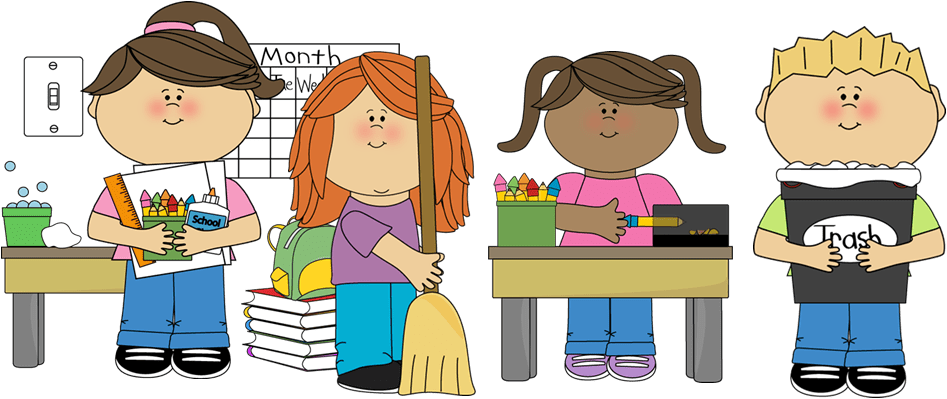
Whether you are a teacher or a parent, including the children in your care is important to instill leadership. How do you include them? First, let them help. In the classroom, this might be a simple task like collecting papers and passing out papers. Students might be allowed to write an assignment on the board for the teacher. At home, let your children be a part of your daily routines, helping you wash the car and clean the house. After all, these are life skills, and those are the building blocks for good leadership.
Delegate
Good leaders know how to delegate responsibilities and tasks. In your home or classroom, give kids many different responsibilities. You can set things up so that the children in your care have a job to complete, and they have to delegate tasks to others to finish it. A different approach could be to simply explain the task, and give a job to each child to get it done. They will see the value of delegating. Perhaps, you might may explain that many jobs cannot be completed by one person without help from others. Each child participating will still have the satisfaction of helping to get something done.
Allow Them to Help Others
Wherever you can, let your kids help each other without being bossy or bullying. In fact, being bossy is not a good leadership skill. This is important to emphasize when you are working with children in different age groups. Teach them how to help others in an appropriate way, and then set up a scenario where that help can happen. When older siblings learn how to mentor rather than supervise a younger sibling, they learn how to transfer this skill from the family to the outside world. This method works in the classroom or at home with friends and/or siblings.
To Sum Up
Children are like sponges. They soak up what they see and hear in the world around them. Adults are their first role models. Parents, teachers, and caretakers set the example for the youth who will become tomorrow’s future. We will reap what we sow.
If you enjoyed reading this post, please subscribe by clicking on the word Follow or by hitting the orange RSS FEED button in the upper right-hand corner of this page.
Publisher’s Synopsis: The secret to happiness? It’s written on a whale’s tail. At least that’s what Koa hears, and so he sets out in search of Wally Whale and the valuable knowledge that he hopes Wally will share.
Wally Whale’s Mighty Tail, one of the first books in the EQ Explorers series, teaches the powerful EQ principle: Happiness is a Choice. It’s a lesson of emotional intelligence that is essential for any child—including Koa, who learns as he journeys through the Pacific with Wally Whale.
Publisher’s Synopsis: The last thing Danny expects to come across during his hike in the forest is a very insecure bear. And yet, Compare Bear is precisely that—a bear who struggles to see his own strengths, and instead constantly compares himself to other animals, with astonishing results.
In Compare Bear’s Double Dare, one of the first books in the EQ Explorers series, Danny helps his unique new friend take to heart the powerful EQ principle: Be Yourself. Don’t Compare. It’s a lesson of emotional intelligence that is essential for any young reader.
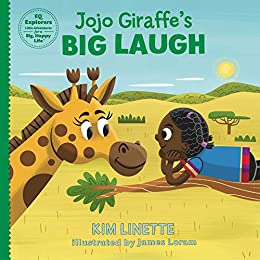
Publisher’s Synopsis: Jojo Giraffe’s Big Laugh, the third book in the EQ Explorers series, takes children on a journey through the African Savannah, learning what it means to be wonderfully unique along the way—just like the spots on each and every giraffe.
The story centers around the powerful EQ principle: Don’t Take Things Personally. It’s a lesson of emotional intelligence that is essential for any child—including Kali, who learns through a series of fun adventures with Jojo Giraffe.
Another happy book in the EQ Explorers series. Little Koa searches for Wally because the boy has heard that Wally has the secret to being happy written on his tail. Koa will be the leader of his tribe one day. Koa wants to know how to lead his people to happiness.
But Koa is dismayed when the message on Wally’s tail is smudged. He sees Happiness is a ch…. What are the missing letters? Wally teases Koa and plays a guessing game with him. Koa makes guesses like cheer, chocolate, and chair. Finally, Wally relents and provides the correct answer. He explains to Koa that our emotions are like the waves of the ocean. Sometimes we feel happy and sometimes sad. When you choose happiness, you can find ways to stay happy through tough times.
Discussion questions to illustrate the book’s lessons are included as well as fun facts about whales. Loram does not fail to disappoint with colorful multicultural illustrations.
Recommended for elementary school readers.
Compare Bear’s Double Dare
Danny is never afraid of trying something new. One day, he embarks on a hike through the woods. He meets an unusual bear. Compare Bear is afraid of climbing trees, racing, fishing, or roaring. Every time the bear finds another who is better than he at something, he stops doing it. To make matters worse, parts of his body change into that animal.
Danny urges him to be himself and dares him to compete. Will Compare Bear find the courage to accept himself and stop trying to be perfect?
Fun facts about bears and discussion questions are included in this beautifully illustrated picture book.
Jojo Giraffe’s Big Laugh
This book is part of the EQ Explorers, Little Adventures for a Happy Life. The profits from the sale of these books are donated to underserved children.
Kali is hiding in a tree crying because the other kids make fun of her for being short and spending her time climbing trees. Jojo passes by and encourages her to laugh. He shows her perspective, a new way of looking at things. The giraffe shares his personal experience with other giraffes. He encourages her not to take things personally and to value her own opinions of herself rather than those of others. As they walk and meet other animals like ants, hippos, and zebras, the lesson becomes clear.
Beautiful colors and expressive images foster the imprinting of the story on young minds. This book is a good choice for a read aloud or bedtime story for children in elementary school.
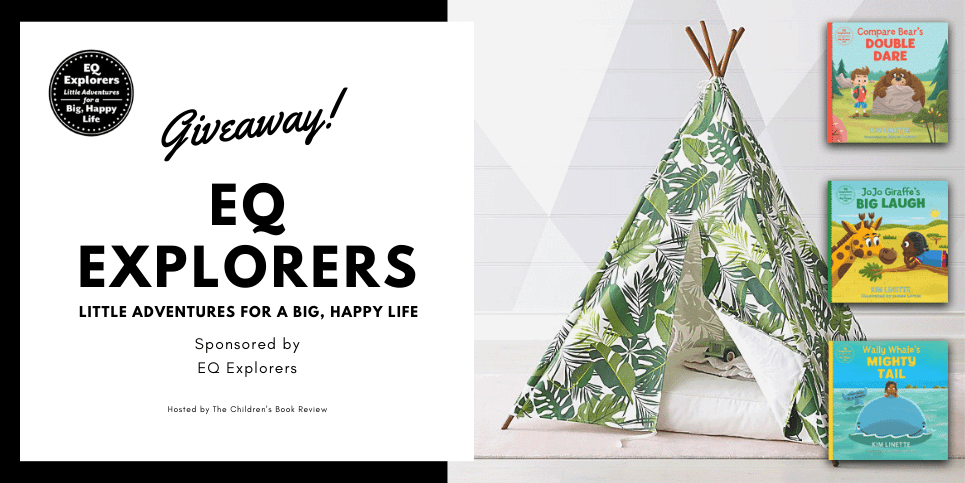
GIVEAWAY
Enter for a chance to win an EQ Explorers prize pack!
One (1) grand prize winner receives:
A copy of Jo Jo Giraffe’s Big Laugh autographed by Kim Linette.
A copy of Compare Bear’s Double Dare autographed by Kim Linette.
A copy of Wally Whale’s Mighty Tail autographed by Kim Linette.
A play fort perfect for reading and imagination play.
Two (2) winners receive:
A copy of Jo Jo Giraffe’s Big Laugh
A copy of Compare Bear’s Double Dare
A copy of Wally Whale’s Mighty Tail
Giveaway begins July 6, 2020, at 12:01 A.M. MT and ends August 6, 2020, at 11:59 P.M. MT.
If you enjoyed reading this post, please subscribe by clicking on the word Follow or by hitting the orange RSS FEED button in the upper right-hand corner of this page.
Many children feel pressure to “fit in with the crowd.” How can we encourage youngsters to think independently and take charge?
This series is dedicated to discussing how parents and teachers can develop and facilitate a sense of independence that will foster creativity, encourage self-esteem, develop empathy and create the leaders of tomorrow.
The first post discusses how to create an environment that encourages young people to assume leadership roles.
How to Create a Home Environment That Instills Leadership in Kids
As parents and caregivers, we often want to create an environment at home that will be conducive to instilling leadership. But how? Instilling leadership can take many forms, and of course your individual family dynamic comes into play. But generally speaking, here are some tips on how to create a home environment that fosters leadership in your children.
Have a Routine
You may think that having a routine is creating followers by telling them what to do and when to do it. But actually, having a routine encourages leadership, because it provides security and a model of order and predictability. A good leader is not fickle – he or she possesses self-control and is fairly predictable. So those who are followers are certain of where they’re going.
Routines also teach organization, another important leadership skill. Organizing time is crucial if your kids are going to grow up to inspire others to follow. Include your kids in the development of your schedule and calendar, and show them how time is organized and which tasks and activities are prioritized.
Clear Boundaries
Do not cross line child in sneakers standing next to a yellow line with restriction or safety warning
As leaders, your kids will need to be able to define and enforce boundaries. Having clear boundaries in your home helps make expectations clear and lets your kids know how far they can go before they cross over. They will learn how to be fair and firm when boundaries are crossed, especially if you take care to consider the situation before enacting consequences. Not all boundary violations are the same.
To be good leaders, kids need to learn when to be firm (such as when a boundary is blatantly ignored) and when to be lenient (such as when a boundary is crossed accidentally). Including your kids when you develop boundaries and consequences is another way to create a leader-building environment.
Appreciate
When your kids do a job well, let them know. Give them positive feedback so they will learn how to give it themselves when they grow up to be leaders. A good leader knows when to pat followers on the back and appreciate their efforts.
Chores
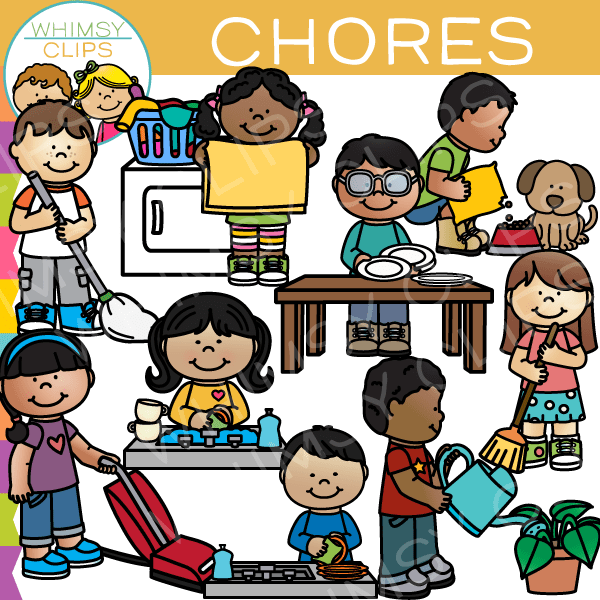
Yes, having chore lists is something that parents may dread, or they may have heard about it and just don’t think it will “fly” in their family. But chores are one of the first ways that kids learn to be a part of the family “team,” and being part of a team is an important way to learn leadership.
Chores can be delegated depending on age and ability, and you can certainly include your kids in making the chore list. To keep motivation, have rewards for chores that are done well and on time. In fact, chores can be a way to earn privileges – your chore list can have two columns, one for chores and one for the privileges each chore earns.
To Sum Up
There are all sorts of things you can do to build a home environment that fosters leadership. Don’t be afraid to be creative, and remember to include your kids and give them age-appropriate responsibilities.
If you enjoyed reading this post please subscribe by clicking on the word Follow or by hitting the orange RSS FEED button in the upper right-hand corner of this page.
In partnership with The Children’s Book Review and Acorn Publishing
SYNOPSIS
WHAT TO DO ABOUT YOUR MONSTERS
Created by Jessica Woo
Publisher’s Synopsis: Meet Kinzie. She has a bunch of fun-loving, slightly smelly, Monsters that live in her room. They never let her sleep at night. But that’s ok, her parents always help her out. Until one day they decide it’s time she learns to sleep on her own. What will Kinzie do about her Monsters?
What To Do About Your Monsters is a heartfelt story about a girl who has sleep issues. At its core, however, the story is not just about having problems sleeping, but about being afraid to try something new.
Jessica Woo is an author-illustrator and a mom of two wild things. Her debut children’s book, What To Do About Your Monsters, was inspired by her oldest child. Very quickly after Jessica became a mother, she found that while adults like to sleep, kids are way too busy to ever go to bed.
Other than convincing her little ones to sleep at night, Jessica’s talents include professional animation, art direction, and illustration. In Illustration, Jessica most recently worked on a concept art piece for Universal. In art direction, her recent project, Dinner Party, was accepted in the exclusive Sundance film festival. Finally, in animation, her work is featured in movies such as Kung Fu Panda, Monster vs Aliens, Shrek 4, Kung Fu Panda Holiday Special, Kung Fu Panda 2, The Croods, and Turbo.
An active member of SCBWI and 12 by 12, Jessica currently lives in Toluca Lake California with her family.
The main character of this book is a stage. I believe that the author is referring to the Middle English meaning of stage which is a dwelling or floor of a building. The red stage in this book is personified. At the beginning of the tale, he is situated on a rock where he spends his day fishing. When he becomes bored, the stage decides to try being a logger. Eventually, he becomes dissatisfied once more and decides to try the prairie and finally the frozen North. As the Red Stage travels across Canada, he realizes that satisfaction with one’s life comes from within.
The text and rhymes in this picture book are easy and fun to read. Illustrations are attractive and appealing to the eye. Recommended for preschool and primary grade readers.
If you enjoyed reading this post, please subscribe by clicking on the word Follow or by hitting the orange RSS FEED button in the upper right-hand corner of this page.
This book is part of a series that uses a series of Ninja characters to teach children about their world and how to become a valuable member of it.
Earth Ninja wants children to learn how to take responsibility for the earth. Lazy Ninja is careless about throwing away his trash, but one day he goes to the beach with friends. They notice a turtle struggling to get free from plastic trash. Earth Ninja explains how trash in the ocean endangers animals.
Earth Ninja teaches Lazy Ninja about the 3 R’s. We can reduce our carbon footprint, and fertilizer. By reusing paper and plastic, we conserve resources. Finally, we can recycle paper, plastics, and glass. Lazy Ninja is convinced to change his ways.
Nhin includes fasts to help children understand how necessary these steps are and that even one person can make a difference.
This series is highly recommended for preschool and elementary school students.
If you enjoyed reading this post, please subscribe by clicking on the word Follow or by hitting the orange RSS FEED button in the upper right-hand corner of this page.
You must be logged in to post a comment.