Empowering Kids to Explore the Past with Curiosity and Confidence
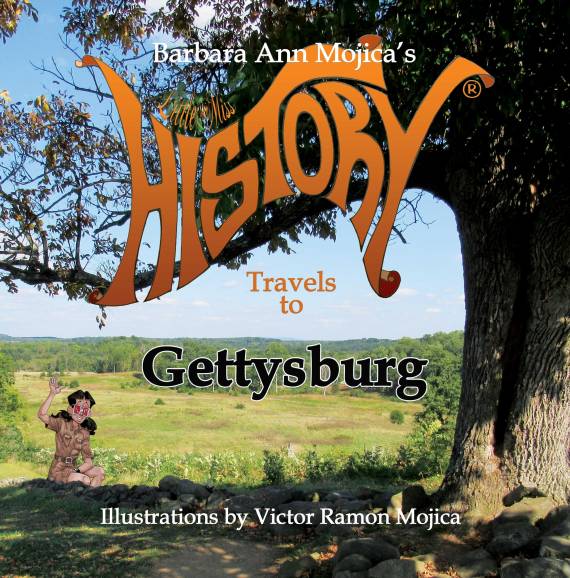
Step back in time to 1863 and explore one of the most important battles of the American Civil War. In Little Miss HISTORY Travels to Gettysburg, young readers will learn why the Battle of Gettysburg was a turning point, how Union and Confederate soldiers fought bravely, and why Abraham Lincoln’s Gettysburg Address still inspires us today.
This beautifully illustrated children’s nonfiction history book brings the past to life with fun facts, bold visuals, and thought-provoking questions. Perfect for elementary students, homeschool families, and classrooms, it helps kids ages 6–11 understand the sacrifices made for freedom and democracy while encouraging them to think about how history shapes their own future.
📖 Part of the award-winning Little Miss HISTORY series, this book is a perfect introduction to U.S. history for kids—blending education, adventure, and inspiration on every page.
Reviewed by Jennifer Senick for Readers’ Favorite
In Little Miss History Travels to Gettysburg by Barbara Ann Mojica, readers follow an eager young guide who loves the past and encourages kids to join her on an adventure to explore one of the most important small towns in American history. The book sets the stage for the importance of Gettysburg by first introducing the audience to life before the Civil War. It then explains in clear language why this crossroads town suddenly becomes so important. It discusses the battle there, what made it so costly, and how it changed the course of the war. Little Miss History also highlights key places, such as the Jennie Wade House, the train station, and the cemetery. This title is part story and part mini–field trip in one, inviting youngsters to step right into the past.
Little Miss History Travels to Gettysburg by Barbara Ann Mojica really struck a chord with me because I’ve actually been to Gettysburg and to many of the places mentioned. However, I loved learning something new as well, since I’d never heard of Jennie Wade before. From an educator’s perspective, I can see this working well to start discussions about ordinary citizens during wartime, the importance of remembering the past, and maybe even comparing the media types involved. I could also envision it being extended to include map activities, writing assignments about visiting historical locations, and research projects on people from the Civil War. The illustrations by Victor Ramon Mojica are a big part of the appeal. The drawing style reminded me of a comic book, which I found very interesting. I truly appreciated how the illustrated Little Miss History was placed into actual photos from sites. Fans of engaging nonfiction picture books, as well as kids who enjoy visiting museums and historic sites, will find this both informative and fun. I just enjoyed reading it for myself, too—it’s the kind of story that makes history feel more personal. I’d also love to read some of the author’s other titles.
SUBSCRIBE TO THIS BLOG FOR NEWS YOU CAN USE!


 Barbara Ann Mojica's BLOG