Posts from the ‘middle grades’ Category

#How To Foster Leadership Skills in Children – 6 #Personality Traits That Indicate Leadership Skills

Personality Characteristics of Effective Leaders

Whether you think that leaders are born or made, some characteristics that distinguish leaders from others stand out.

Have you wondered if you or someone you know is a natural leader? Are you interested in learning why they become leaders? Here are some personality characteristics that seem to go with effective leaders.

Task-Oriented
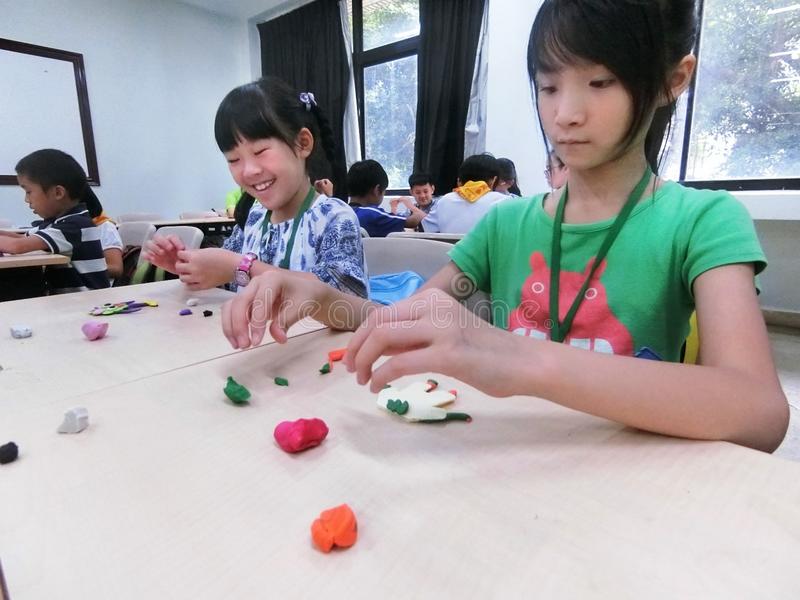
Are you the kind of person who likes to get things done? Do people come to you and ask you to do something for them and know you’ll do it? Not everyone is task-oriented, but those who are may end up being effective leaders. Being task-oriented means being a “doer,” the kind of person who focuses on getting something done and not stopping until the task is finished.

Task-oriented people generally follow through. This is important in a leader, because leaders have definite goals to reach and people to lead, and people will stop following you if you don’t get things finished.

Also, task-oriented leaders do not need “babysitting” to get something done. They can take initiative on their own – the task itself is motivation.

Honest Self-Image

Leaders tend to be pretty honest about their weaknesses and strengths, but not to the point of letting either one take over. For instance, a leader can balance between recognizing his weakness and not letting that stop him/her, and a leader can see his/her strengths without getting conceited. Those in leadership positions may find that they garner more respect when they are honest and “transparent” about their flaws than if they pretend to be perfect.

People Person

A leader tends to be a people person – someone who derives lots of energy from being around people. Such extroverted personalities make great leaders, but introverts are not barred from leadership, either. You can have a love for people and be introverted; you just respond differently to interacting with others.

In other words, you can be a “people person” even if you find yourself tired of leading at the end of a day. Extroverts and introverts can both be motivated by a love for people and their wellbeing.

“Infectious” Joy

Have you ever been around someone who just seems happy with life in general? If a person shares an idea or thought and seems really happy about it, do you feel like joining him or her? Leaders tend to exhibit this kind of infectious joy that draws other people to them. Positive-thinking leaders have a zest for life that compels other people to join them.

The general consensus is, characteristics of a good leader can be in-born or learned, or a bit of both. If you don’t have all of these traits naturally, you can learn many of them. No two leaders are the same.

If you enjoyed reading this post, please subscribe by clicking on the word Follow or by hitting the orange RSS FEED button in the upper right-hand corner of this page.

Visit my website http://www.LittleMissHISTORY.com to discover all my learning opportunities for #children #parents #authors and #teachers.

AND THE FUN CONTINUES…

The Big Book of Silly Jokes for Kids 2

Written by Carole P. Roman

Illustrated by Dylan Goldberger

This book is the sequel to the wildly successful Silly Jokes 1 and it follows a similar format. It includes silly questions, knock-knock jokes, tongue twisters, puns, riddles, one time and a write your own jokes section.

My favorite parts of this collection include the silly facts because I love getting the background or history behind the scene, and the write your own jokes section because it teaches children writing skills while they don’t even realize they are developing new methods of communication aptitude.

The charming illustrations add to the fun. Recommended for children of any age. Younger children can begin with the simpler jokes and progress to those with more difficult punch lines.  It is a good choice for siblings to share.

If you enjoyed reading this post, please subscribe by clicking on the word Follow or by hitting the orange RSS FEED button in the upper right-hand corner of this page.

Check out all my educational resources at http://www.LittleMiss HISTORY.com

#HOW TO FOSTER LEADERSHIP SKILLS IN CHILDREN #5 – SIGNS YOUR CHILD MAY BE A STRONG LEADER

Is your child a strong leader? Do you suspect that he or she might grow up to be an effective and proactive leader? Maybe you aren’t sure what to look for. Does it matter if you discover leadership abilities early? Actually, some sources say it does matter. Observing leadership qualities early means parents, teachers and caregivers can work to develop those talents so they do not fall by the wayside.

If you want to make sure you develop your child’s leadership qualities, here are some signs to watch for. Some of them may surprise you!

Talkative

Does it sometimes drive you crazy that your child talks so much? Actually, being talkative may be a sign of things to come. A chatty nature indicates a child with excellent verbal skills, which are necessary for good leaders. Did your child talk early and proficiently? This may be a sign that he or she will be a good leader.

Treats Others with Respect

If you notice that your child seems to end up in responsible positions – team captain or band director – and you know he didn’t get that position because of “muscling” his way to the top or bullying others, then this may be a sign of leadership ability. Notice if others seem to “gravitate” toward her and wish to emulate her. Observe whether or not this is due to respectful treatment. If it is, you may have a strong leader on your hands.

Sees Both Sides

Some kids display an ability to understand both sides of an issue. They tend to be peace keepers, helping two arguing kids or adults to see reason, for example.

In the Know

Does your child always know what’s going on? Is he or she always aware of the latest events at school or in the family? This is not the same as being a gossip (that’s not a good leadership quality), but it does mean that he or she is paying attention and interested in what’s going on with others.

Inquisitive

A good leader is not afraid to ask questions, but he/she is not afraid to go looking for answers on his own. Too much questioning may indicate self-doubt – your child is always trying to make sure about things. On the other hand, healthy questions that spring from a real desire to know more about something may be a sign of leadership ability.

If you enjoyed reading this post, please subscribe by clicking on the word Follow or by hitting the orange RSS FEED button in the upper right-hand corner of this page.

AN ADVENTURE FOR THE AGES

The Time Hunters and the Box of Eternity

Written by Carl Ashmore

Illustrated by Andrew Gaia

This is the second book in the series. Becky and Joe Mellon return home on school break to learn that nothing has changed at home. That home is as weird and unusual as ever. Saber-tooth tigers, a dodo, and a dinosaur share the home with the rest of the family. Things become more bizarre when an American named Bruce Westlake arrives. This time traveler has in his possession gold doubloons that contain magic powers.

In no time at all, Becky, and Joe, accompanied by their Uncle Percy and Will, find themselves time traveling to Victorian England, the 18th century Caribbean, and the city of Chicago in the 1920s. They will encounter gangsters, sharks and sea demons, and blood-thirsty pirates. What is their goal? Their quest is to find the elusive Pandora’s box.

This fantasy time-travel thriller will appeal to middle-grade, young adult, and adult audiences.

If you enjoyed reading this post, please subscribe by clicking on the word Follow or by hitting the orange RSS FEED button in the upper right-hand corner of this page.

How to Raise Children to Be Good Leaders – #4 in Leadership Skills Series

So you have tried to create a home environment conducive to instilling leadership skills for all your children, whether they be preschoolers or teens. It’s been said that leadership starts at home and directly linked to early training. Experts disagree about how much leadership is inborn and how much is learned. I believe that it’s a combination of learning plus a child’s innate abilities.

If you’d like to do what you can to raise your children to be good leaders, here are some tips that may help.

Teach Them to Think

Some argue that the school system, whether it be public or private, teaches kids what to think rather than how to think. Common core curriculum has placed uniform requirements and testing standards on schools across the United States. There are likely exceptions to this – special schools and special teachers – but it’s entirely possible that your kids are not being taught how to think. So whether you homeschool or enroll your children in a traditional school setting, you might try some of these exercises to encourage independent thinking.

  • Give them an age-appropriate reading task that expresses a particular point of view. An opinion piece in the newspaper is a good place to start. Ask what your child thinks about it, and have him or her write an age-appropriate response. Do the same thing with an article that expresses a contrary or different opinion.
  • Encourage them to read about topics and books that covers a range of opinions and views.
  • Ask them if they agree or disagree, and why.
  • Any time your child reads something, ask him (or her) what he thinks about it. Find out what information he drew from the reading rather than finding out if he picked up what she was “supposed to” from the reading. Let them know it’s okay to disagree with parents and teachers. Encourage them to discuss the reasons behind their disagreement.

Leaders tend to be independent thinkers, so these exercises may go a long way toward teaching your child to be a good leader.

Teach Organization

This may be something of a challenge for parents who aren’t that organized themselves! On the other hand, for those parents who are very organized, you might find that you tend to organize everything for your kids without teaching them to do it themselves. Parents need to discover a comfortable balance between the two.

Give them a calendar and show them how to keep track of their own activities. Chore lists are an excellent way to help them organize their time. Age-appropriate chores and activities, written down or drawn on a calendar, can help kids “see” their time and how they are using it, even if they are too young to tell time yet.

Ask for Arguments

Huh! Are you joking with me? Ask your kids to talk back to you?

The art of arguing respectfully is an important leadership quality. We’re not talking about angry arguments. Think in terms of negotiation and persuasion. Ask your child to tell you why he (she) wants a certain thing, or why he should be permitted to attend an event or participate in an activity. This helps your children learn how to analyze his thoughts and present reasons that produce an argument to justify why he should achieve this goal.

If you enjoyed reading this post, please subscribe by clicking on the word Follow or by hitting the orange RSS FEED button in the upper right-hand corner of this page.

A REELING REPUBLIC

Bodies in the Tiber: An Ancient Rome Political Thriller: The Sertorius Scrolls Book 3

Written by Vincent B. Davis II

Quintus Sertorius has just returned from five years of fighting for the Roman republic in the north. He is eager to return to Rome and pick up his life with a family that he is certain barely remembers him.

Davis has a fluid writing style. He bases his historical fiction on research, but he is adept at creating interesting and complex personal characters. It is the year 100 B.C. While Rome has been victorious, the republic has never been in greater danger. Sertorius has been writing a diary of sorts in his scrolls for the past year documenting history while also providing personal glimpses into his ambitions as well as his fears.

This is the third book in the series which begins seven years earlier when Sertorius loses his father and his rural village. In a struggle to survive and provide for his family, Sertorius leaves them and is thrust into the role of politician in a corrupt society.

The author uses his own military experience to enrich his story. An engaging and fascinating read for anyone interested in ancient history.

If you enjoyed reading this post, please subscribe by clicking on the word Follow or by hitting the orange RSS FEED button in the upper right-hand corner of this page.

AN EGYPTIAN ENIGMA

Mystery of the Egyptian Mummy: (Kid Zet Detective Book 4)

Written by Scott Peters

My first time reading a book in this series. Zet is a twelve-year-old boy living in the ancient Egyptian city of Thebes. He and his sister, Kat, run a pottery stall in the market to support their family. One night a mummy, guarded by a jackal, arrives at their home. Terrified, the siblings return to the market the next day to find that the whole town believes them to be cursed. Their business collapses. That makes them determined to solve the mystery.

What they discover is a much larger plot that will endanger the royal family and all of Egypt. As they artfully unravel clues to solve the mystery, readers learn a lot of information about ancient Egyptian history and culture.

Peters creates interesting characters and an engaging plot to keep middle-grade readers engrossed throughout the read. Educational and entertaining.

If you enjoyed reading this post, please subscribe by clicking on the word Follow or by hitting the orange RSS FEED button in the upper right-hand corner of this page.

#HOW TO FOSTER LEADERSHIP SKILLS IN CHILDREN – #2 – SET AN EXAMPLE

Parents and teachers want children to be independent thinkers. They encourage children to develop their own opinions and have the courage to stand up for them. Whether you are working with children who are yours or you’re a caretaker for someone else’s children, learning how to lead them effectively is important. You may want to lead your kids to practice a healthy lifestyle, develop better communication skills, or something else. In any case, good leadership is a way to reach your goals with the children in your care.

How do you become a good leader for kids? It can be hard to know if you’re not used to it, or if you didn’t have strong leaders when you were a child. Here are some tips.

Set an Example

You’ve probably heard “lead by example,” but that means more than just doing something and hoping your kids will notice and imitate your behavior. It also means being purposeful in setting an example, and you’ll need to stop practicing certain behaviors and pay attention to what you say.

For instance, if you want your children to be patient with others – an important leadership attribute – then take care that you’re patient with them. If you want your children to be able to make decisions like a leader, then make sure you’re not making all of their decisions for them. Don’t be a helicopter parent. Permit your children to make mistakes and learn from them. To lead by example, you need to think about more than just living out healthy, positive lifestyle choices (although that’s important, too). It’s also important to set an example of how to treat others.

Include Them

Whether you are a teacher or a parent, including the children in your care is important to instill leadership. How do you include them? First, let them help. In the classroom, this might be a simple task like collecting papers and passing out papers. Students might be allowed to write an assignment on the board for the teacher. At home, let your children be a part of your daily routines, helping you wash the car and clean the house. After all, these are life skills, and those are the building blocks for good leadership.

Delegate

Good leaders know how to delegate responsibilities and tasks. In your home or classroom, give kids many different responsibilities. You can set things up so that the children in your care have a job to complete, and they have to delegate tasks to others to finish it. A different approach could be to simply explain the task, and give a job to each child to get it done. They will see the value of delegating. Perhaps, you might may explain that many jobs cannot be completed by one person without help from others. Each child participating will still have the satisfaction of helping to get something done.

Allow Them to Help Others

Wherever you can, let your kids help each other without being bossy or bullying. In fact, being bossy is not a good leadership skill. This is important to emphasize when you are working with children in different age groups. Teach them how to help others in an appropriate way, and then set up a scenario where that help can happen. When older siblings learn how to mentor rather than supervise a younger sibling, they learn how to transfer this skill from the family to the outside world. This method works in the classroom or at home with friends and/or siblings.

To Sum Up

Children are like sponges. They soak up what they see and hear in the world around them. Adults are their first role models. Parents, teachers, and caretakers set the example for the youth who will become tomorrow’s future. We will reap what we sow.

If you enjoyed reading this post, please subscribe by clicking on the word Follow or by hitting the orange RSS FEED button in the upper right-hand corner of this page.

Follow the award-winning Little Miss HISTORY nonfiction book series for children at http://www.LittleMissHISTORY.com

#ANewWayofLife

Magic: The Molly Marsh Book Series: Book 1

Written by V. K. May

I would describe this book as a short story that could easily be developed into a full-length novel.

Molly Marsh is a curious ten-year-old whose parents are off on a scientific expedition to New Guinea. Her trepidation begins with a bumpy plane ride. Molly is enchanted when a beautiful blue butterfly alights on her.
When the family arrives at their new home, Molly meets Yosia, who will be working for them in their new jungle home. She is intrigued by him. At first his strange habits scare her. Then she learns about his magical talents.

These two characters are interesting and could be developed in a fuller narrative. I consider the adventure book a short, chapter book. It is well-written with challenging vocabulary that is most appropriate for nine to twelve-year-old readers.

If you enjoyed reading this post, please subscribe by clicking on the word Follow or by hitting the orange RSS FEED button in the upper right-hand corner of this page.

#HOW TO FOSTER LEADERSHIP SKILLS IN CHILDREN

Many children feel pressure to “fit in with the crowd.” How can we encourage youngsters to think independently and take charge?

This series is dedicated to discussing how parents and teachers can develop and facilitate a sense of independence that will foster creativity, encourage self-esteem, develop empathy and create the leaders of tomorrow.

The first post discusses how to create an environment that encourages young people to assume leadership roles.

How to Create a Home Environment That Instills Leadership in Kids

As parents and caregivers, we often want to create an environment at home that will be conducive to instilling leadership. But how? Instilling leadership can take many forms, and of course your individual family dynamic comes into play. But generally speaking, here are some tips on how to create a home environment that fosters leadership in your children.

Have a Routine

You may think that having a routine is creating followers by telling them what to do and when to do it. But actually, having a routine encourages leadership, because it provides security and a model of order and predictability. A good leader is not fickle – he or she possesses self-control and is fairly predictable. So those who are followers are certain of where they’re going.

Routines also teach organization, another important leadership skill. Organizing time is crucial if your kids are going to grow up to inspire others to follow. Include your kids in the development of your schedule and calendar, and show them how time is organized and which tasks and activities are prioritized.

Clear Boundaries

Do not cross line child in sneakers standing next to a yellow line with restriction or safety warning

As leaders, your kids will need to be able to define and enforce boundaries. Having clear boundaries in your home helps make expectations clear and lets your kids know how far they can go before they cross over. They will learn how to be fair and firm when boundaries are crossed, especially if you take care to consider the situation before enacting consequences. Not all boundary violations are the same.

To be good leaders, kids need to learn when to be firm (such as when a boundary is blatantly ignored) and when to be lenient (such as when a boundary is crossed accidentally). Including your kids when you develop boundaries and consequences is another way to create a leader-building environment.

Appreciate

When your kids do a job well, let them know. Give them positive feedback so they will learn how to give it themselves when they grow up to be leaders. A good leader knows when to pat followers on the back and appreciate their efforts.

Chores

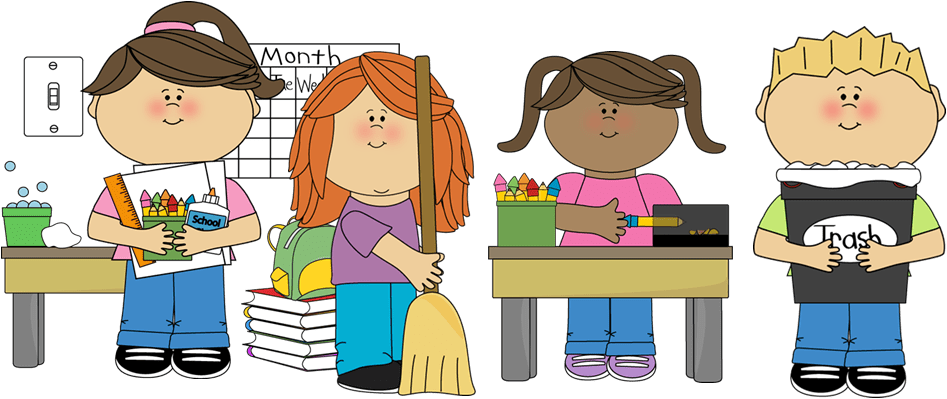
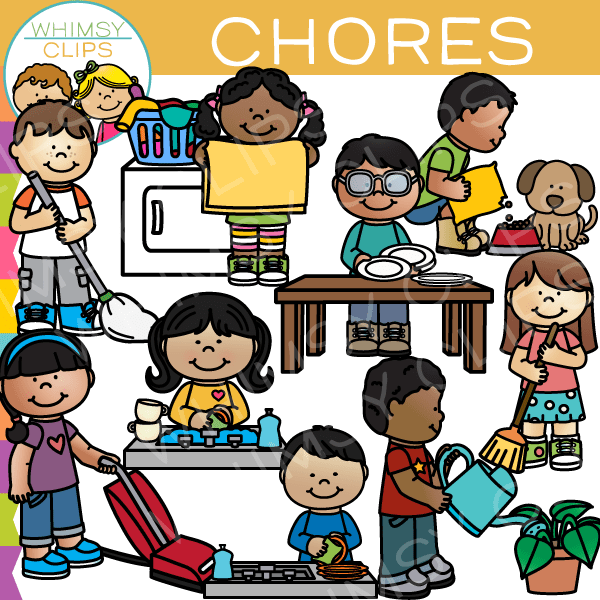
Yes, having chore lists is something that parents may dread, or they may have heard about it and just don’t think it will “fly” in their family. But chores are one of the first ways that kids learn to be a part of the family “team,” and being part of a team is an important way to learn leadership.

Chores can be delegated depending on age and ability, and you can certainly include your kids in making the chore list. To keep motivation, have rewards for chores that are done well and on time. In fact, chores can be a way to earn privileges – your chore list can have two columns, one for chores and one for the privileges each chore earns.

To Sum Up

There are all sorts of things you can do to build a home environment that fosters leadership. Don’t be afraid to be creative, and remember to include your kids and give them age-appropriate responsibilities.

If you enjoyed reading this post please subscribe by clicking on the word Follow or by hitting the orange RSS FEED button in the upper right-hand corner of this page.

Follow the award-winning Little Miss HISTORY nonfiction book series for children at http://www.LittleMissHISTORY.com